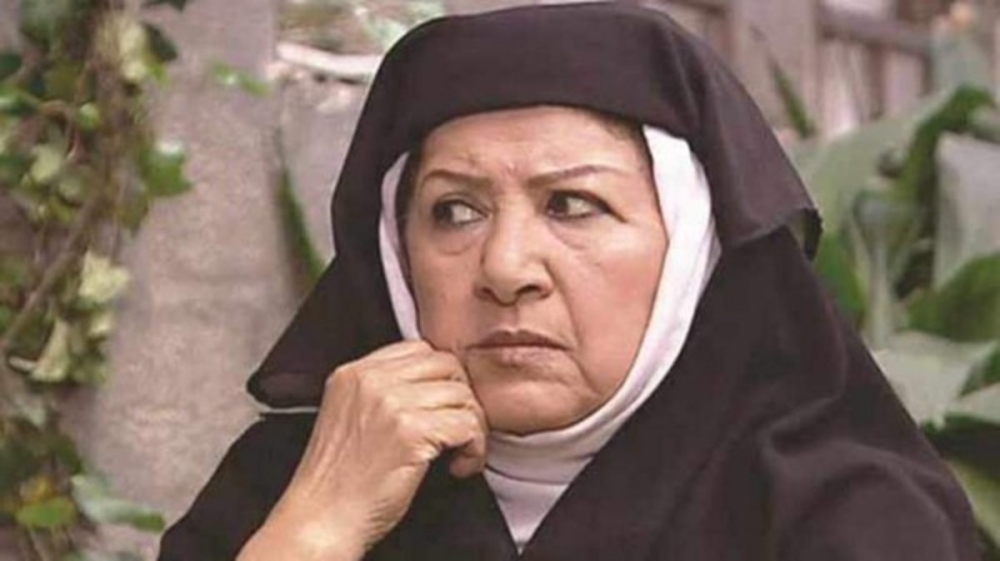
في حادثة مأساوية هزت الأوساط الفنية والثقافية في سوريا والعالم العربي، رحلت عن عالمنا الفنانة القديرة هدى شعراوي عن عمر يناهز 87 عامًا. وقد عُثر عليها مقتولة داخل منزلها في العاصمة دمشق، لتُسدل الستار على مسيرة فنية استثنائية امتدت لعقود، تركت خلالها بصمة لا تُمحى في تاريخ الدراما السورية.
تفاصيل الحادثة والتحقيقات الأولية
بحسب المعلومات الأولية التي تناقلتها وسائل الإعلام نقلاً عن مصادر مقربة، فإن السلطات المختصة باشرت تحقيقاتها فور تلقي البلاغ. وتشير الدلائل الأولية إلى الاشتباه بتورط عاملة منزلية كانت تعمل لدى الفنانة الراحلة في ارتكاب الجريمة، حيث يُعتقد أنها لاذت بالفرار بعد الحادث. وتواصل الجهات الأمنية تحرياتها المكثفة لجمع الأدلة وتحديد كافة ملابسات الواقعة، بهدف كشف الحقيقة الكاملة وتقديم الجاني إلى العدالة في أسرع وقت ممكن.
خلفية تاريخية ومسيرة فنية رائدة
تُعد هدى شعراوي واحدة من رائدات الفن في سوريا، حيث بدأت مسيرتها الفنية في ستينيات القرن الماضي. انطلقت من الإذاعة السورية التي كانت بوابتها الأولى نحو عالم الشهرة، قبل أن تنتقل بسلاسة إلى المسرح والتلفزيون. تميزت بقدرتها على أداء أدوار متنوعة، لكنها برعت بشكل خاص في تجسيد شخصيات المرأة الشامية التقليدية، بلهجتها الأصيلة وحكمتها الشعبية، مما جعلها أيقونة لأعمال البيئة الشامية التي اكتسبت شعبية جارفة في العالم العربي.
أهمية دور “أم زكي” وتأثيره الإقليمي
لا يمكن الحديث عن هدى شعراوي دون ذكر دورها الأيقوني في مسلسل “باب الحارة”، حيث جسدت شخصية “الداية أم زكي”. لم تكن هذه الشخصية مجرد دور عابر، بل تحولت إلى جزء من الذاكرة الجماعية للمشاهد العربي. كانت “أم زكي” بملامحها الطيبة وحضورها القوي، رمزًا للمرأة الدمشقية الأصيلة، وذاكرة الحارة التي تحفظ أسرارها وتشارك أهلها أفراحهم وأحزانهم. هذا الدور رسخ نجوميتها على مستوى إقليمي واسع، وجعلها وجهًا مألوفًا ومحبوبًا في كل بيت عربي من المحيط إلى الخليج.
إرث فني وتأثير مستمر
لم تقتصر مسيرة شعراوي على “باب الحارة”، بل شملت عشرات الأعمال الهامة التي أثرت الدراما السورية، من بينها “أيام شامية”، “ليالي الصالحية”، “عيلة 7 نجوم”، و”قلة ذوق وكترة غلبة”. تميز أداؤها بالعمق والهدوء، وقدرتها على إضفاء مصداقية وواقعية على الشخصيات التي تلعبها. برحيلها، تفقد الساحة الفنية السورية قامة كبيرة وفنانة أصيلة، لكن إرثها الفني سيظل حيًا في قلوب محبيها، وشاهدًا على موهبة فريدة ساهمت في تشكيل وجدان أجيال من المشاهدين.