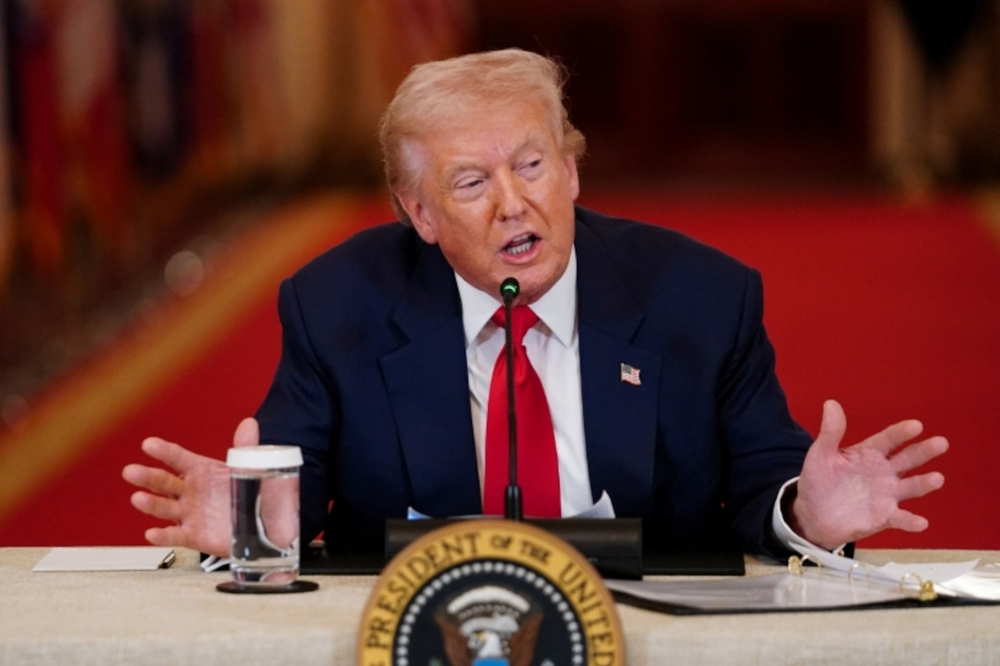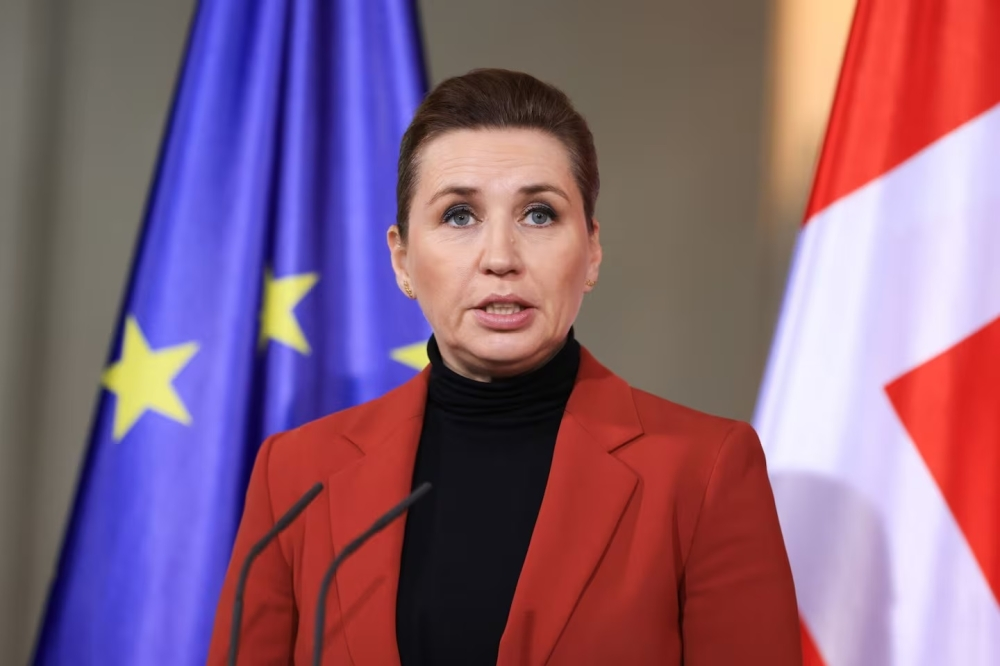
Danish Prime Minister Mette Frederiksen asserted that Greenland, a self-governing territory within the Kingdom of Denmark, faces a pivotal historical moment amid renewed efforts by the United States, under President Donald Trump, to annex the Arctic island. Frederiksen's remarks underscored the depth of the diplomatic crisis, which could extend beyond a mere international real estate deal to threaten long-standing Western alliances.
“We are facing a real and ongoing conflict over Greenland,” Frederiksen said during a heated debate with Danish party leaders. “This is a pivotal moment that goes beyond appearances and touches the very core of national sovereignty.” In a message to the public via social media, she added, “Denmark is a loyal and steadfast ally, and we are currently undertaking a large-scale rearmament to strengthen our defense capabilities. We are prepared to defend our values and sovereignty wherever necessary, including in the vital Arctic region.”.
Strategic importance and latent wealth
To understand Trump’s insistence on this move, one must look beyond the geographical area. Greenland is a strategically vital location for US national security, especially with the presence of Thule Air Base in the north of the island, a cornerstone of the missile early warning system. Furthermore, with the melting of Arctic ice, the island is emerging as a potential hub for new shipping routes and a vast store of untapped natural resources, including rare earth minerals essential for modern technology industries. This explains US concern about Chinese and Russian expansion in the region.
Historical background: This is not the first attempt
It is worth noting that the United States' interest in Greenland is not a recent development, nor is it limited to the Trump era. In 1946, US President Harry Truman offered Denmark $100 million in gold to purchase the island, given its geopolitical importance during the Cold War, but the offer was rejected. The United States had also previously purchased the Danish West Indies (now the US Virgin Islands) in 1917, demonstrating that the idea of acquisition remains present in the American strategic mindset, even though international circumstances are more complex today.
The future of NATO is at stake
Frederiksen warned that any hostile escalation by the United States against a NATO member could mean “the end of everything,” referring to the collapse of the collective security system established after the end of World War II. This comes as Trump suggested in an interview with The New York Times that he might have to choose between preserving NATO unity or taking control of Danish territory, placing the Western alliance before an unprecedented existential test.
categorical popular rejection
On a popular level, American ambitions face widespread rejection from the island's indigenous population. According to a recent poll published by the local newspaper Sermitsiaq in January 2025, 85% of Greenlanders expressed their firm opposition to joining the United States, clinging to their identity and right to self-determination, while only 6% supported such a move. This strengthens the Danish government's position in defending its territorial integrity.