Danish Prime Minister Mette Frederiksen has announced that the country's general election will be held on March 24, 2026. This announcement comes at a politically sensitive time, as Denmark faces escalating security challenges in Europe, as well as unprecedented diplomatic tensions with its long-standing ally, the United States, putting the future of her coalition government in jeopardy.
Political background and constitutional context
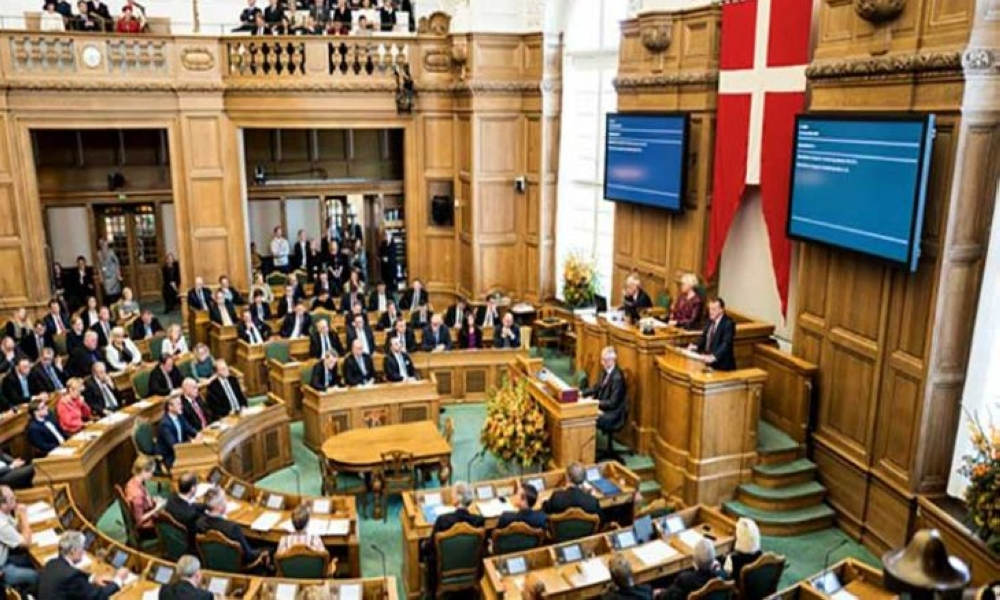
In her address to the Danish Parliament, the Folketing, Frederiksen confirmed that she had formally requested the King to call for elections, noting that her continued tenure depended directly on regaining the voters' trust. According to the Danish Constitution, general elections must be held at least once every four years. The Constitution also grants the Prime Minister the power to call early elections at any time before the end of the official term.
This call comes at a time when Frederiksen, the leader of the Social Democratic Party, is leading a coalition government that is seeking to strike a balance between traditional social welfare policies and the new security demands imposed by geopolitical changes on the European continent.
European security and relations with Washington
In her election platform, Frederiksen emphasized that security policy would be a top priority for her next government. She stressed the need for Denmark to continue strengthening its defense capabilities as an active member of NATO and to contribute effectively to protecting Europe from external threats, a clear reference to the challenges posed by Russia. She affirmed that Denmark needs to become more self-reliant and to reassess and redefine its relationship with the United States to adapt to the new international reality.
The Greenland crisis and its strategic impact
The current tension in relations between Copenhagen and Washington dates back to the presidency of Donald Trump, whose administration expressed a desire to purchase Greenland, a move categorically rejected by Denmark as "absurd." Greenland, which enjoys broad self-governance within the Kingdom of Denmark, is gaining increasing strategic importance for major world powers.
Its unique geographic location in the Arctic, its vast natural resources that are becoming increasingly exploitable as the ice melts, and its status as the site of the vital US Thule Air Base for early warning systems, all make it a focal point in the international competition between the United States, Russia, and China. Therefore, the ongoing discussions between Denmark, Greenland, and the United States regarding the island's future will be a key issue shaping Denmark's foreign policy in the coming years.
Thus, Danish voters enter this election facing crucial choices that not only relate to domestic policies, but also extend to determining their country's role and position in a changing and turbulent global system.