In a significant development amid the rapidly unfolding events in Caracas, Delcy Rodríguez, appointed by the Supreme Court as Venezuela's interim president, called on US President Donald Trump to establish a new relationship characterized by balance and mutual respect. This appeal comes at a critical juncture in the country's history following the US military operation that led to the arrest of President Nicolás Maduro, placing the future of relations between the two nations in jeopardy.
A call for dialogue and sovereignty
In her first official statement via Telegram, Rodríguez affirmed that her administration's top priority is pursuing international relations based on sovereign equality and non-interference in internal affairs. "One of our priorities is to strive for a balanced and respectful international relationship between the United States and Venezuela, as well as between Venezuela and other countries in the region," Rodríguez stated. Addressing the US administration, she added, "Our people and our region deserve peace and dialogue, not war. This has always been President Nicolás Maduro's message, and it is now the message of all of Venezuela," calling for a cooperative agenda focused on shared development within the framework of international law.
Details of the military operation and American threats
These developments followed a large-scale US military operation on Saturday that resulted in the arrest of Nicolás Maduro, 63, and his wife, Cilia Flores. The operation was preceded by months of tension and mutual accusations, as Washington intensified its military presence near Venezuelan territorial waters under the pretext of combating drug trafficking.
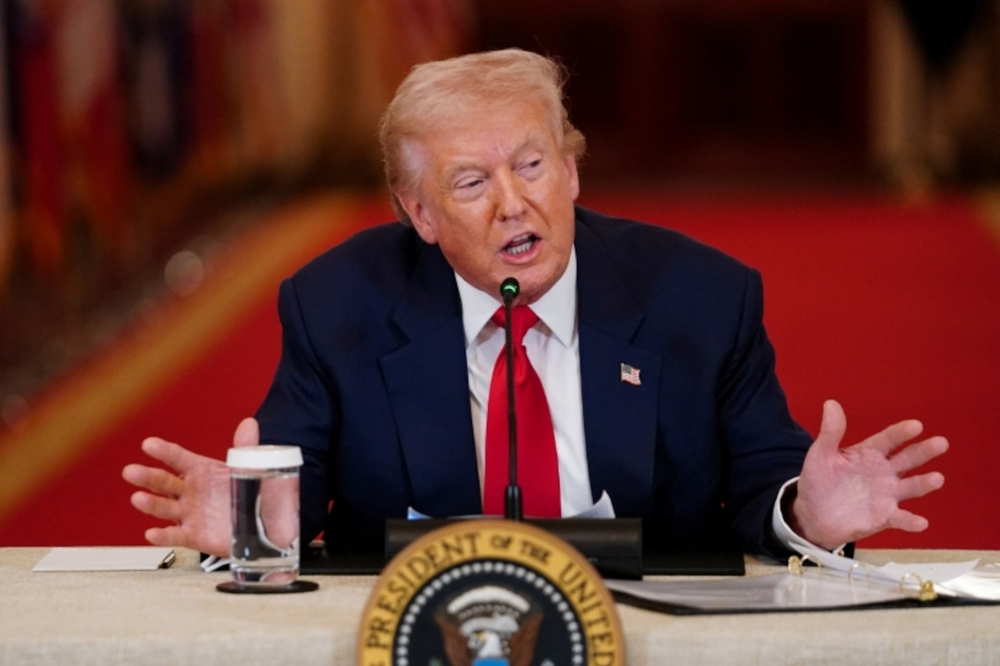
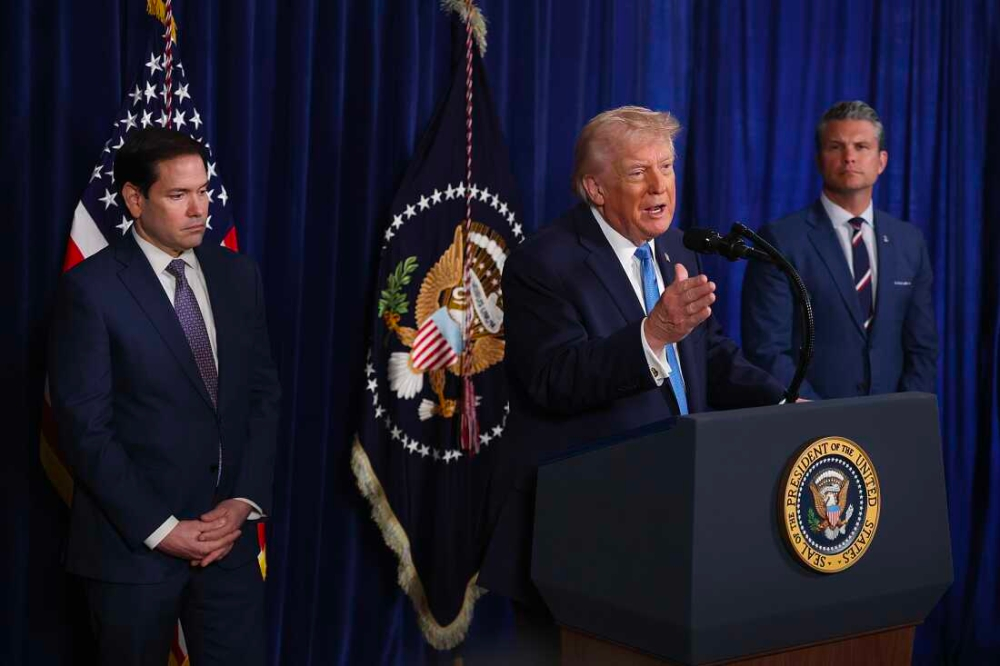
In response, the US retorted swiftly, with President Donald Trump warning the new Venezuelan leadership in an interview with The Atlantic magazine against non-cooperation. Trump stated sternly, "Unless you do the right thing, you will pay a very heavy price, perhaps even more than Maduro." These remarks coincided with hints from US officials, including Secretary of State Marco Rubio, about the possibility of cooperating with remnants of the Maduro administration, provided that US companies are allowed access to Venezuela's vast oil reserves.
Historical context and economic dimensions
To understand the depth of the current crisis, it is essential to consider the historical context of the strained relations between Washington and Caracas, which deteriorated sharply during the era of the late President Hugo Chávez and continued under Maduro. The United States has long viewed socialist governments in Venezuela as a threat to its interests in the Western Hemisphere and has imposed a series of harsh economic sanctions that have severely impacted the Venezuelan economy.
Economically, Venezuelan oil is a central element in this conflict, as Venezuela possesses the world's largest proven oil reserves. Observers believe that the US condition of "correct steps" and the return of American companies to invest in the energy sector reflects the strategic importance Washington attaches to Venezuela's energy resources, suggesting that the next phase could witness a redrawing of the region's energy map depending on how the interim leadership responds to US demands.