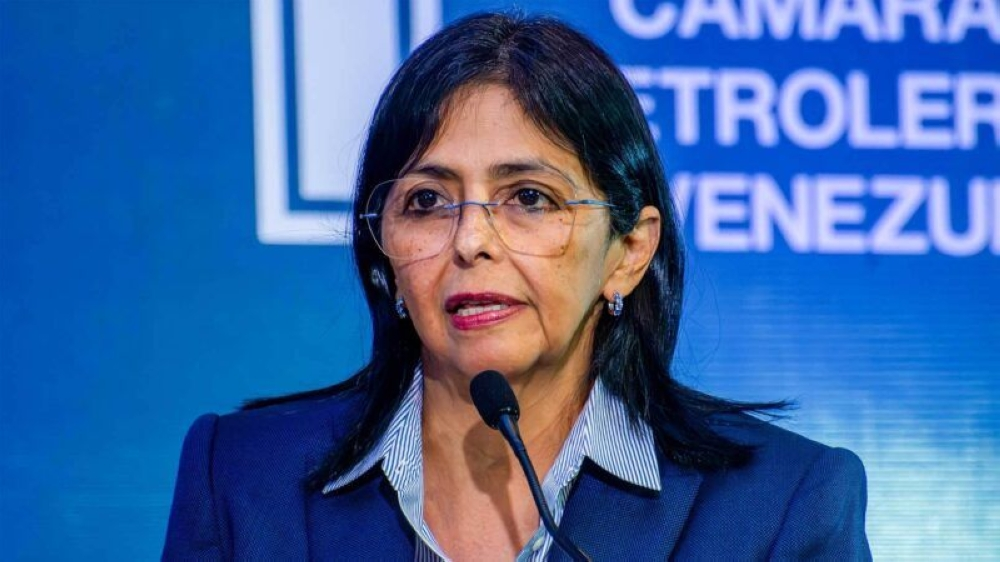
في تطور دراماتيكي للأحداث التي تعصف بالمشهد السياسي في أمريكا اللاتينية، أعلنت الرئيسة الفنزويلية بالوكالة ديلسي رودريجيز، يوم الثلاثاء، دخول البلاد في حالة حداد وطني تستمر لمدة أسبوع كامل. يأتي هذا الإعلان في أعقاب العملية العسكرية الأمريكية الخاطفة التي استهدفت العاصمة كاراكاس، وأسفرت عن اعتقال الرئيس نيكولاس مادورو ونقله فوراً إلى الولايات المتحدة الأمريكية، في حدث وصفته السلطات الفنزويلية بالاعتداء السافر على السيادة الوطنية.
وفي كلمة متلفزة بثها التليفزيون الرسمي الفنزويلي واتسمت بنبرة الحزن والتحدي، قالت رودريجيز: "قررت إعلان 7 أيام حداداً، تكريماً لأرواح الشباب والنساء والرجال الذين ضحوا بحياتهم دفاعاً عن فنزويلا وعن الرئيس نيكولاس مادورو". وأكدت الرئيسة بالوكالة أن الأعلام ستنكس في جميع المباني العامة، مشددة على أن "دماء الشهداء" ستكون دافعاً للصمود في وجه ما وصفته بالإمبريالية.
حصيلة دامية وخسائر مشتركة
وعلى صعيد الخسائر البشرية، كشفت البيانات الرسمية الصادرة عن حكومتي فنزويلا وكوبا عن مقتل 55 فرداً من القوات العسكرية للبلدين، مما يشير إلى انخراط وحدات كوبية في الدفاع عن القصر الرئاسي أثناء الهجوم. ومن جانبه، تحدث المدعي العام الفنزويلي، طارق وليام صعب، عن سقوط عشرات القتلى في صفوف المدنيين والعسكريين على حد سواء، واصفاً الهجوم بـ "المجزرة". ورغم غياب إحصائية نهائية ودقيقة للضحايا المدنيين، إلا أن مصادر طبية ومحلية قدرت أعدادهم بما يتراوح بين 70 و80 قتيلاً، سقطوا جراء الاشتباكات العنيفة التي رافقت عملية الإنزال والاعتقال.
خلفيات الصراع والتأثيرات الجيوسياسية
لا يمكن فصل هذا الحدث الجلل عن سياق التوتر التاريخي الطويل بين واشنطن وكاراكاس. فمنذ سنوات، تفرض الولايات المتحدة عقوبات اقتصادية خانقة على فنزويلا، وكانت وزارة العدل الأمريكية قد وجهت سابقاً اتهامات رسمية لنيكولاس مادورو ومسؤولين آخرين بالتورط في "إرهاب المخدرات"، راصدة مكافآت مالية ضخمة لمن يدلي بمعلومات تؤدي للقبض عليهم. يمثل هذا الهجوم ذروة سياسة "الضغوط القصوى" التي مارستها الإدارات الأمريكية المتعاقبة، وينقل الصراع من المربع الاقتصادي والدبلوماسي إلى المواجهة العسكرية المباشرة.
ويرى مراقبون أن اعتقال مادورو وتنصيب ديلسي رودريجيز رئيسة بالوكالة سيفتح الباب أمام مرحلة من المجهول في فنزويلا. فمن ناحية، قد يؤدي هذا الفراغ في السلطة الشرعية (من وجهة نظر الحزب الحاكم) إلى اضطرابات داخلية واسعة، ومن ناحية أخرى، قد يشعل فتيل أزمة إقليمية، خاصة مع تورط قوات كوبية في الأحداث وسقوط ضحايا منهم، مما قد يستدعي ردود فعل دولية متباينة بين مؤيد للخطوة الأمريكية ومعارض لها باعتبارها خرقاً للقانون الدولي.