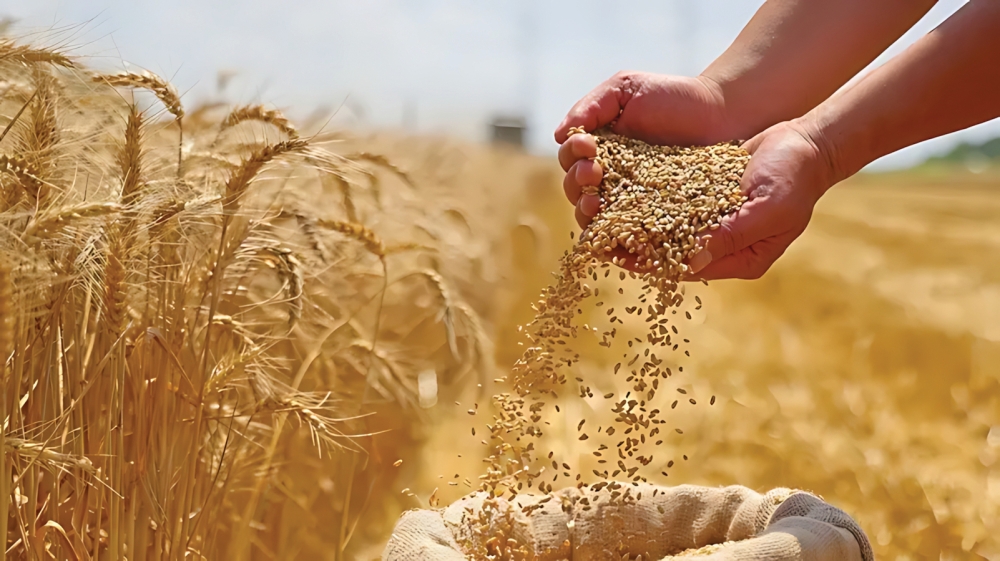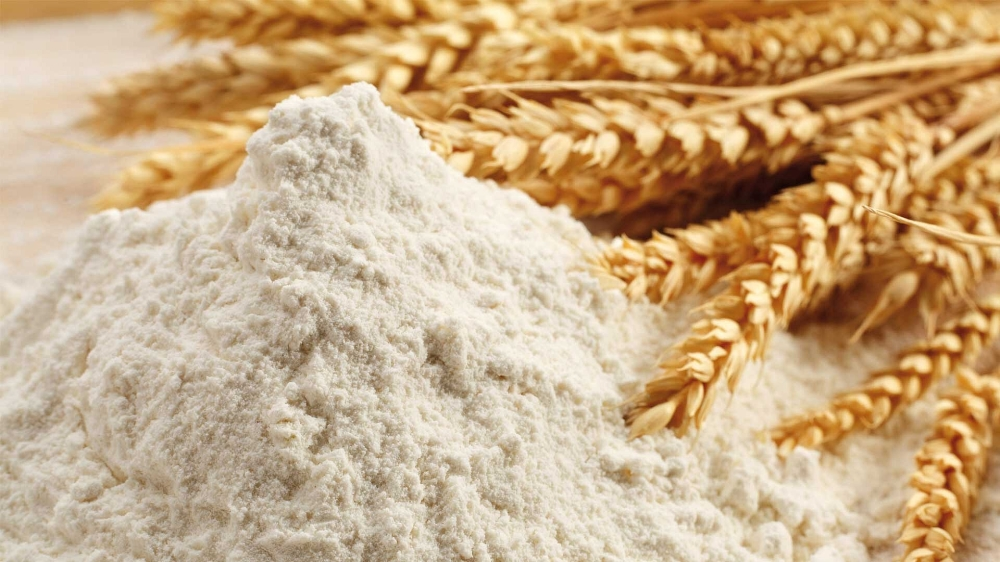
The latest data released by the General Authority for Statistics reveals positive developments for consumers, with a notable decline in rice and flour prices in Saudi Arabia during February 2026. This decrease is part of a series of changes affecting a range of basic food commodities in local markets, reflecting market dynamism and its sensitivity to various economic factors. These price reductions included different types of rice, as well as locally produced flour and pasta, while bread prices remained stable, sending a reassuring message to citizens and residents.
Economic context and the impact of global supply chains
To understand the reasons for this decline, it is necessary to consider the broader context and historical background of food security management in the Kingdom. Historically, local food markets have always been affected by global fluctuations in supply chains and shipping costs. However, thanks to the proactive strategies adopted by the Saudi government within Vision 2030, strategic reserves of essential commodities have been strengthened. These steps have significantly contributed to absorbing global economic shocks, leading to price stability and even price reductions at certain times. Diversifying import sources and supporting domestic grain production have helped create a competitive environment that benefits the end consumer and ensures an ample supply.
Details of the decline in rice and basic commodity prices
According to the February commodity price averages bulletin, the price of Indian white basmati rice (Al-Muhaidib brand) per 10 kg bag decreased by 2.1%, reaching SAR 93.7 compared to approximately SAR 95.7 in January. Similarly, the price of Indian Mazza rice (Abu Kass brand) per 10 kg bag fell by 2.6%, registering SAR 78.4 in February compared to SAR 80.6 in January. These varying decreases reflect ample supply and streamlined customs and logistical procedures that ensure the smooth flow of goods to the markets.
Bread stability and changes in local flour
Regarding bakeries and mills, prices of all types of locally produced flour decreased during February. The price of local brown wheat flour (from grain silos) per 1 kg bag saw a slight decrease of 0.3%, settling at SAR 3.1. Similarly, local white flour (from grain silos) per 2 kg bag recorded a 1.7% decrease, reaching SAR 4.6 compared to SAR 4.7 in January. Meanwhile, the price of white flatbread (4 loaves) remained completely stable at SAR 1.1, with no monthly change. This stability is attributed to ongoing government subsidies aimed at ensuring that this essential commodity remains affordable for everyone.
Barley, corn and pasta price movements
In contrast, some other grains saw slight increases. The price of imported barley (50 kg bag) rose by 0.5% to SAR 67.9. Sorghum (white) (40 kg bag) also increased by 2% to SAR 137.7, and millet (40 kg bag) rose by 2% to SAR 121.6. As for other commodities, the price of oatmeal soup (500 g) decreased by 0.6% to SAR 9.7, Perfetto noodles (250 g) remained stable at SAR 6, while local Perfetto pasta (500 g) decreased by 0.5% to SAR 6.0.
The impact of lower rice and flour prices in Saudi Arabia on the consumer
The significance of this event and its anticipated impact are evident on several levels. Locally, the decline in rice and flour prices in Saudi Arabia will alleviate the financial burden on families, boosting consumer purchasing power and redirecting spending towards other economic sectors, thus supporting domestic economic growth. Regionally and internationally, this decline reflects the success of the Saudi model in managing inflationary crises that plague many countries worldwide. The Kingdom's ability to maintain low inflation rates and provide goods at competitive prices reinforces its position as a stable economic power in the region and underscores the effectiveness of its monetary and fiscal policies in ensuring sustainable food security and social welfare.