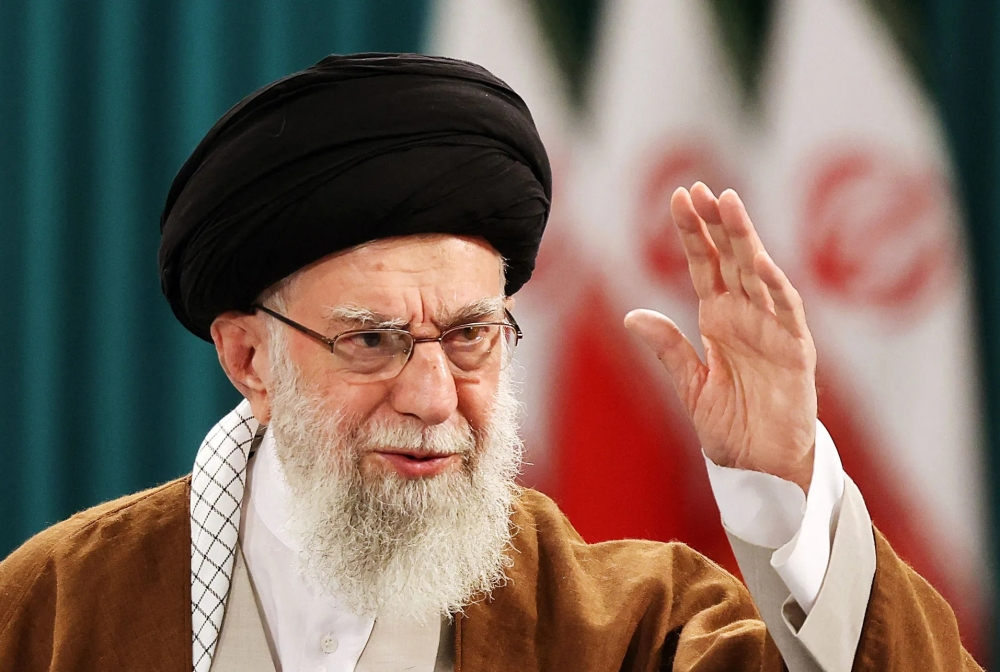
Iranian state media announced on Monday the death of Khamenei's widow , Mansoureh Khojasteh Bagherzadeh, at the age of 79, from severe injuries sustained in the attack on her residence in Tehran. This announcement comes two days after reports confirmed the death of her husband, Supreme Leader Ali Khamenei, in joint US-Israeli airstrikes on Saturday, placing Iran at a highly complex historical and political juncture.
Details of the attack and military escalation in Tehran
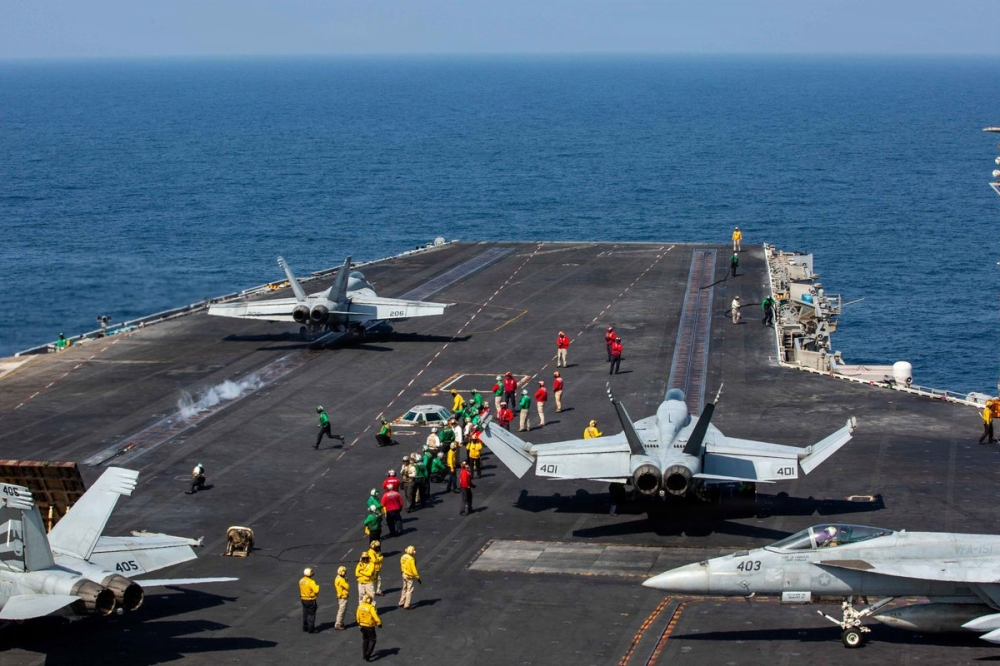
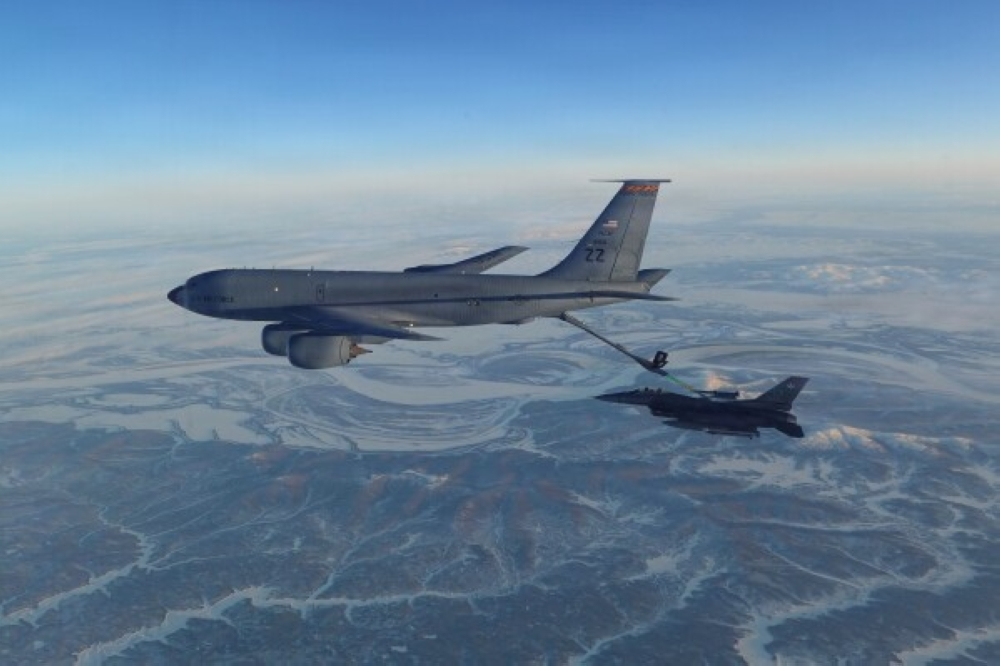
The Tasnim news agency and other sources reported that the deceased had been in a coma since the moment she was injured in the intense airstrikes that targeted the command headquarters and emergency services centers in the Iranian capital. This attack represents an unprecedented escalation in the rules of engagement between Tehran, Washington, and Tel Aviv, as the confrontation has shifted from proxy wars and cyberattacks to a direct targeting of the political and religious leadership of the Islamic Republic. This escalation comes amidst rising regional tensions, with the region witnessing military buildups and exchanges of threats. However, the strikes reaching this level represent a fundamental shift in the balance of power in the Middle East.
Who is Mansoura Khojasteh Bagherzadeh?
To understand the magnitude of this symbolic loss, one must consider the life of Mansoureh Khojasteh Bagherzadeh. Born in 1947 into a prominent merchant family in Mashhad, she married Ali Khamenei in 1964. For decades, she remained out of the public eye, preferring to be a behind-the-scenes supporter of her husband during the years of struggle against the Shah, his presidency, and later his tenure as Supreme Leader. She was the mother of six children, most notably Mojtaba Khamenei, whose name is frequently mentioned in political circles as one of the influential figures within the Supreme Leader's inner circle. Her passing at this sensitive time adds a tragic human dimension to the family, which lost its matriarch just days ago.
The repercussions of Khamenei's widow's death and the political vacuum
The news of Khamenei's widow's death is inextricably linked to the political earthquake triggered by the Supreme Leader's own assassination, according to the official narrative. Domestically, Iran faces a dual challenge: organizing a funeral befitting the deceased amidst deteriorating security conditions, while simultaneously needing to urgently resolve the issue of succession through the Assembly of Experts. Regionally, this event raises significant questions about the future of Iranian influence in the region and the fate of the factions allied with Tehran in the absence of the pivotal figure who held the reins of power for many years. Observers believe this sudden vacuum could lead to internal conflicts between conservative and reformist factions, or even within the military establishment represented by the Revolutionary Guard, potentially destabilizing the entire region.