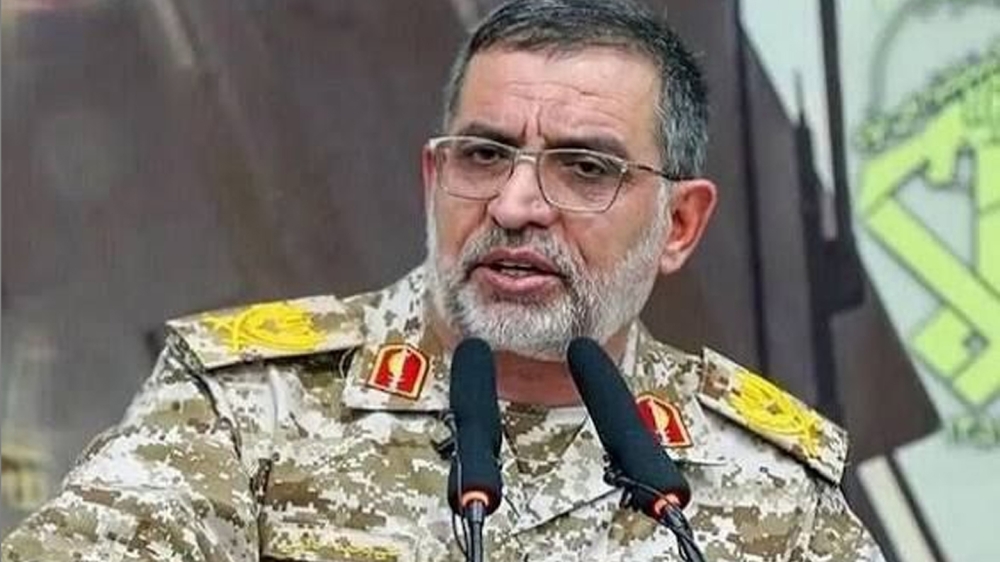
Iran’s Revolutionary Guard announced on Friday the death of its spokesman, Ali Mohammad Naeini , following a series of intense airstrikes by US and Israeli forces. The announcement sent shockwaves through political and military circles, coming amid unprecedented escalation of tensions in the Middle East. A senior Iranian security official confirmed that the airstrikes targeting Lorestan province resulted in heavy casualties, with approximately 80 soldiers and 64 civilians killed in the attacks, reflecting the scale of the recent military escalation.
The scale of the attacks on Lorestan and their field repercussions
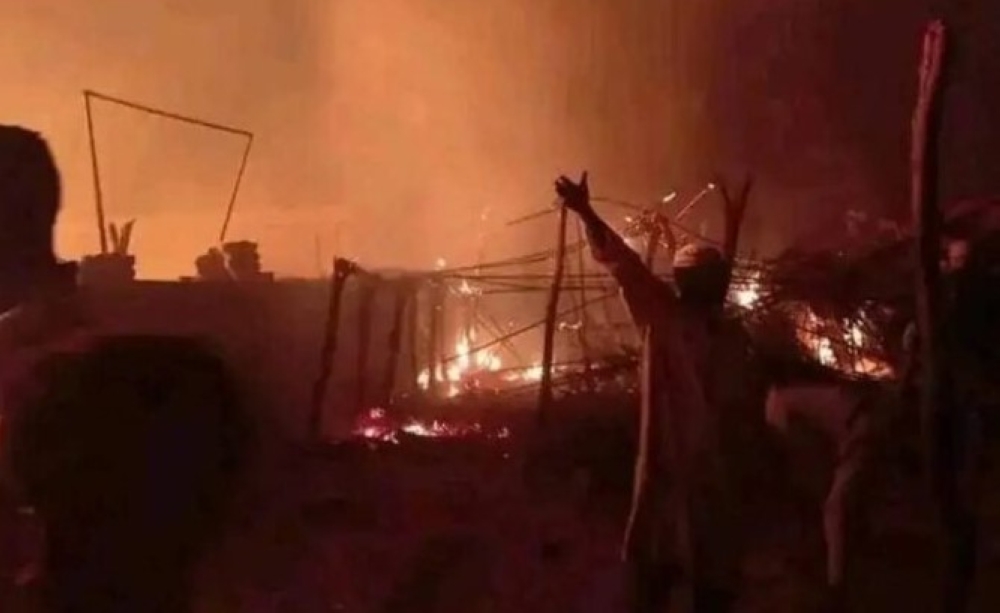
The security official explained that Lorestan province, located in western Iran and possessing strategic and geographical importance, was subjected to more than 100 airstrikes during this military operation. This intense bombardment targeted not only military infrastructure but also populated areas, explaining the high number of civilian casualties. These strikes are among the most violent to have struck Iranian territory in recent times, placing the entire region on a knife's edge and foreshadowing developments on the ground that could extend beyond Iran's borders.
The historical context of tensions between Tehran, Washington, and Tel Aviv
This event cannot be understood in isolation from the long history of hostility and tension between Iran on one side, and the United States and Israel on the other. Over the past decades, relations between these parties have been marked by a series of indirect clashes, shadow wars, and mutual intelligence operations. These tensions have escalated significantly with the stalled nuclear negotiations and Iran's growing influence in the region through its support of armed factions in countries such as Lebanon, Syria, Iraq, and Yemen. These joint US-Israeli strikes serve as a strong and direct message of deterrence to Tehran, attempting to curb the capabilities of the Iranian Revolutionary Guard and reduce its expanding regional influence.
Regional and international repercussions following the assassination of Ali Mohammad Naini
The assassination of Ali Mohammad Naeini carries profound implications and far-reaching consequences at the local, regional, and international levels. Domestically, the loss of such a prominent figure in the Islamic Revolutionary Guard Corps (IRGC) represents a significant blow to the morale and public image of the Iranian military establishment, potentially prompting Tehran to reassess its security and defense strategies and perhaps even take escalatory measures to quell domestic anger. Regionally, this event is expected to mobilize Iran's allies in the region, increasing the likelihood of military confrontations on multiple fronts. Internationally, this escalation presents the international community with significant challenges in preventing the region from sliding into a full-blown war that could disrupt global energy supplies and international shipping. This necessitates urgent diplomatic efforts to contain the situation and prevent a further, uncontrollable deterioration of the security situation.