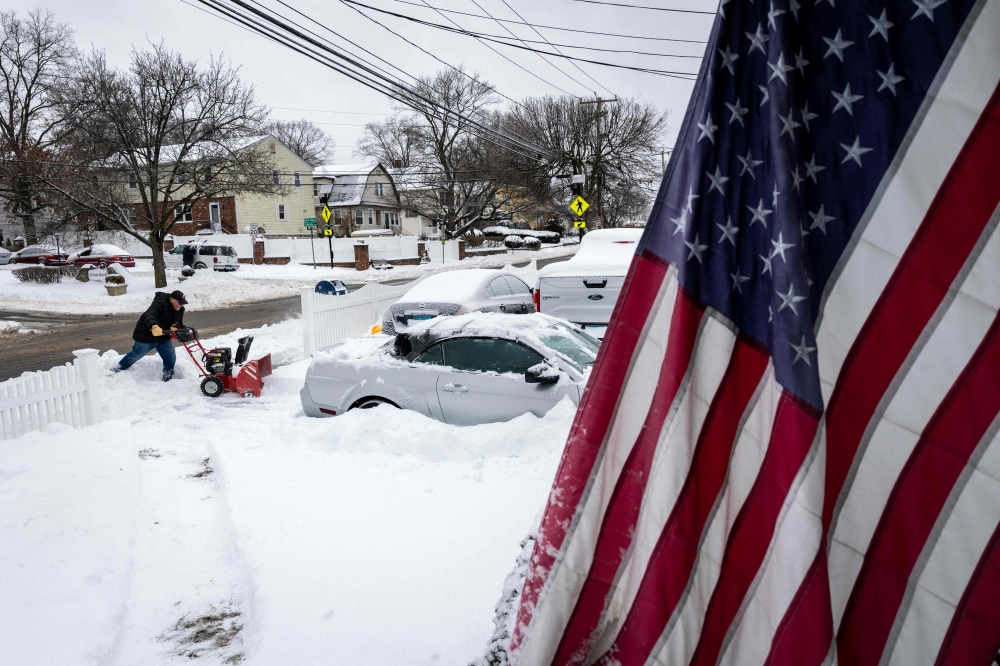
A historic winter storm, dubbed the “storm of the century,” struck vast swaths of the United States, leaving at least 35 people dead in separate incidents linked to the extreme weather. The storm, which some called the “deadly hail,” paralyzed the daily lives of millions of Americans, causing widespread transportation chaos and widespread power outages during the Christmas holidays.
Background to the storm: The “bomb cyclone” phenomenon
This storm is scientifically known as a "bomb cyclone," a term used to describe storms that rapidly intensify and strengthen within a 24-hour period. Its impact stretched from the Great Lakes region near Canada in the north to the Rio Grande along the Mexican border in the south. This phenomenon caused a sharp and unprecedented drop in temperatures, accompanied by fierce winds and heavy snowfall, creating extremely dangerous conditions for life and property. Such storms are rare in terms of their geographic scope and intensity, with meteorologists comparing them to major historical storms that the country experienced in past decades.
The catastrophic effects on infrastructure and society
The storm's repercussions were severe on all fronts. Icy conditions led to thousands of traffic accidents and skidding on highways, while many residents were trapped in their cars and homes due to heavy snowfall. Buffalo, New York, was among the hardest hit, with the city completely blanketed in snow, hindering emergency and rescue teams from reaching those in need.
Nationwide, more than 1.5 million homes and businesses lost power at the storm's peak, leaving millions without heating in the bitter cold. Air travel was also brought to a near standstill, with more than 19,000 flights canceled since the storm began, leaving thousands of passengers stranded at major airports during one of the busiest travel periods of the year.
Regional and international importance of the event
The storm's impact wasn't limited to the local level; its repercussions extended to the national economy and supply chains. Road closures and shipping disruptions delayed the delivery of essential goods and materials. International flight cancellations also affected travelers to and from the United States, creating a temporary global logistics crisis. Federal and local authorities renewed their warnings to citizens, emphasizing that the risk of frost and low temperatures remained and urging them to exercise extreme caution until the storm had completely subsided.