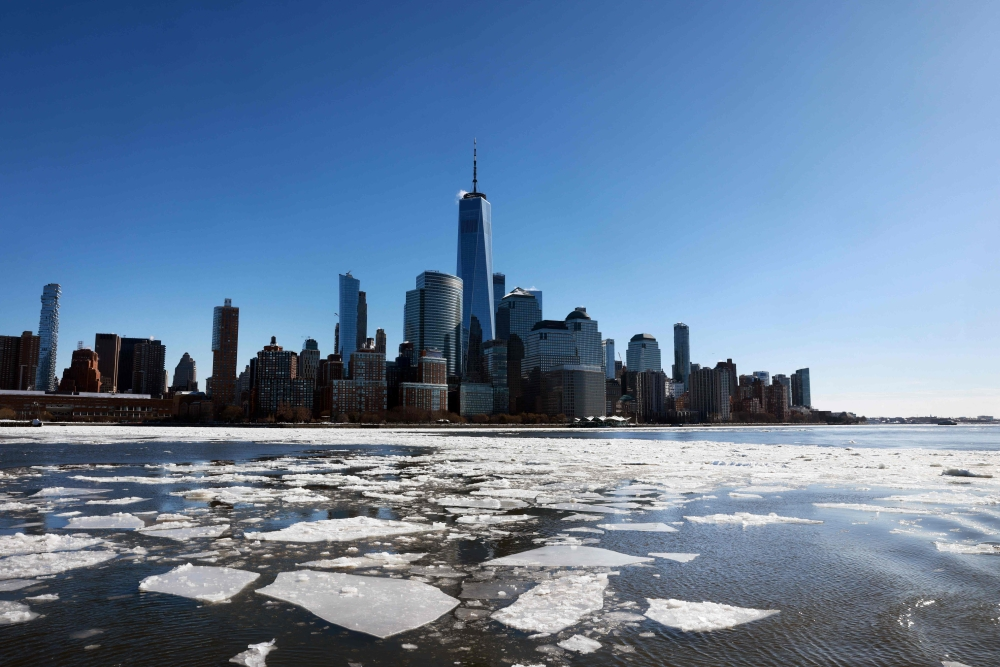
اجتاحت عاصفة ثلجية عنيفة جنوب الولايات المتحدة، متسببة في طقس جليدي غير مسبوق أودى بحياة أكثر من 100 شخص في عدة ولايات، خصوصاً في مناطق لا تعتاد على مواجهة مثل هذا الانخفاض الحاد في درجات الحرارة. وقد أدت العاصفة إلى شلل واسع النطاق في الحياة اليومية، مع انقطاع التيار الكهربائي عن مئات الآلاف وتوقف حركة النقل، مما يسلط الضوء على هشاشة البنية التحتية في مواجهة الظواهر الجوية المتطرفة.
خلفية الظاهرة: الدوامة القطبية وتأثيرها
تُعزى هذه الموجة القطبية الشديدة إلى ضعف “الدوامة القطبية”، وهي نظام ضغط منخفض ودوران هواء بارد يتمركز عادةً فوق القطب الشمالي. عندما تضعف هذه الدوامة، فإنها تسمح للهواء القطبي شديد البرودة بالتدفق جنوباً إلى مناطق لا تصلها عادةً، مثل ولايات الجنوب الأمريكي. هذا التغير في الأنماط الجوية أصبح أكثر تكراراً في السنوات الأخيرة، وهو ما يربطه بعض العلماء بتغير المناخ وارتفاع درجة حرارة القطب الشمالي، الذي يؤدي بدوره إلى زعزعة استقرار هذه الأنظمة الجوية.
تأثيرات كارثية على مناطق غير مجهزة
تكمن خطورة هذه العاصفة في أنها ضربت مناطق غير مهيأة للتعامل مع الثلوج الكثيفة والجليد. ولايات مثل تينيسي، ميسيسيبي، وكارولاينا الشمالية والجنوبية تفتقر إلى البنية التحتية اللازمة، مثل أعداد كافية من كاسحات الثلج ومخزونات الملح لإذابة الجليد على الطرق. كما أن المنازل والمباني غير مصممة لتحمل درجات حرارة متجمدة لفترات طويلة، مما يؤدي إلى انفجار أنابيب المياه وزيادة الضغط على شبكات الكهرباء التي لم تُبنَ لتلبية الطلب الهائل على التدفئة في مثل هذه الظروف، وهو ما يفسر انقطاع الكهرباء عن حوالي 200 ألف مشترك.
الأبعاد الاقتصادية والإنسانية للأزمة
تتجاوز آثار العاصفة الخسائر البشرية المباشرة لتشمل تداعيات اقتصادية واجتماعية واسعة. فقد أُغلقت الشركات والمدارس، وتوقفت حركة الطيران والشحن، مما أثر على سلاسل الإمداد. على الصعيد الإنساني، حذرت السلطات السكان من الخروج إلا للضرورة القصوى، وتم افتتاح العشرات من مراكز الإيواء والتدفئة لمساعدة من تقطعت بهم السبل أو من فقدوا التدفئة في منازلهم. وقد أدت الظروف الجليدية إلى مئات الحوادث المرورية، بينما شكل انقطاع الكهرباء خطراً إضافياً على كبار السن والمرضى الذين يعتمدون على أجهزة طبية.
استجابة السلطات وتحذيرات مستقبلية
أعلنت هيئة الأرصاد الجوية الوطنية أن موجة الهواء القطبي ستؤدي إلى انخفاض درجات الحرارة إلى ما دون الصفر حتى في مناطق جنوب فلوريدا، والتي قد تسجل أدنى درجات حرارة لها منذ عقود. وفي مواجهة الأزمة، قامت السلطات المحلية، مثلما حدث في ولاية ميسيسيبي، بالاستعانة بفيلق المهندسين بالجيش الأمريكي لتركيب مولدات كهربائية في المواقع الحيوية. حتى وكالة ناسا اضطرت إلى تأجيل اختبارات حيوية لصاروخها الجديد في فلوريدا بسبب الطقس المتجمد. تؤكد هذه الكارثة على الحاجة الملحة لتطوير البنية التحتية في جميع أنحاء البلاد لتكون أكثر مرونة في مواجهة التغيرات المناخية والظواهر الجوية القاسية التي باتت واقعاً جديداً.