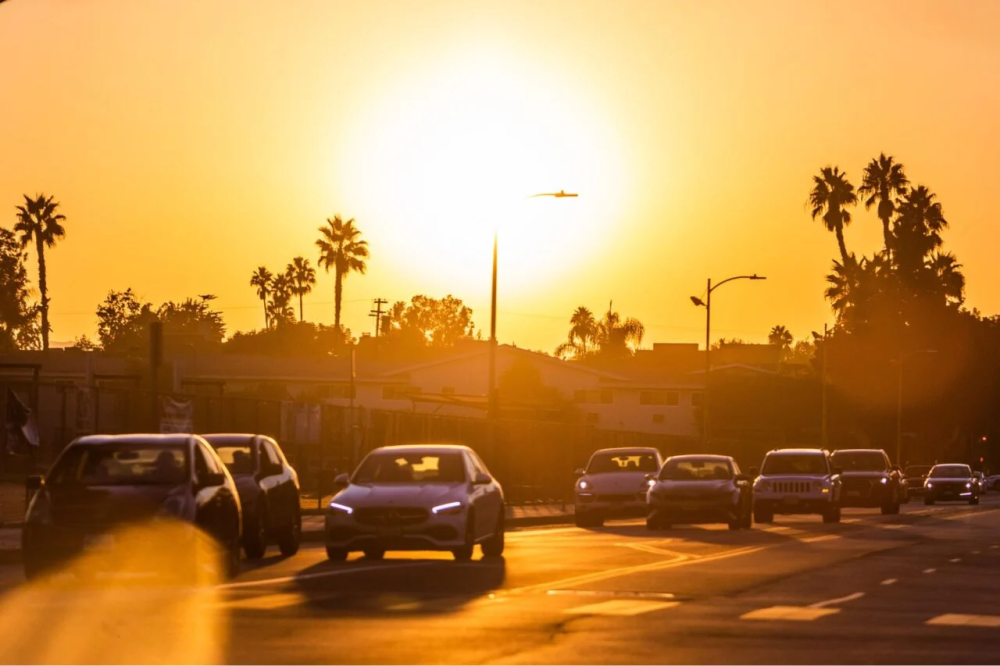
The southwestern United States experienced a dangerous climate development, with a deadly heat wave shattering all previous records for March. This is no longer just a fleeting, severe weather event, but the latest example of climate extremes reaching unprecedented levels. These phenomena are occurring more frequently than ever before, coinciding with the continued rise in global temperatures, posing serious environmental and health challenges to millions of people.
Historical context: How did each deadly heat wave become a recurring reality?
Historically, the southwestern United States has been accustomed to high temperatures during the sweltering summer months, but a deadly heat wave occurring so early in the year marks a dramatic shift in climate patterns. For decades, climate scientists have warned that global warming will lengthen the summer and extend heat waves into months once known for their mild springtime, such as March. This rapid change reflects the accumulation of greenhouse gases in the atmosphere, making phenomena once considered rare or once-in-a-century occurrences frequent and familiar features of an increasingly warming world.
Unprecedented record numbers in Arizona and California
This heatwave reached record levels, with two locations in Arizona recording temperatures of 112 degrees Fahrenheit (44.4 degrees Celsius) last Friday. These figures officially broke the highest temperature ever recorded for the month of March in the United States. The extreme heat wasn't limited to Arizona; two locations in Southern California also experienced similar high temperatures. Interestingly, and perhaps worryingly, all four locations are within 50 miles (approximately 80.5 kilometers) of each other, indicating a concentration of intense heat within a specific geographic area.
Expected repercussions and effects locally and internationally
The repercussions of this climate event extend far beyond simply setting new weather records. Locally, the high temperatures are placing immense strain on power grids due to increased demand for air conditioning, as well as posing a direct threat to public health, particularly for the elderly, children, and workers who spend extended periods outdoors. Regionally, these early heat waves increase the risk of soil desiccation and earlier-than-usual wildfires, threatening vital water resources in the Colorado River Basin. Internationally, what is happening in America serves as a global wake-up call, underscoring that climate change knows no geographical boundaries and highlighting the critical importance of accelerating international efforts to reduce carbon emissions and adhere to global climate agreements.
Experts warn of future extreme weather
In this context, meteorologists and climate experts have confirmed that extreme and unprecedented weather phenomena, which sometimes strike at unusual times and in unexpected places, are putting more people at direct risk. These extreme events are exceeding the limits once thought possible. What were previously classified as exceptional or anomalous events are now becoming the new norm, requiring rapid and effective adaptation strategies to protect communities from nature's escalating fury.