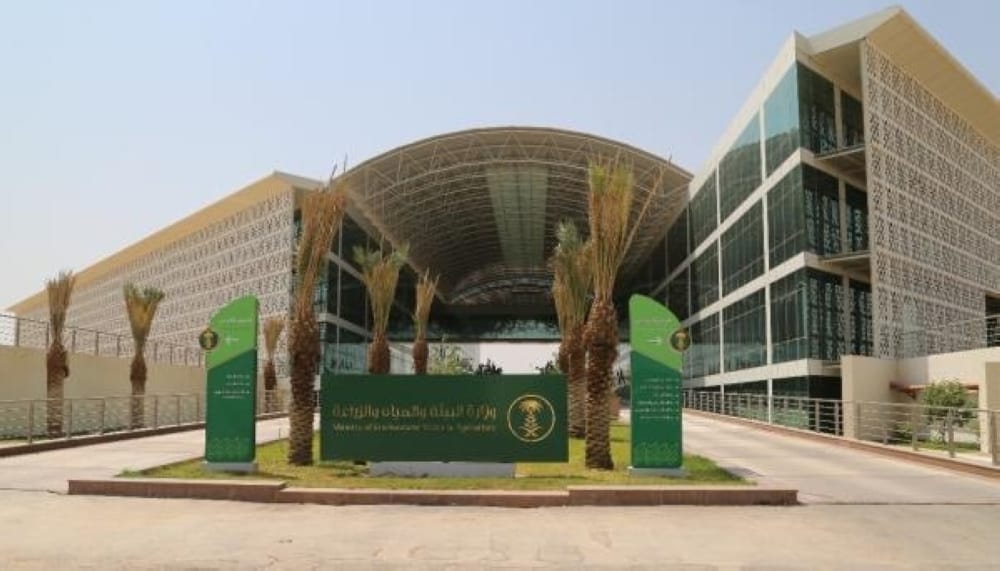
The Makkah branch of the Ministry of Environment, Water and Agriculture has announced that the 5th of Safar, 1448 AH (corresponding to September 20, 2020) is the deadline for owners of unlicensed wells or those whose licenses have expired to expedite the process of rectifying their status and obtaining the necessary licenses to use groundwater resources. This step comes as part of the Ministry's ongoing efforts to regulate and control the water sector in the Kingdom and ensure the sustainability of water resources for future generations.
Water regulation context in the Kingdom
These measures are of paramount strategic importance given the geographical and climatic nature of the Kingdom of Saudi Arabia, which relies heavily on groundwater as its primary source of non-renewable water. Over the past years, the Kingdom has enacted stringent legislation, most notably the comprehensive Water Law, which aims to protect water resources from over-exploitation and pollution. Regulating well drilling and its use is a cornerstone of this legal framework, and the Ministry seeks, through this grace period, to establish an accurate database on the actual consumption of water reserves in the Makkah region and the rest of the Kingdom.
Correction mechanism via the Nama platform
Engineer Waleed Al-Daghis, Director General of the Ministry's branch in the Makkah region, confirmed that the decision to extend the deadline until the specified date was made to enable all beneficiaries to complete their required procedures easily and conveniently. Al-Daghis urged beneficiaries to use the "Nama" electronic platform, which serves as the unified digital portal for services within the environment, water, and agriculture system. This reflects the government's commitment to digital transformation and streamlining the beneficiary's journey, eliminating the need to visit branches and ensuring the continued legal operation of these wells while avoiding penalties stipulated in the regulations.
Exempt categories and requirements
The ministry clarified that this extension does not apply to everyone, as local agricultural companies and large licensed wheat farmers are exempt. These categories remain subject to the previously announced deadlines and requirements specific to their respective sectors, given their high water consumption. The branch also explained that the extension does not cover activities under the supervision of the Saudi Water Authority and the Saudi Food and Drug Authority, such as water distribution points (for both potable and non-potable water) and bottled water plants, as these facilities are subject to different regulatory oversight.
The economic and environmental impact of Vision 2030
These regulatory measures are directly aligned with the objectives of the Kingdom's Vision 2030, specifically those related to the Quality of Life Program and the sustainability of natural resources. Regulating the use of groundwater wells is not merely an administrative procedure, but a national and security imperative. Groundwater represents a strategic asset that must be managed wisely to ensure water and food security. Adherence to these licensing requirements is expected to improve irrigation efficiency, reduce water waste, and direct water resources toward higher-value development purposes, thereby strengthening the stability of the agricultural sector and protecting it from the risks of sudden well depletion due to unregulated drilling.