In a decisive move to enforce sporting integrity, Czech police on Wednesday formally charged 32 people with match-fixing and other financial crimes. This action followed a series of extensive raids targeting several sports clubs and the headquarters of the national football federation, representing a significant blow to corruption in the country's sporting community.
Details of match-fixing allegations in the Czech Republic
Prosecutor Radim Dragun explained that this security operation is the largest of its kind against corruption in the history of the Czech Republic, a country with a population of approximately 10.9 million. The list of those targeted includes prominent clubs, among them MFK Karviná, a first-division team, as well as sports officials, referees, players, and agents. The charges against the suspects include involvement in an organized criminal group, fraud, bribery, and money laundering. Those convicted face severe penalties, including up to 13 years in prison.
Initial investigations suggest that authorities suspect MFK Karvina of bribing referees and players to influence the outcome of a first-division match played in March 2024. The club quickly and categorically denied these allegations in an official statement published on its website, attributing the actions to individual players who do not represent the club. The public prosecutor confirmed that the investigation is ongoing and indicated that charges may be brought against other individuals based on the results of the ongoing searches and interrogations.
The historical context of corruption in Czech football
The match-fixing crisis in Czech sports was not a sudden phenomenon, but rather stemmed from a series of accumulated scandals that shook public confidence. In 2024, Roman Berber, the former vice-president of the Czech Football Association, received a three-year suspended sentence, with a five-year term, for embezzlement. Berber was also convicted of misappropriating funds from a regional federation, and he and 21 others, along with the club Slavoj Vyšehrad, were accused of manipulating the results of lower-division matches.
In the same vein, Roman Rogoz, the former sporting director of Slavoj Vyšehrad, was sentenced to four years in prison. The repercussions extended to include the resignation of Dagmar Damková, Berber's wife and the first female football referee in the Czech Republic, from her position on UEFA's referees committee. Nor can we forget the case of Miroslav Pelta, the former president of the Czech Football Association, who was arrested in 2017 and later sentenced to six years in prison for manipulating sports funding.
The repercussions of the scandal and its expected impact locally and internationally
This scandal has profound implications for the future of Czech football. Domestically, the investigations are expected to lead to a complete overhaul of the Czech Football Association and the clubs involved, with the potential for severe sporting sanctions, including point deductions or relegation. Regionally and internationally, these events have placed Czech football under intense scrutiny from UEFA and FIFA, both of which have strict policies that have zero tolerance for corruption in sports.
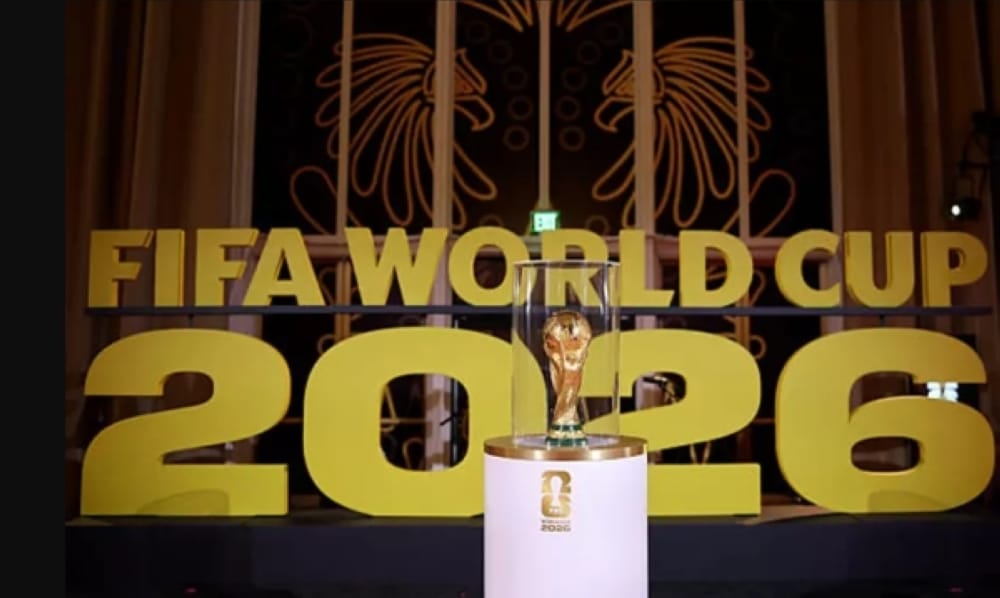
This crisis comes at a very sensitive time, as the Czech national football team prepares for a crucial match against Ireland in Prague on Thursday, as part of the European playoffs for the 2026 World Cup. The Czech team is striving to shield its players from this tense atmosphere, hoping to achieve their dream of qualifying for the World Cup for the first time since 2006, and to rewrite a bright history that erases the effects of the administrative scandals that have plagued the sport in the country.