Death toll from Cyclone Jizani rises
Authorities in Madagascar have announced that the death toll from Cyclone Gizane has risen to at least 59, with 15 people still missing. This tragic update to the official count, released by the National Office for Risk and Disaster Management, comes six days after the cyclone struck Toamasina, the country's second-largest city and a vital commercial hub on the northeast coast.
The cyclone, which made landfall with winds reaching 250 kilometers per hour, left widespread devastation in its wake. According to updated figures, Typhoon Jizani injured more than 800 people and forced over 16,000 to flee their homes in search of shelter. Infrastructure also suffered extensive damage, with 25,000 homes completely destroyed and another 27,000 flooded, exacerbating the humanitarian crisis in the affected areas.
General context: Madagascar in the eye of the storms
Madagascar lies within the cyclone belt of the southwestern Indian Ocean, making it one of the African countries most vulnerable to extreme weather events. The cyclone season typically runs from November to April, and the island experiences numerous storms and cyclones each year, placing immense strain on its resources and fragile infrastructure. No sooner had the residents of northwestern Madagascar recovered from Tropical Cyclone Phetia, which struck the region in early February, killing seven people and displacing more than 20,000, than Cyclone Gizani arrived, adding to the country's woes.
The importance and expected effects of the disaster
The effects of Cyclone Jezani extend far beyond the immediate loss of life, encompassing serious economic and social dimensions. Toamasina, a city of approximately 400,000 people, is the country's main port, and any damage to it disrupts trade and supplies for the entire island. Satellite images and reports from humanitarian organizations have shown the city's commercial streets completely submerged in muddy water.
On the humanitarian front, the World Food Programme warned of the precarious situation of the population, noting that 95% of the city's electricity grid was damaged, with a near-total disruption of drinking water supplies, increasing the risk of outbreaks of waterborne diseases such as cholera. This devastation also threatens food security, as the floods are destroying crops on which local residents depend for their food and income.
Local and international response
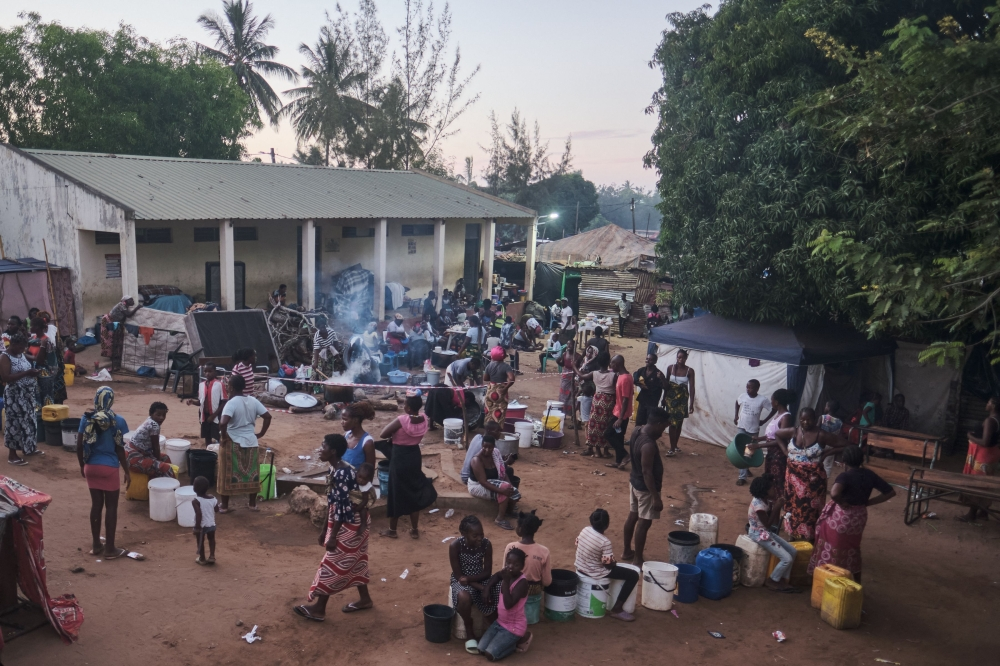
In response to this disaster, schools and public buildings were transformed into temporary shelters to distribute aid to those affected. Internationally, aid began pouring in to support relief efforts, with China providing 100 million yuan (approximately €12 million) in assistance, while France announced it would send food supplies, medics, and firefighters from the neighboring French island of Réunion. After leaving Madagascar, Cyclone Jezani continued its path toward Mozambique, where it killed four people and caused damage in the coastal city of Inhambane, underscoring the transboundary nature of these weather disasters and the need for concerted regional efforts to address them.