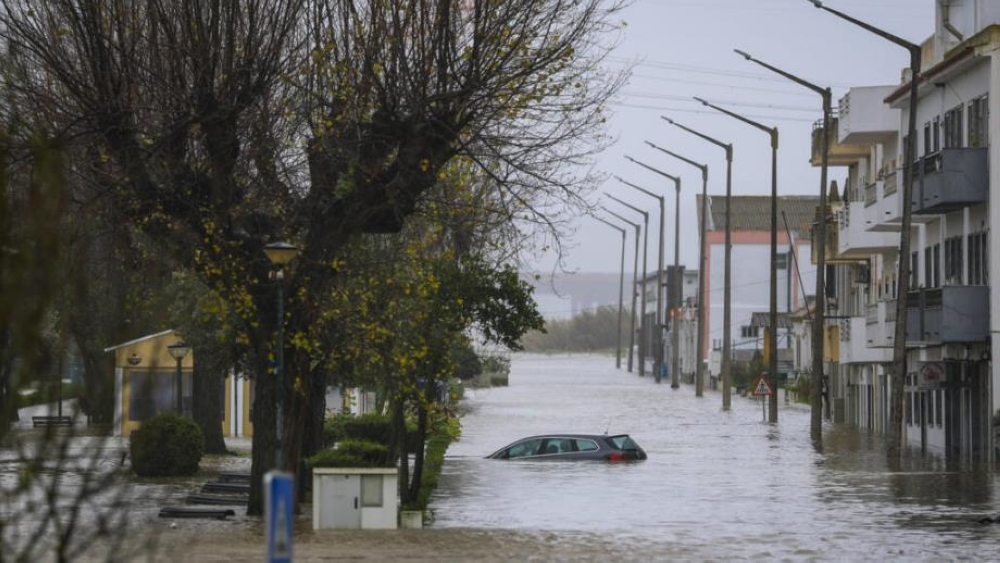
Authorities in Mozambique have announced that at least four people have been killed by Cyclone Gizani, which struck the country's coast, causing widespread damage to infrastructure and a massive power outage. This comes just days after the storm caused widespread devastation and dozens of deaths in neighboring Madagascar, underscoring the immense destructive power of this tropical storm.
The cyclone made landfall with winds reaching 215 kilometers per hour, according to Mozambican meteorological data, causing extensive damage to Inhambane, one of the largest cities in the south of the country, with a population of approximately 100,000 along with the surrounding areas. National electricity companies reported that the storm caused power outages affecting more than 130,000 people, further complicating initial rescue and relief efforts.
Historical context: Mozambique facing cyclones
Mozambique lies on a long coastline along the Indian Ocean, making it one of the African countries most vulnerable to severe tropical cyclones that form in the Mozambique Channel. The country is still reeling from the devastating 2019 Cyclone Idai, described as one of the worst weather disasters to hit the Southern Hemisphere, which claimed the lives of more than 1,000 people in Mozambique, Zimbabwe, and Malawi. This historical context places Cyclone Gizani within the broader context of recurring climate challenges facing the region, which deplete its resources and hinder development efforts.
Regional impact: Devastation in Madagascar before reaching Mozambique
Before reaching Mozambique, Cyclone Gizane had already left a devastating trail in Madagascar, where it killed at least 40 people. The government there declared a national emergency after the storm caused an estimated $142 million in damage. Toamasina, the island's second-largest city and main port, was the hardest hit, with President Michel Randrianireina stating that approximately 75% of the city was destroyed. This pre-emptive devastation illustrates the sheer force with which the storm reached the Mozambican coast.
Expected repercussions and response efforts
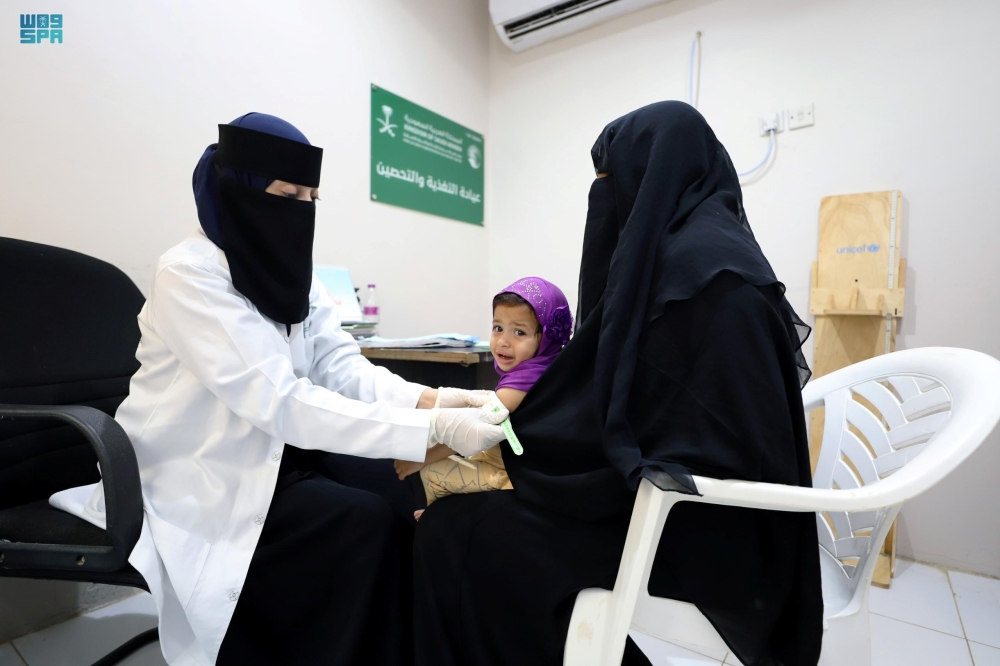
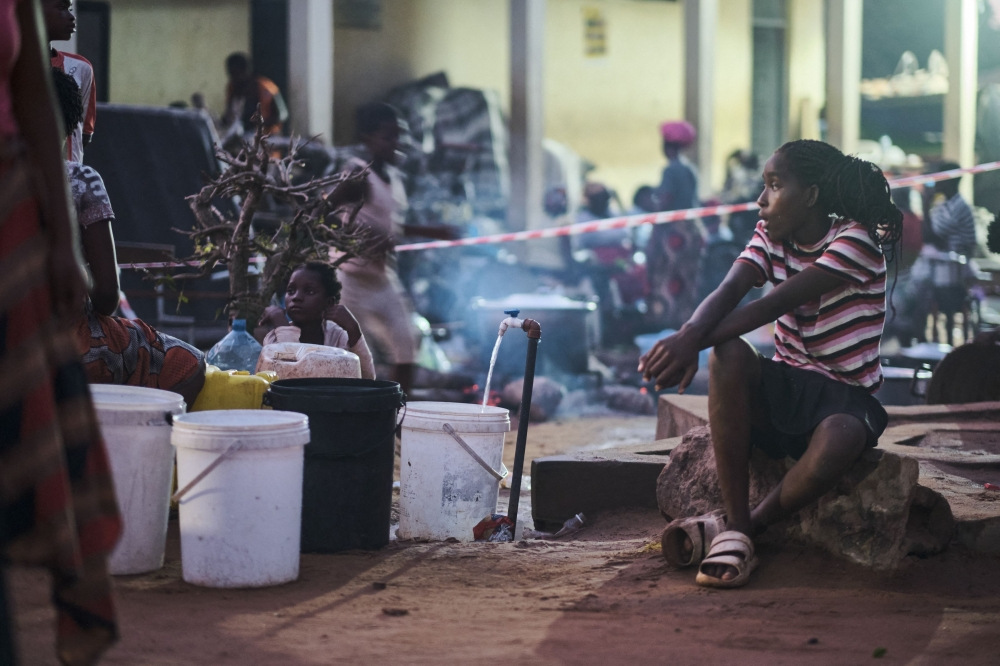
The immediate consequences of the cyclone are a humanitarian crisis requiring an urgent response, including providing shelter for the displaced, securing clean drinking water and food, and delivering medical care to the injured. In the long term, the damage to infrastructure and agricultural areas is expected to negatively impact the local economy and food security. International humanitarian organizations, in coordination with local authorities, are preparing to fully assess the extent of the damage and provide necessary assistance to those affected, racing against time to prevent the deterioration of health conditions and the spread of waterborne diseases.