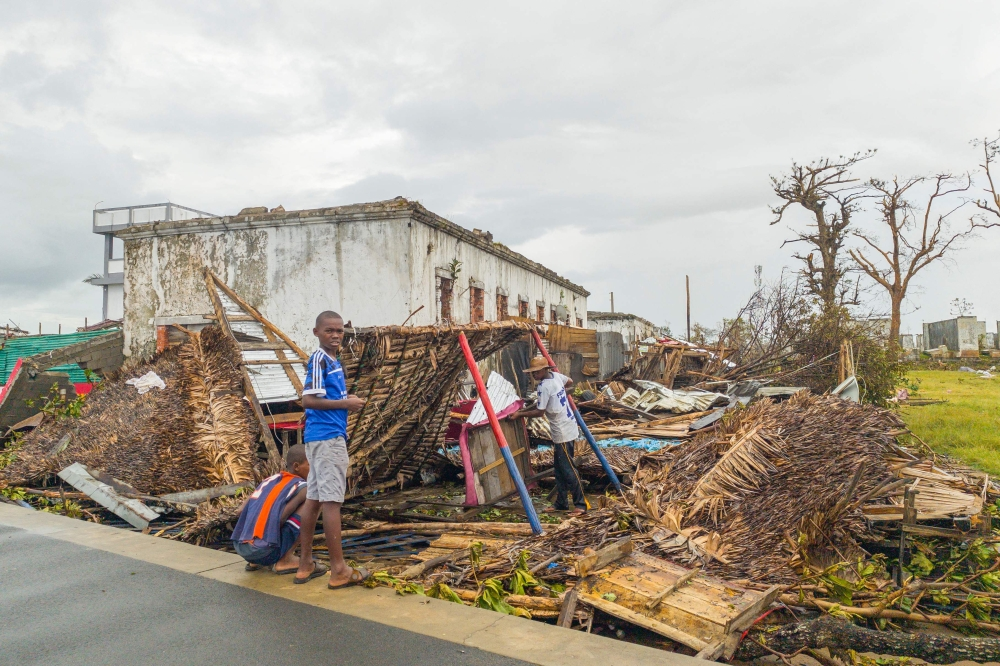
Authorities in Madagascar have announced that the death toll from Cyclone Gamani , which devastated the country's northeastern coast, has risen to at least 36, marking yet another natural disaster to strike the Indian Ocean island nation. The cyclone caused widespread destruction, injuring more than 370 people and displacing tens of thousands after destroying or damaging thousands of homes.
According to data from the National Risk and Disaster Management Office (BNGRC), most of the deaths, 32, were concentrated in the Tomasina region, home to the country's main port and a vital economic hub. The report indicated that nearly 18,000 homes were completely destroyed, while more than 37,000 others were damaged by the storm's gusts of over 195 kilometers per hour and torrential rains, which triggered widespread flooding and landslides.
The context of natural disasters in Madagascar
Madagascar, the world's fourth-largest island, lies in the cyclone corridor of the southwestern Indian Ocean, making it one of the countries most vulnerable to the effects of climate change and natural disasters. The cyclone season typically runs from November to April, during which the country frequently experiences powerful storms. Cyclone Gamani was not an isolated event, but rather the latest in a series of devastating cyclones to strike the island in recent years. In 2023, Cyclone Freddy caused widespread damage, and before that, Cyclone Batseray in 2022, placing immense strain on the country's fragile infrastructure and its capacity to recover.
Expected local and international impacts
of Cyclone Gamani extends far beyond the immediate loss of life, encompassing a profound humanitarian and economic crisis. Locally, the destruction of homes and infrastructure, such as roads and bridges, has isolated numerous communities, hindering the delivery of humanitarian aid and rescue teams. The devastation of farmland threatens the food security of thousands of families who rely on agriculture as their primary source of income, particularly in a country already grappling with high levels of poverty. Furthermore, stagnant water increases the risk of outbreaks of waterborne diseases like cholera. Internationally, this disaster underscores the urgent need for international support to Madagascar in addressing the impacts of climate change. International humanitarian organizations have begun mobilizing resources to provide emergency assistance, including shelter, food, and clean water, while the government faces the significant challenge of reconstruction and building the country's resilience to future disasters.