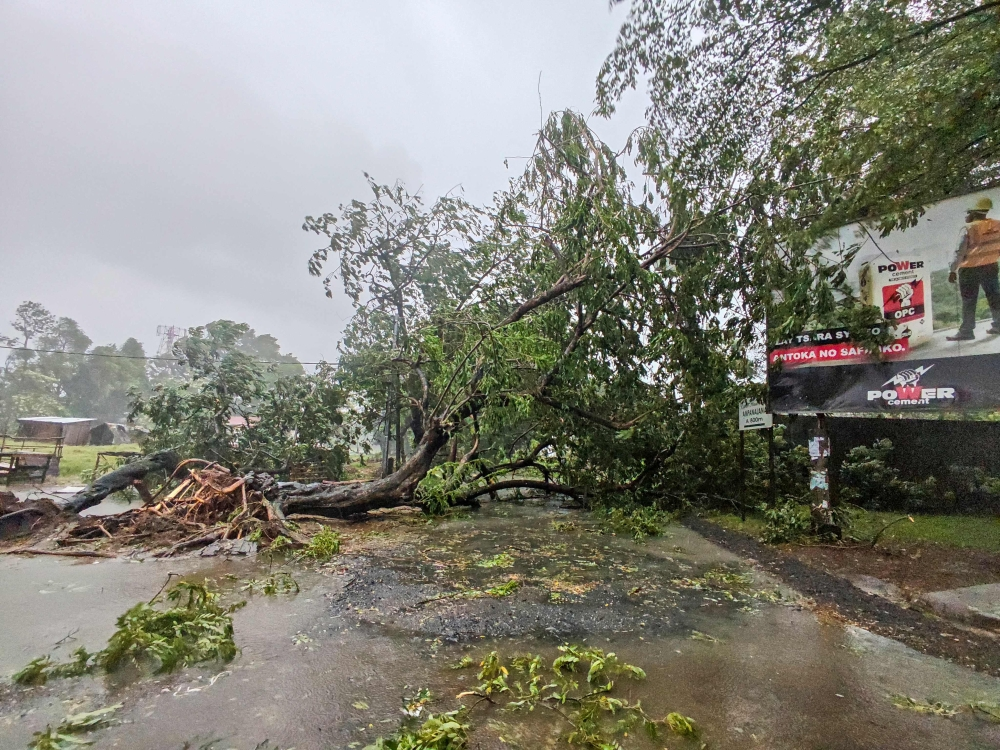
A powerful tropical cyclone, Cyclone Gamani, struck the northeastern coast of Madagascar, leaving widespread devastation and a humanitarian crisis in its wake. Local authorities reported at least 20 deaths and 33 injuries, while search and rescue operations continue for those still missing. The cyclone, accompanied by winds exceeding 195 kilometers per hour and torrential rains, displaced tens of thousands of residents after floods and landslides destroyed their homes.
Background of natural disasters in Madagascar
Madagascar, the world's fourth-largest island, lies in the Indian Ocean's cyclone corridor, making it one of the countries most vulnerable to the effects of climate change and natural disasters. The country experiences an annual cyclone season from November to April, during which it is frequently struck by devastating storms. In recent years, the island has been battered by a series of powerful cyclones, such as Cyclone Freddy in 2023, which caused immense human and material losses, placing enormous strain on its fragile infrastructure and impoverished communities that struggle to recover between disasters.
Local and regional impacts of Cyclone Gamani
The effects of Cyclone Gamani extended beyond the immediate loss of life to include widespread destruction of vital infrastructure. Flooding severed major roads and bridges, isolating many affected villages and areas and severely hindering the delivery of rescue and humanitarian aid. Agricultural land, the primary source of livelihood for the majority of the population, was also severely damaged, raising serious concerns about food security in the coming months. Local authorities, with support from international humanitarian organizations, are working to provide shelter, food, and clean water to those affected, while also warning of the risk of outbreaks of waterborne diseases such as cholera in the aftermath of the flooding.
International importance and humanitarian response
Internationally, this disaster underscores once again the need to support developing countries most vulnerable to extreme weather events. UN agencies and NGOs, such as the World Food Programme and the Red Cross, have begun assessing the damage and coordinating relief efforts. A rapid response is crucial to saving lives and meeting the urgent needs of the population. The recurrence of such disasters also highlights the importance of investing in early warning systems and building climate-resilient infrastructure, which requires international cooperation and financial and technical support to help Madagascar adapt to this new climatic reality.