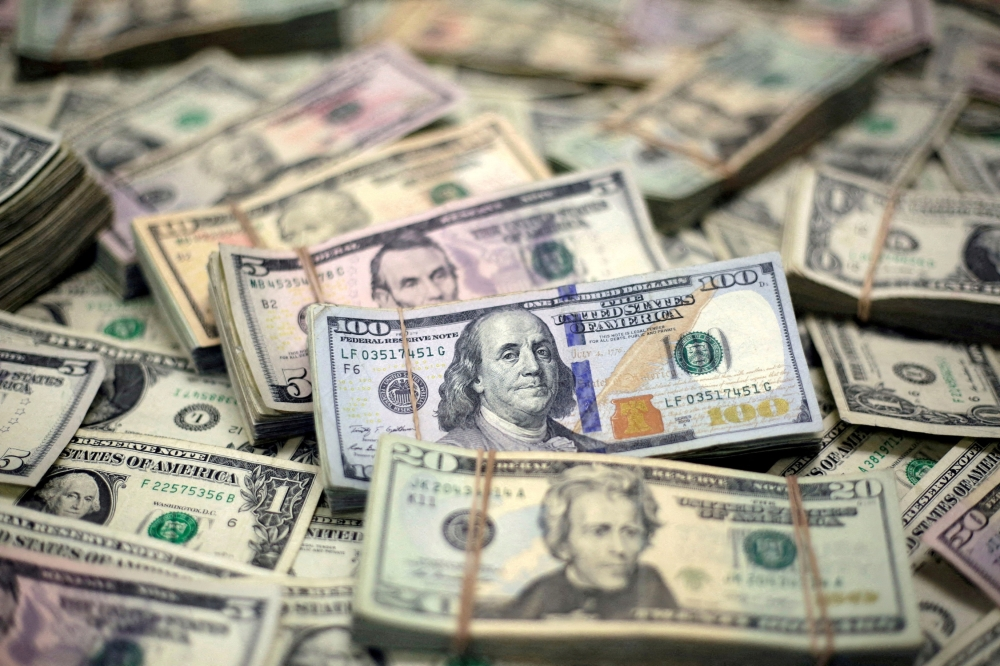
currency markets have seen significant repercussions this week due to heightened geopolitical tensions, pushing one of the key indicators of investor demand for the US dollar to its highest level in nearly a year. These notable movements surpass the levels seen during the turmoil triggered by US tariffs in April of last year, underscoring the markets' sensitivity to security and military tensions.
The historical and geopolitical context and its impact on currency markets
Historically, currency markets as a mirror reflecting the state of stability or tension on the international stage. Amid the recent escalation and ongoing tensions in the Middle East, particularly with the tit-for-tat attacks and operations led by the United States and Israel against Iranian-linked targets since late February, investors have rushed to restructure their portfolios. In times of war and major geopolitical crises, global capital naturally flows toward assets that offer protection and high liquidity, foremost among them the US dollar, considered the world's primary safe haven.
This investment pattern is not new; every time the language of war escalates in energy-rich regions such as the Middle East, we witness huge cash flows towards US bonds and the greenback, fleeing the risks associated with other currencies whose economies may be affected by supply chain disruptions or rising energy costs.
Market data: Euro weakens in favor of the dollar
According to data from the London Stock Exchange Group, euro base cross swaps have fallen sharply. These swaps are a key financial derivative that directly reflects the demand for the US dollar. They dropped to a low of 0.625%, after hovering around 6.4% late on Monday. Technically, a lower cross swap rate indicates a stronger appetite among investors to hold US dollars rather than euros.
In a related development, the euro suffered significant losses, shedding approximately 1.5% of its value against the US dollar since the latest escalation began on February 28. This decline reflects European markets' concerns about the direct economic repercussions of the tensions in the Middle East.
Expected regional and international economic repercussions
The current developments have far-reaching consequences, extending beyond immediate speculation to encompass broader economic repercussions. Regionally, these tensions are putting pressure on the investment climate in the Middle East, potentially leading to a slowdown in some vital sectors. Internationally, the sharp rise in oil and natural gas prices threatens to reignite inflationary pressures in major economies, potentially forcing central banks to postpone their plans to cut interest rates.
Despite the increased volatility in financial markets in general as a result of soaring energy prices, currency fluctuations have remained relatively limited so far. However, experts warn that a continuation or escalation of the conflict could lead to deeper shocks, further strengthening the dollar's dominance and weakening the position of other major currencies in the global financial system.