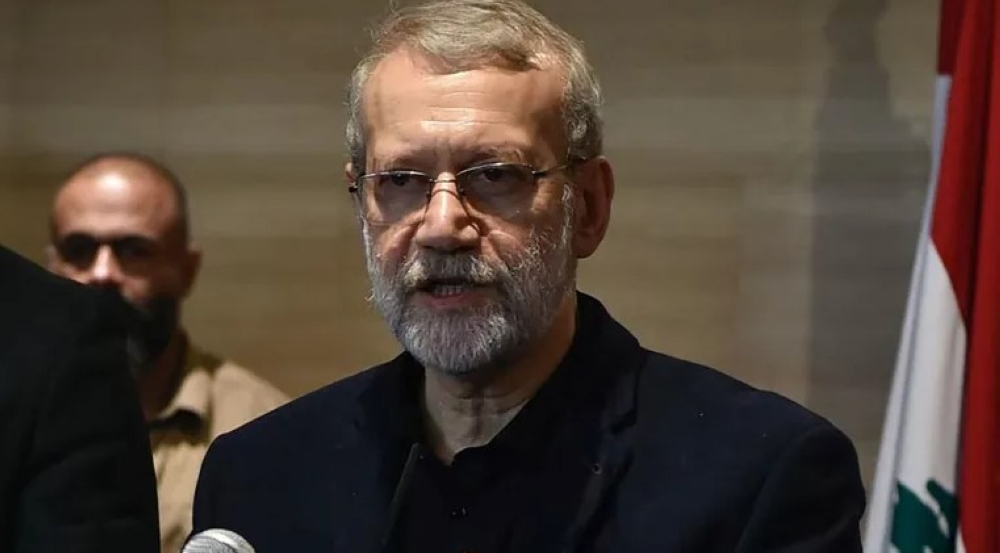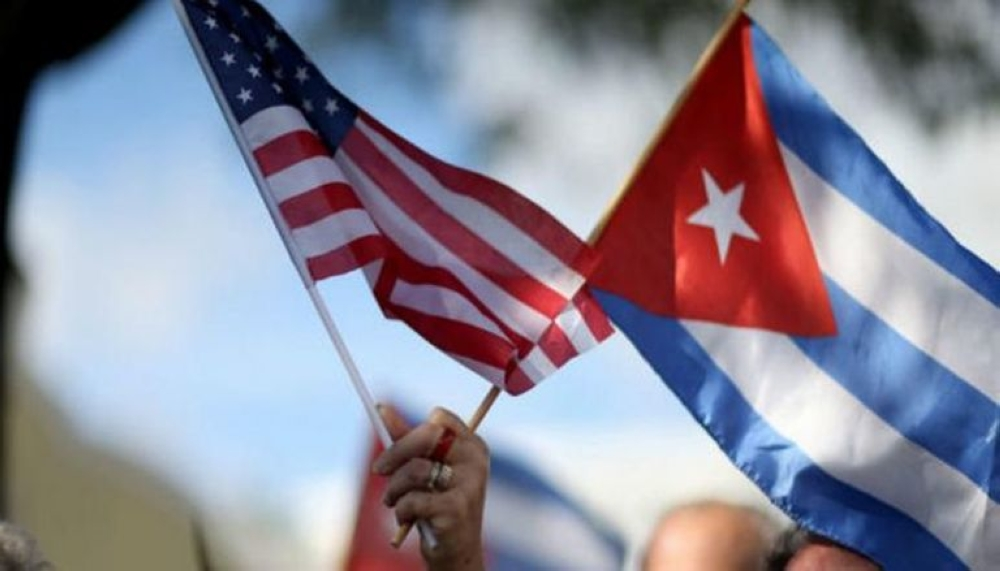
Amid escalating diplomatic and military tensions in the Caribbean, Cuban President Miguel Díaz-Canel his country's official position on the possibility of opening new channels of communication with the United States on Friday. In a speech delivered in Havana in front of the US Embassy, the Cuban president affirmed that his country remains fully open to dialogue and improving bilateral relations, but only under specific, non-negotiable conditions.
Havana's firm stance: Sovereignty is a red line
Díaz-Canel explained that the fundamental and sole condition for any potential rapprochement is that the dialogue be conducted "on an equal footing and on the basis of mutual respect" for the sovereignty of both nations. He emphasized firmly that Cuba "has no political concessions to offer," indicating that revolutionary principles and national sovereignty will never be up for negotiation, regardless of external pressure or economic incentives.
Background to the current escalation and tension
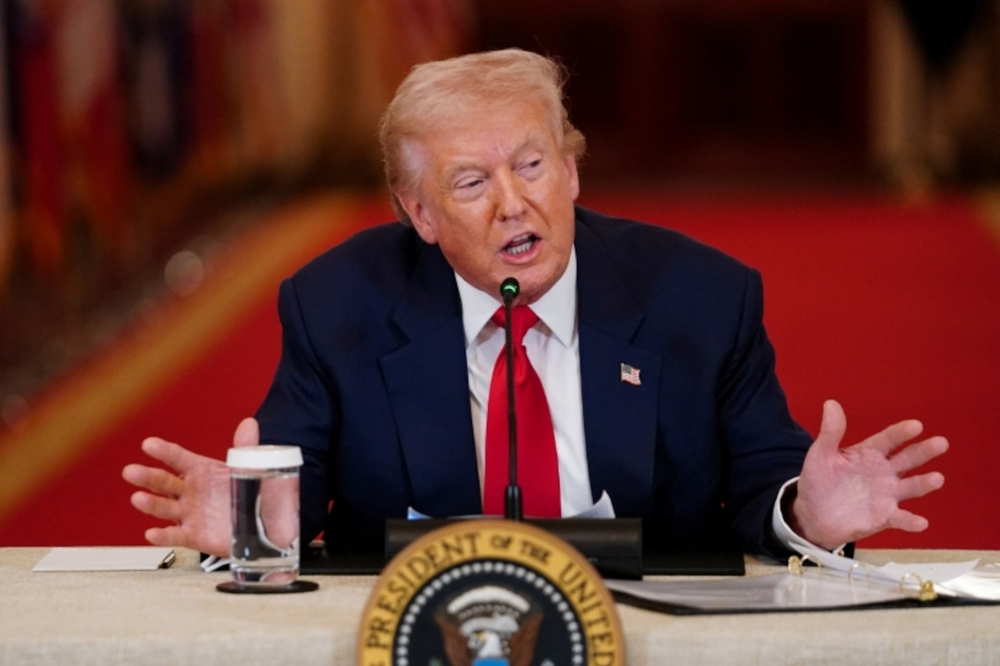
This statement comes at a time of unprecedented tension in relations between the two countries, following US President Donald Trump's of threats against the communist island. This escalation is directly linked to recent events in Venezuela, specifically the military operation launched by US forces in Caracas on January 3, which resulted in the arrest of Venezuelan President Nicolás Maduro. According to official sources, this operation led to the deaths of 32 Cuban soldiers, some of whom were part of Maduro's personal security detail, further fueling anger in Havana.
Trump did not stop at military operations, but went so far as to suggest that the US Secretary of State, Marco Rubio – known for his hardline positions and the son of Cuban immigrants – should assume the presidency of Cuba, threatening Havana with dire consequences if an agreement that satisfies Washington is not reached.
A history of conflict and attempts at rapprochement
To understand the depth of this situation, one must consider the historical context of US-Cuban relations. Since the Cuban Revolution of 1959, the relationship has been characterized by persistent hostility and a crippling economic embargo imposed by Washington on the island. Despite a brief thaw under former President Barack Obama, which saw the reopening of embassies and the easing of some restrictions, Trump's rise to power returned relations to their initial state of tension, with the tightening of sanctions and the cancellation of many previous agreements.
The economic dimension and the impact of the Venezuelan crisis
These developments are of major strategic and economic importance, given the close alliance between Cuba and Venezuela. Since 2000, Venezuela has been a lifeline for the Cuban economy, serving as its main supplier of oil at preferential prices. With the recent announcement by the US president of his intention to seize Venezuelan oil and halt shipments and aid to Cuba, the island faces enormous economic challenges that could affect its internal stability.
In closing, the Cuban president denied the existence of any secret negotiations currently underway with the US administration, thus refuting what Trump had stated, and stressing that any future dialogue must be public and respect the independence of Cuban decision-making.