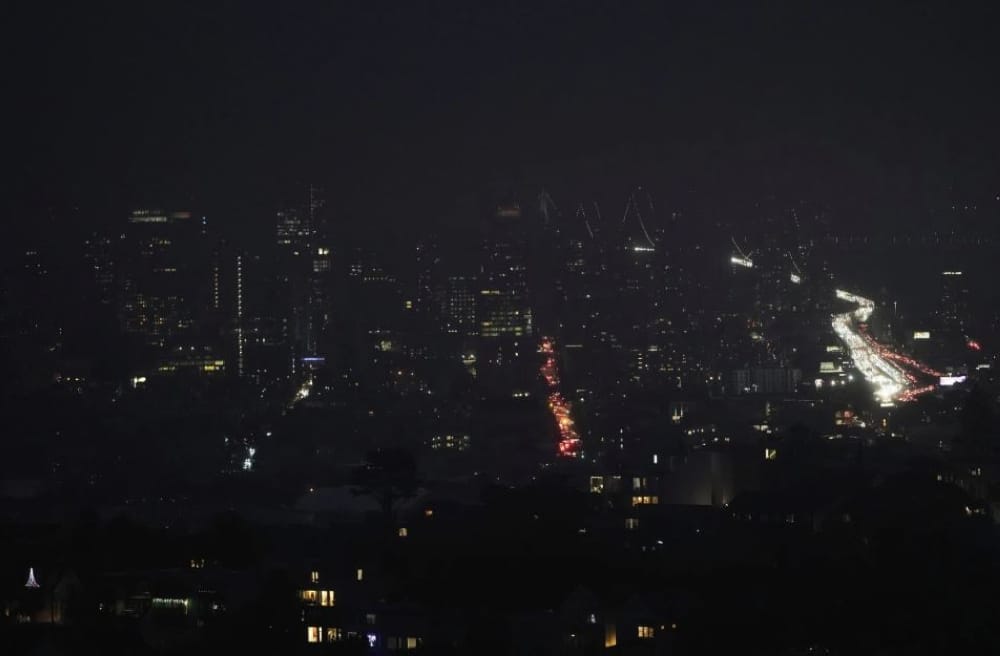
Cuba's Ministry of Energy and Mines announced a new crisis, adding to the series of crises plaguing the country, as power outage swept across Cuba . This widespread failure of the national electricity grid plunged most of the country into darkness, causing a near-total paralysis of daily life and significant disruption to essential services upon which millions of citizens depend. This incident once again highlights the fragility of the energy sector on the Caribbean island.
Reasons for the power outages in Cuba: dilapidated infrastructure and severe fuel shortages
To understand the overall context and historical background of this event, one must examine the past decades that have shaped Cuba's energy landscape. The root cause of these recurring incidents lies in the aging infrastructure of the thermal power plants, most of which date back to the Soviet era. These plants have exceeded their lifespan and lack regular maintenance and technological upgrades. Authorities explained that the latest malfunction stemmed from a broader problem within the power generation system, which is to be expected under these circumstances.
In addition to its crumbling infrastructure, Havana is suffering from a severe fuel shortage. Historically, the country has relied heavily on oil supplies from its allies, particularly Venezuela. With these supplies dwindling in recent years due to Caracas's economic crises, coupled with stringent US sanctions that impede shipments and spare parts, the energy crisis has worsened to an unprecedented degree, making grid collapses a frequent occurrence.
Local repercussions: paralysis of basic services and daily suffering
This widespread blackout disrupted numerous essential services and vital facilities. Public transportation was largely paralyzed, and drinking water supplies, which rely on large electric pumps, were affected. Hospitals and health centers are also under immense strain, forced to rely on backup generators that consume large quantities of already scarce fuel.
On an individual level, the power outages exacerbate the daily suffering of citizens, especially given the high temperatures and the difficulty of preserving food and medicine in refrigerators. This latest outage comes just a week after a similar one, generating widespread frustration and further complicating the already difficult living and economic conditions.
Regional and international impacts of the Cuban energy crisis
The significance of this event and its anticipated impact extends beyond Cuba's borders, encompassing regional and international dimensions. Economically, the ongoing blackout is dealing a severe blow to the tourism sector, the country's main source of foreign currency. The decline in the quality of services offered to foreign tourists due to the lack of electricity diminishes the island's appeal as a global tourist destination, further exacerbating the economic recession.
On the other hand, regionally, these harsh living conditions and successive crises contribute to driving thousands of Cubans toward irregular migration in search of a better life. These ongoing waves of migration place additional pressure on neighboring countries, particularly the United States and Central American nations, making the Cuban energy crisis an issue with geopolitical and humanitarian dimensions that extend beyond the island's borders.
Efforts to restore electricity and the future of the national grid
Currently, technical teams from the Ministry of Energy and Mines are racing against time to gradually restore power to various provinces. Restarting the national grid after a complete collapse requires extreme precision to avoid subsequent outages. Despite these intensive efforts, experts believe that temporary solutions will not resolve the crisis, and that the country urgently needs massive investments to modernize its grid and transition to renewable energy sources to ensure a stable supply in the future.