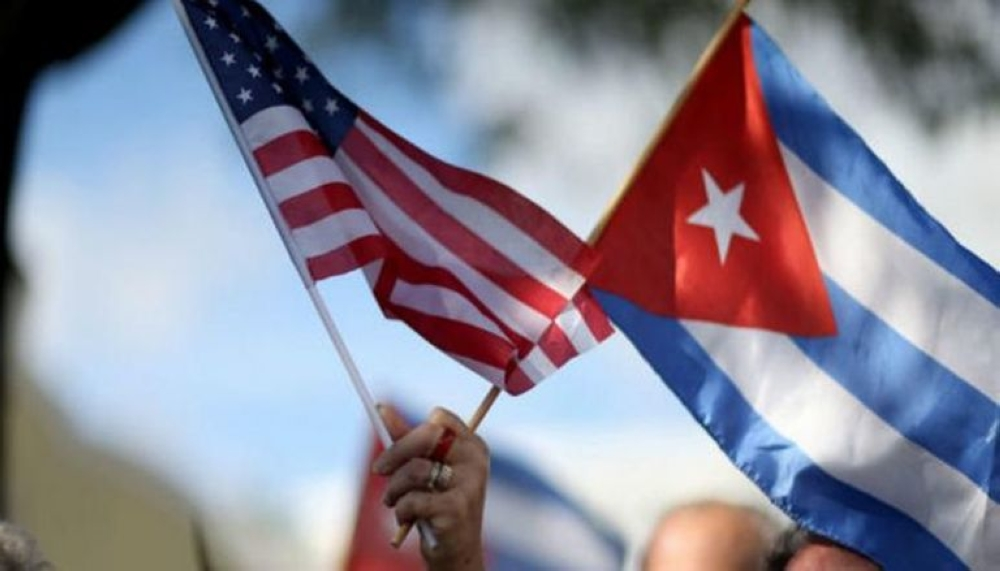
In a move reflecting the gravity of the current situation in the Caribbean and Latin America, Cuba's National Defense Commission held an emergency meeting to assess the country's war readiness. This intensified military and political activity, according to Cuban state media, comes in response to the unprecedented escalation of tensions with the United States, particularly following the dramatic events in Venezuela, namely the US-backed overthrow of Venezuelan President Nicolás Maduro.
Extraordinary meeting to address threats
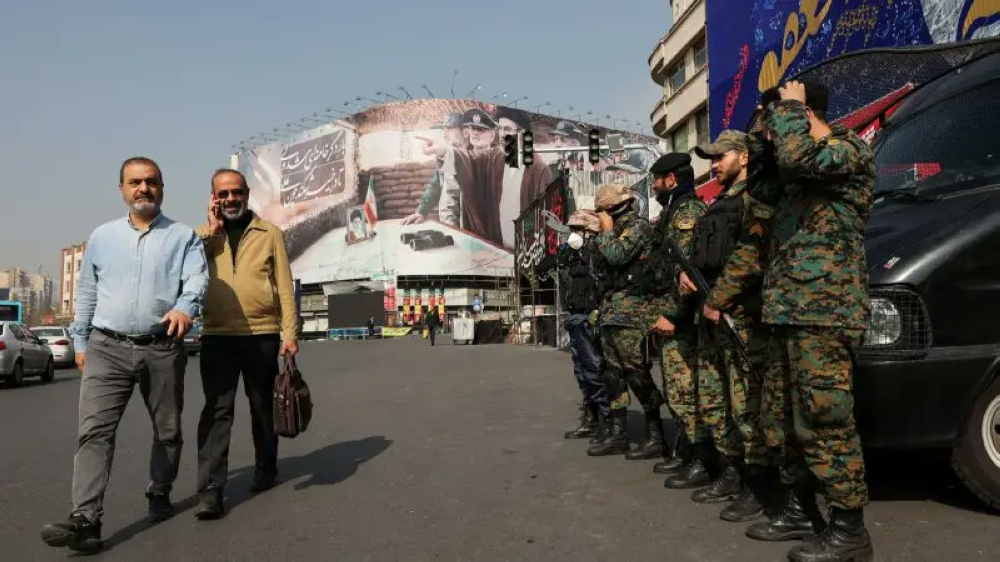
The National Defense Committee, the country's highest military and security body, assumes full control of state affairs in extreme emergencies such as war or major natural disasters. The committee's meeting last Saturday had the stated aim of "raising the level of combat readiness and strengthening the cohesion of command bodies and their personnel," according to the official statement.
The statement explained that the meeting focused primarily on "analyzing and approving the plans and measures necessary for a rapid transition to a state of war" in the event of a direct armed conflict with another country. This meeting, the first of its kind convened by the committee under President Miguel Díaz-Canel since the United States launched its military operation in Venezuela, indicates that Havana is taking the American threats seriously and preparing for dire scenarios.
Background of the conflict and the impact of Maduro's downfall
Cuba's current actions cannot be separated from the historical and geopolitical context of its relationship with Venezuela. Venezuela, especially under Hugo Chávez and later Nicolás Maduro, has long been Cuba's primary strategic ally in the region and its economic lifeline through subsidized oil supplies.
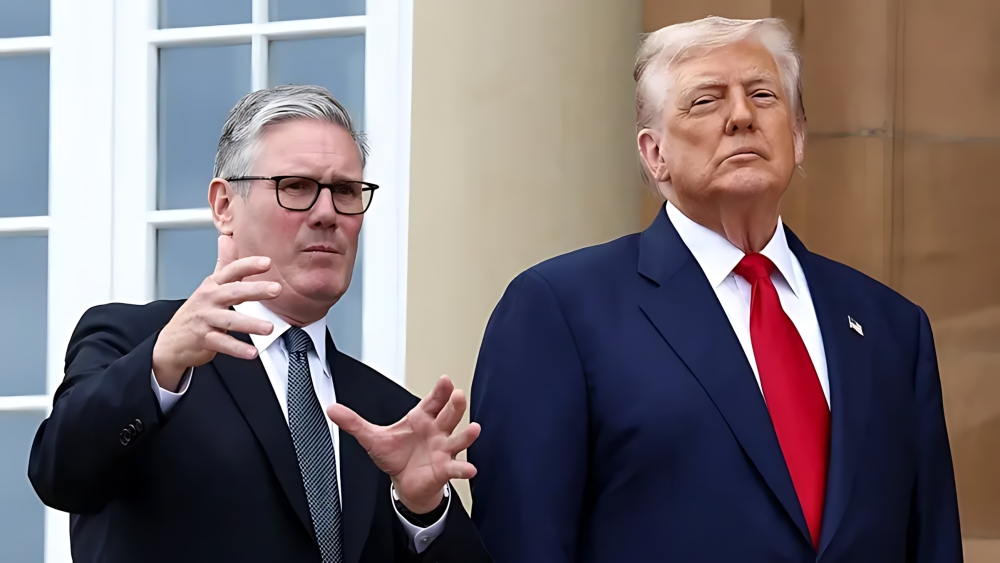
US President Donald Trump continues his policy of "maximum pressure" on Cuba, considered one of the last bastions of leftist rule in the Western Hemisphere. The situation worsened after the operation by US special forces that resulted in the capture of Maduro and his wife, Cilia Flores, an operation that left dozens dead, including 32 Cuban soldiers who were part of the Venezuelan president's security detail. Havana considered this an attack on its forces.
Economic and political repercussions
Beyond the military dimension, this conflict casts a dark shadow over Cuba's already struggling economy. The US president announced a halt to oil shipments and aid to the island after seizing control of Venezuelan oil reserves. This move is a devastating blow to the Cuban economy, as Venezuela has been Cuba's main oil supplier since 2000 under comprehensive cooperation agreements.
The disruption of Venezuelan oil supplies is expected to lead to a severe energy crisis in Cuba, potentially bringing back memories of the difficult "special period" the country experienced after the collapse of the Soviet Union in the 1990s, thus increasing internal pressure on the Cuban government.
Between escalation and diplomacy
Despite the drums of war beating, the Cuban president left the door slightly ajar for diplomatic solutions. In a speech delivered in Havana, Díaz-Canel affirmed his country's readiness to engage in dialogue with the United States, while simultaneously emphasizing its refusal to make "any political concessions" that would compromise national sovereignty.
The Cuban president stated, "We remain open to dialogue and improving relations between our two countries, but on an equal footing and based on mutual respect." He simultaneously denied Trump's claims regarding ongoing secret talks between the two sides, emphasizing that Cuba's position is clear and public.