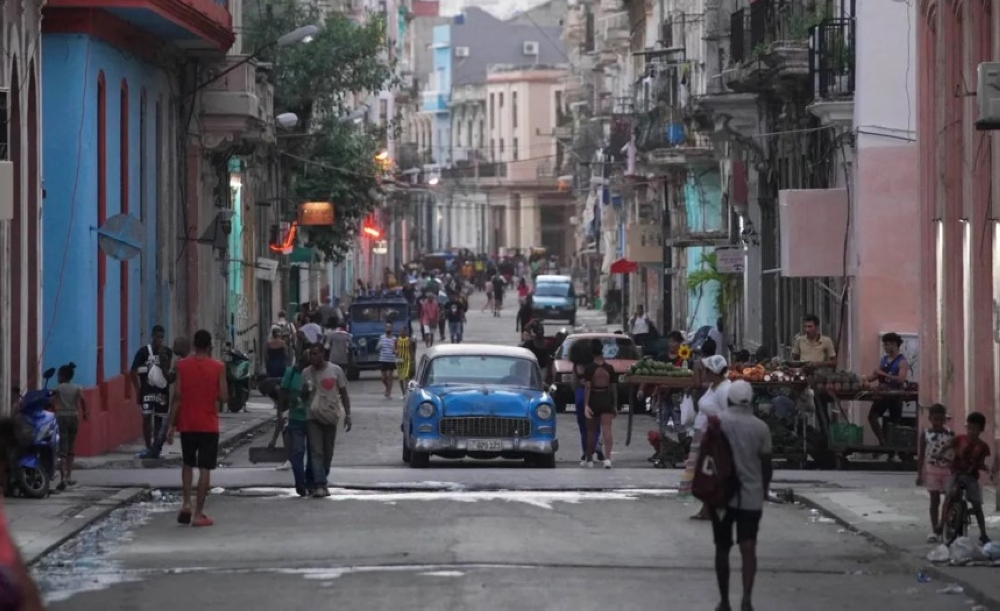
In a notable move amid escalating tensions, Cuban President Miguel Díaz-Canel announced that his country is ready to engage in dialogue with the United States, but stressed that any talks must be based on mutual respect and equality, and “without pressure or preconditions.” This statement comes as the administration of former US President Donald Trump has been imposing increasing economic and political pressure on the Caribbean island.
A historical background of tension and détente
Relations between Cuba and the United States have a long and complex history, dating back to before the Cuban Revolution of 1959. However, after Fidel Castro came to power, relations deteriorated sharply, leading Washington to impose a comprehensive economic, trade, and financial embargo on Cuba in 1962. This embargo lasted for decades, becoming the longest economic blockade in modern history. Relations saw a historic thaw under President Barack Obama, who restored diplomatic ties with Havana in 2015 and eased some travel and trade restrictions. This rapprochement, however, was short-lived, as the Trump administration reversed most of Obama's policies, reimposing and tightening sanctions, citing Cuba's support for the Venezuelan government and human rights concerns.
Escalating pressure and its impact on Cuba
In the months leading up to Díaz-Canel's statement, Washington escalated its threats against Cuba, vowing to cut off its vital oil supplies from its ally Venezuela. Cuba relies heavily on this oil to power its electricity plants and keep its already structurally troubled economy afloat. The United States threatened sanctions against any country or company that assists Cuba, attempting to isolate it and cripple its economy. These pressures have already led to severe fuel shortages and frequent power outages across large parts of the country, exacerbating the daily suffering of its citizens.
The importance of the initiative and its potential impact
Domestically, Cuba’s call for dialogue represents an attempt to open a diplomatic window that could alleviate the economic burden on its people. Regionally, the relationship between Washington and Havana directly influences the political dynamics in Latin America, particularly concerning the crisis in Venezuela. Internationally, the US embargo is viewed as unjust by the majority of the world’s nations, with the UN General Assembly voting annually by an overwhelming majority in favor of a resolution calling for its lifting. Any serious dialogue between the two countries would have broad international resonance and could encourage other parties to play a mediating role. However, Cuba’s conditions of “respect for sovereignty” and “non-interference in internal affairs” remain fundamental, principles that Havana has firmly upheld in its foreign policy for decades.