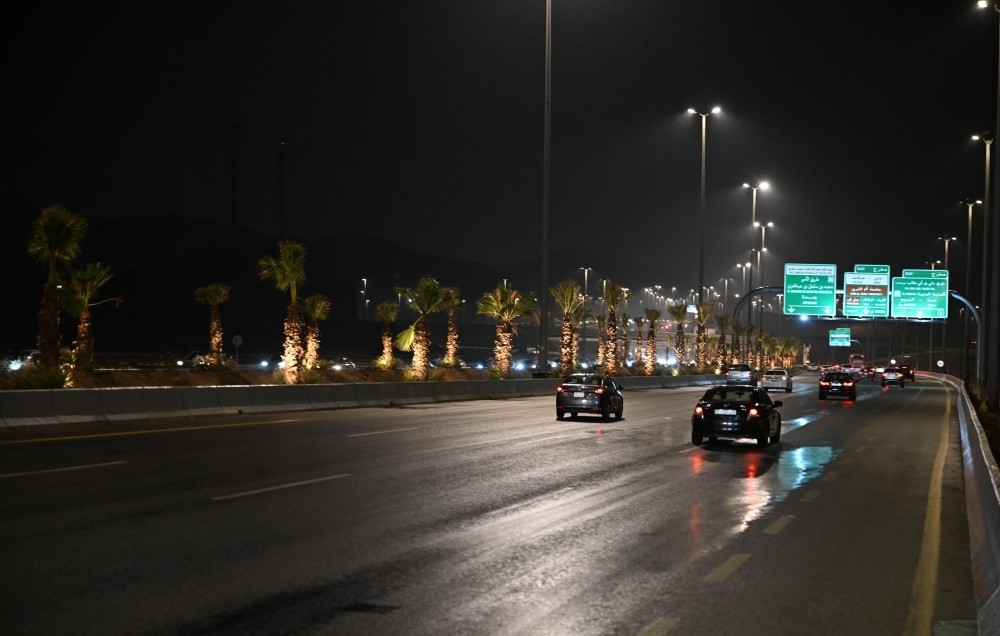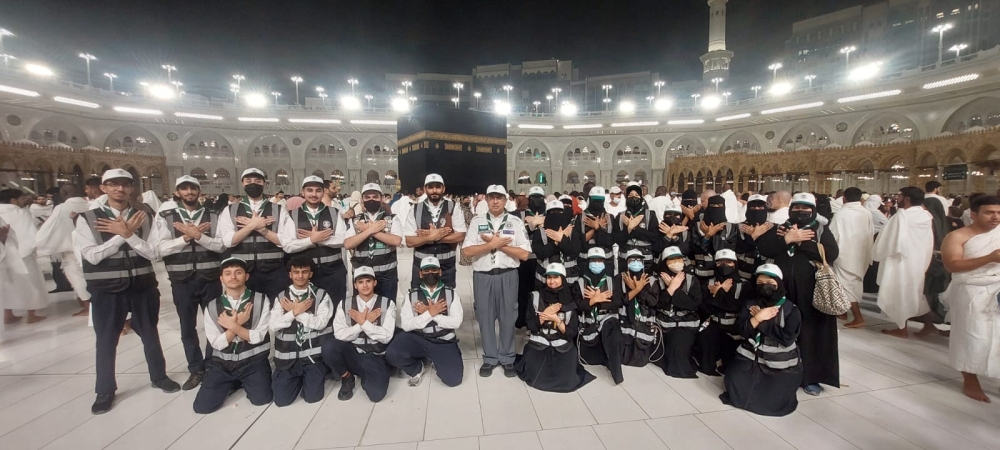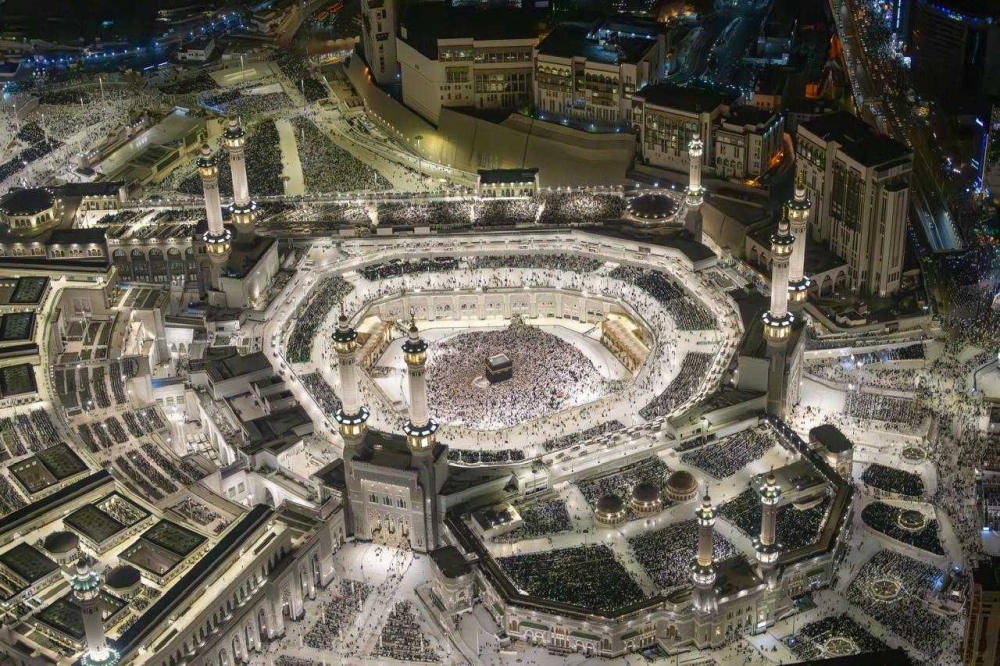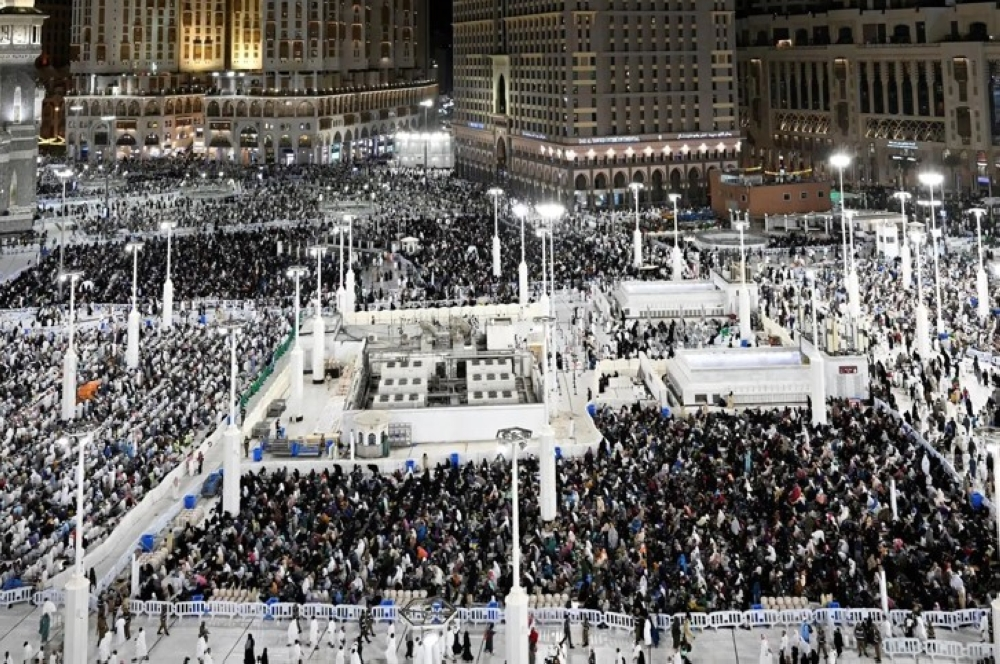
Every year, the month of Ramadan witnesses the arrival of millions of Muslims from all corners of the earth. This year, the efforts to manage the crowds at the Grand Mosque , creating a breathtakingly smooth and spiritually uplifting scene. Thanks to meticulous management and advance planning, the relevant authorities facilitated the movement of worshippers and pilgrims, allowing those visiting the Holy Mosque to perform their rituals and prayers with ease and tranquility, despite the millions filling the courtyards and arcades.
A long history of caring for the guests of God
Historically, the holy month of Ramadan has been associated with a significant increase in the number of pilgrims visiting Mecca, as the desire to perform Umrah and pray at the Holy Mosque intensifies. Over the decades, the mechanisms for managing this massive influx of people have evolved dramatically. From the first Saudi expansions to the major expansions of the modern era, the focus has not only been on increasing the built-up area but also on developing advanced strategies for managing crowd density. This historical legacy of caring for the Two Holy Mosques has made the Kingdom of Saudi Arabia a global model for managing gatherings of millions, where the latest technologies and highly trained personnel are employed to ensure the safety and comfort of visitors.
Modern mechanisms to ensure crowd control in the Grand Mosque
Modern operational plans and field services directly contribute to the successful management of crowds at the Grand Mosque . These plans rely on the precise distribution of worshippers within the courtyards and corridors, and the organization of entry and exit through designated gates and routes to prevent overcrowding. Organization and guidance efforts are integrated with the services provided by the General Authority for the Care of the Grand Mosque and the Prophet's Mosque, where thousands of employees and field teams are deployed to guide worshippers and manage crowd density according to well-planned strategies that take into account peak times, especially during the odd-numbered nights of the last ten days of Ramadan. Smart technologies and thermal imaging cameras are also employed to analyze crowd movement and direct field teams to intervene quickly when needed.
Positive effects that enhance Islamic and global leadership
The significance of this meticulous organization extends beyond the spiritual aspect and facilitating worship; it encompasses far-reaching effects at the local, regional, and international levels. Locally, this success reflects the efficiency of Saudi Arabia's infrastructure and the ability of security and service agencies to operate in perfect harmony, enhancing the quality of life and stimulating the local economy in Mecca. Regionally and internationally, the scenes broadcast by the media of the smooth flow of movement amidst millions of worshippers highlight the Kingdom's leading role in serving Islam and Muslims. This unique experience also offers practical lessons to countries around the world on how to manage massive crowds safely and securely, further solidifying the Kingdom's position as a global authority in this specialized field.
Ongoing efforts to create a safe and faith-based environment
In addition to the organizing teams, cleaning, sanitization, and preparation of prayer areas continue around the clock, enhancing the comfort of worshippers and enabling them to perform their rituals in a healthy and spiritually uplifting atmosphere. Cameras have documented the ongoing field efforts of the relevant authorities within the Grand Mosque and its courtyards, where crowds are directed along designated paths and distributed according to the capacity of the prayer areas and the circumambulation area. This coordination between the various sectors achieves the highest levels of efficiency and ensures the safety of pilgrims from the moment they arrive until their departure, maintaining the Grand Mosque as an oasis of security and peace.