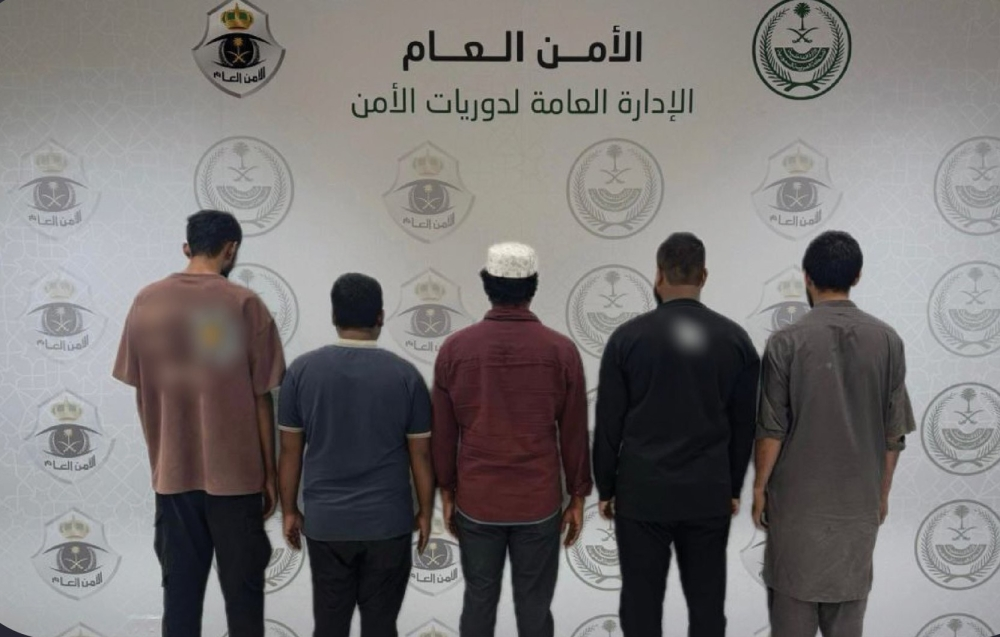
As part of ongoing efforts to enhance security and stability, and within the framework of anti-begging campaigns in Riyadh , security patrols in the capital arrested five residents involved in begging and soliciting alms from passersby through illegal means. Security authorities clarified that the detainees are of Bangladeshi and Pakistani nationalities. They were immediately apprehended, and all necessary legal procedures were initiated against them, in preparation for referring them to the competent authorities to apply the prescribed penalties.
Strategies to combat begging in Riyadh and the Kingdom
This incident comes within the context of a long history of firmness demonstrated by the Kingdom of Saudi Arabia towards the phenomenon of begging. For years, relevant authorities have worked to develop a comprehensive legislative and security system to curb this negative phenomenon. The "Anti-Begging Law," approved by the Saudi Council of Ministers, represents a qualitative leap in this area, imposing strict penalties, including imprisonment, fines, and deportation for non-Saudis, on anyone who engages in, manages, or encourages begging. Security forces are intensifying anti-begging campaigns in Riyadh and various regions of the Kingdom to ensure the eradication of these practices, which tarnish the civilized image of the country and exploit the compassion of society.
The importance of directing donations through official and trusted platforms
In conjunction with these security efforts, Public Security reiterated its ongoing call to citizens and residents to exercise caution and refrain from giving to beggars in the streets or public places. Public Security also urged all donors to direct their charitable donations and contributions through official and approved platforms in the Kingdom, such as the national “Ihsan” platform for charitable work, and other trusted government channels. Adherence to these guidelines ensures that funds reach their intended beneficiaries among needy and impoverished families, and prevents the exploitation of Zakat and Sadaqah funds by organized begging gangs who might use these funds for suspicious or illegal activities.
The security and social impact of the Ministry of Interior's efforts
These ongoing enforcement efforts are of paramount importance and have a far-reaching positive impact at both the local and regional levels. Locally, these decisive measures contribute to enhancing the sense of security among citizens and residents, eliminating visual pollution in streets and public spaces, and protecting society from fraud and scams associated with begging. Regionally and internationally, the Kingdom presents a leading model in the governance of charitable work and in cutting off sources of illicit funding. Organized begging is often linked to transnational networks that may be involved in money laundering or human trafficking, and by rigorously addressing this phenomenon, the Kingdom contributes to strengthening regional and international security and protecting the economy from illicit financial flows.
In conclusion, the Ministry of Interior, represented by the Public Security Directorate, affirms that its campaigns will continue relentlessly to apprehend anyone who dares to violate the regulations. Public awareness remains the first line of defense in ensuring the success of these efforts, through reporting cases of begging and directing charitable donations toward the appropriate channels that build and support society.