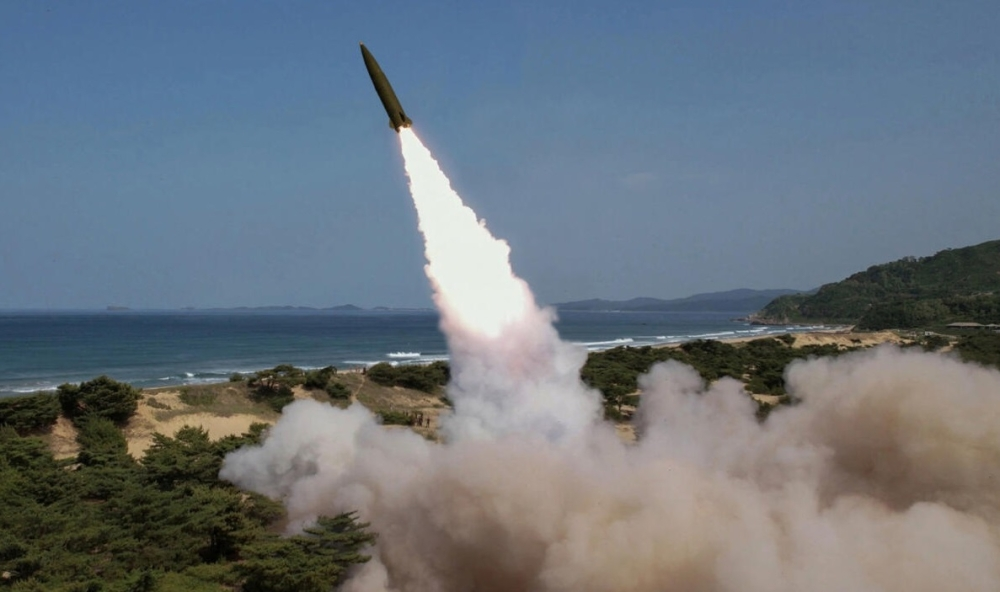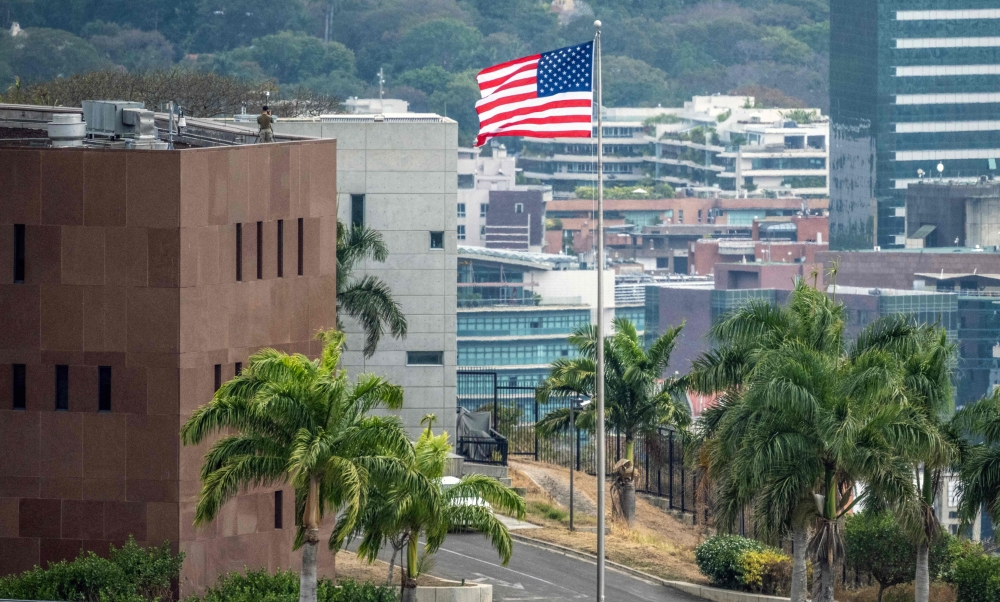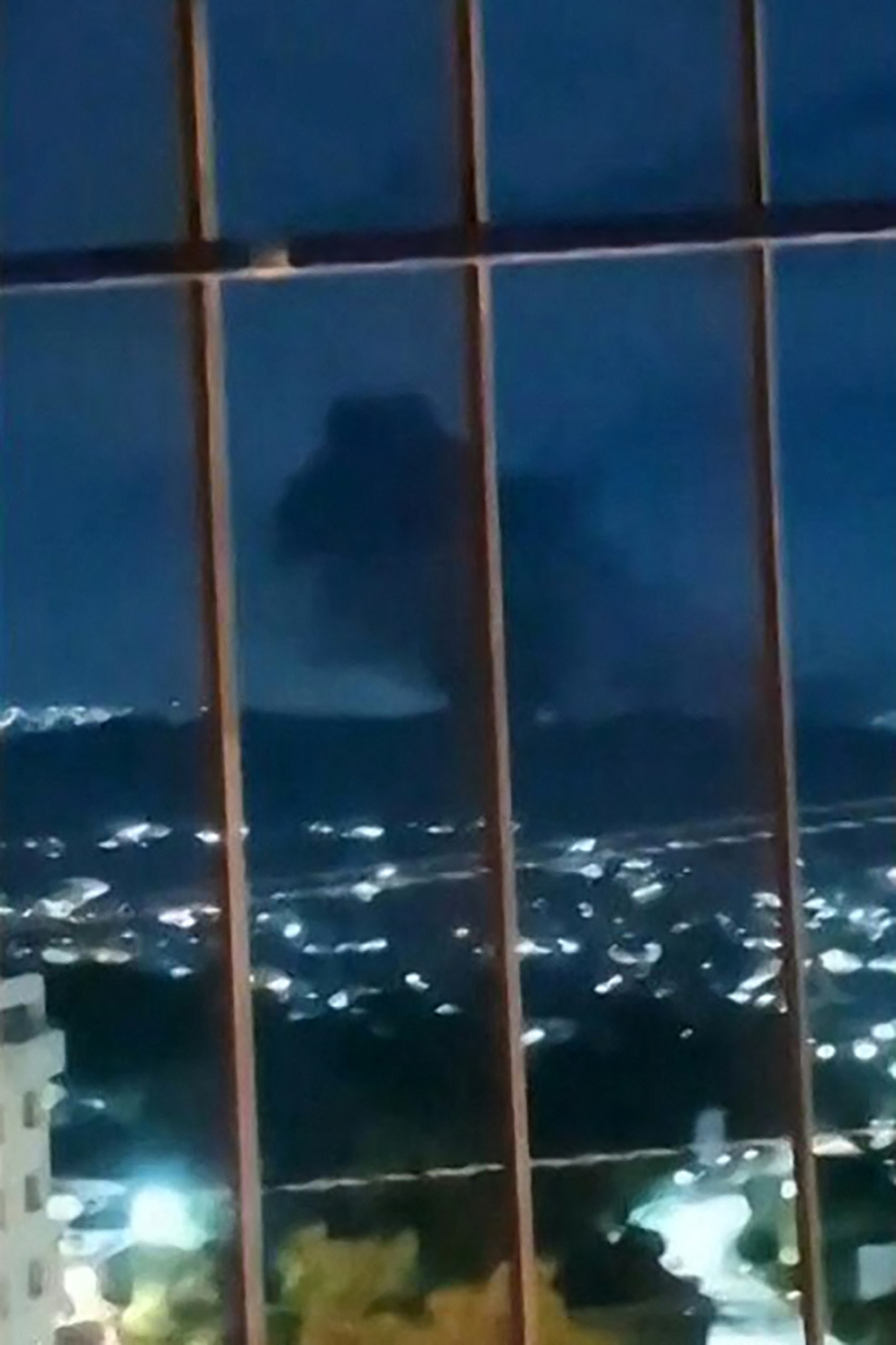
Colombian President Gustavo Petro strongly condemned what he called a "missile" attack targeting the Venezuelan capital, Caracas, following reports of loud explosions that shook the city. This stance reinforces the close political alliance between Bogotá and Caracas amid escalating tensions in the region.
In a swift reaction via the social media platform “X” (formerly Twitter), the Colombian president stated categorically: “They attacked Venezuela,” thus adopting the narrative presented by the Venezuelan government led by Nicolas Maduro, who in turn quickly pointed the finger at the United States of America, describing what happened as a “military aggression” targeting his country’s sovereignty and stability.
Calls for immediate international action
Petro did not stop at issuing a statement of condemnation; he also called for concrete diplomatic action at the international level. The Colombian president urged an immediate emergency meeting of the Organization of American States (OAS) and the United Nations Security Council. This move aims to discuss what he termed the "legitimacy" of this aggression and to examine its serious repercussions for peace and security in Latin America, warning that international silence could be interpreted as a green light for further escalation.
Context of Colombian-Venezuelan relations
Gustavo Petro's statements take on particular significance given the radical shift in relations between the two neighboring countries. Since taking office as the first leftist president in modern Colombian history, Petro has worked diligently to normalize diplomatic and trade relations with Venezuela, ending years of estrangement and hostility that characterized the presidency of his predecessor, Iván Duque. Bogotá now views Venezuela's stability as an integral part of its national security, especially given the long shared border and overlapping security and economic challenges.
Regional and international dimensions
This incident further complicates the geopolitical landscape in South America, where the region is experiencing sharp polarization between leftist governments and US policies. Observers believe that Petro's call for international intervention is an attempt to shift the crisis from its bilateral (Venezuela-US) framework to the arena of international law, in an effort to protect his ally Maduro and avert the chaotic scenarios that could result from any large-scale military action, which would primarily affect Colombia through waves of refugees and border tensions.