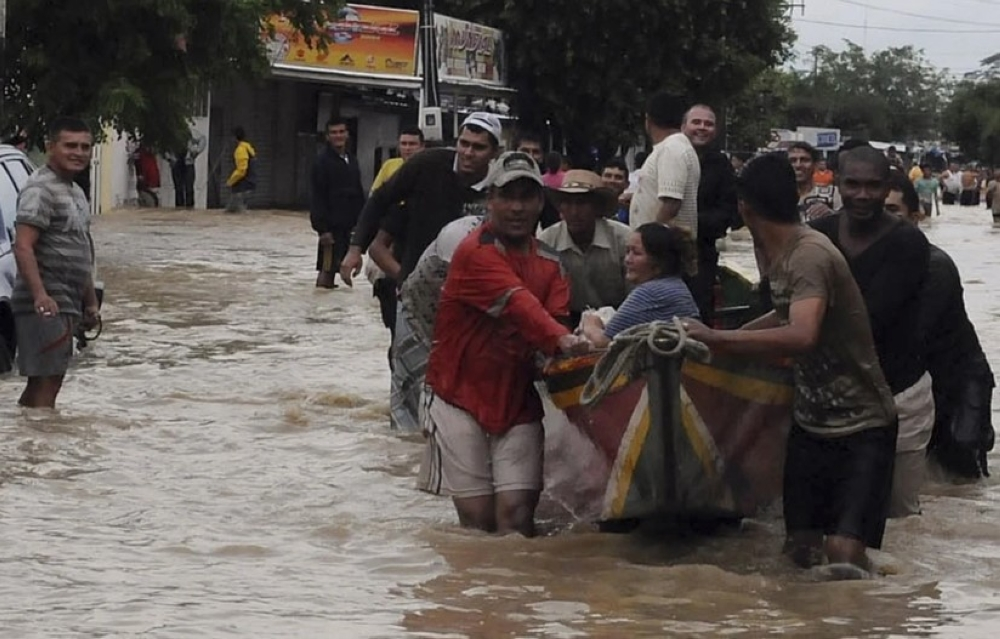
State of emergency declared in Colombia
The Colombian government has declared a state of emergency in several northern regions of the country following devastating floods caused by unprecedented torrential rains. The natural disaster has left at least 18 people dead, displaced tens of thousands, and caused extensive damage to infrastructure and property. President Gustavo Petro issued a decree declaring a 30-day state of emergency, granting the government exceptional powers to urgently allocate funds from the national budget to the affected areas without the usual congressional legislative process, in order to expedite relief and rescue operations.
The climatic and geographical context of the disaster
Colombia is located in a geographical region that makes it vulnerable to extreme weather events. The country is directly affected by the La Niña climate phenomenon, which cools the surface waters of the Pacific Ocean, leading to increased rainfall across large parts of South America, including Colombia. Historically, the country has experienced devastating floods during strong La Niña years, such as those of 2010-2011. Experts believe that global climate change is exacerbating these events, making rainy seasons more intense and unpredictable, thus increasing the risk of floods and landslides, particularly in mountainous and coastal areas.
The extent of the losses and expected impacts
The greatest damage was concentrated in eight provinces, most of which are located in the Caribbean, including Córdoba, a major center for cattle ranching and agriculture. According to official reports, more than 4,300 homes were flooded, and some 300,000 hectares of farmland and pasture were damaged. The local cattle ranchers' association reported the deaths of more than 1,200 head of cattle, a devastating blow to the local economy, which is heavily reliant on the sector. On a humanitarian level, the floods displaced more than 150,000 people in Córdoba province alone, leaving them homeless after their houses were completely submerged.
Regional and international importance and implications
The repercussions of this disaster extend far beyond local borders, highlighting the vulnerability of developing countries to climate change. Regionally, these floods underscore the urgent need for enhanced cooperation among Latin American countries in disaster management and the sharing of expertise to address shared climate challenges. Internationally, these events place pressure on the international community to provide immediate humanitarian assistance and support reconstruction efforts. They also serve as a stark reminder of the importance of adhering to global climate agreements, such as the Paris Agreement, and the necessity of supporting the most affected countries in building their resilience to an increasingly extreme climate reality.