في ليلة الثلاثين من أكتوبر عام 2015، تحولت أمسية موسيقية صاخبة في نادي “كوليكتيف” الليلي بالعاصمة الرومانية بوخارست إلى واحدة من أسوأ المآسي في تاريخ البلاد الحديث. حريق مروع اندلع بسبب الألعاب النارية المستخدمة في عرض فني، وانتشر بسرعة هائلة عبر مواد عازلة للصوت قابلة للاشتعال، ليحاصر مئات الشبان ويخلف وراءه دمارًا هائلاً وعشرات الضحايا، في حادثة لم تهز رومانيا فحسب، بل كشفت عن عمق الفساد المستشري وأدت في النهاية إلى سقوط الحكومة.
السياق العام: ليلة تحولت إلى كارثة
كان نادي “كوليكتيف” يقع في مصنع أحذية سابق، وهو مكان شهير لدى الشباب في بوخارست. في تلك الليلة المشؤومة، استضاف النادي حفلًا مجانيًا لفرقة الميتال “Goodbye to Gravity” لإطلاق ألبومها الجديد. اجتذب الحدث ما يقدر بنحو 400 شخص، وهو عدد يفوق بكثير السعة الآمنة للمكان الذي كان يحتوي على مخرج طوارئ واحد فقط. تفاقمت الكارثة بسبب تغطية أعمدة وأسقف المكان بمادة البولي يوريثان الرغوية العازلة للصوت، وهي مادة شديدة الاشتعال وغير معالجة ضد الحرائق، وهو ما شكل انتهاكًا صارخًا لمعايير السلامة الأساسية التي تم التغاضي عنها بسبب الفساد الإداري.
تفاصيل الحادث المروع
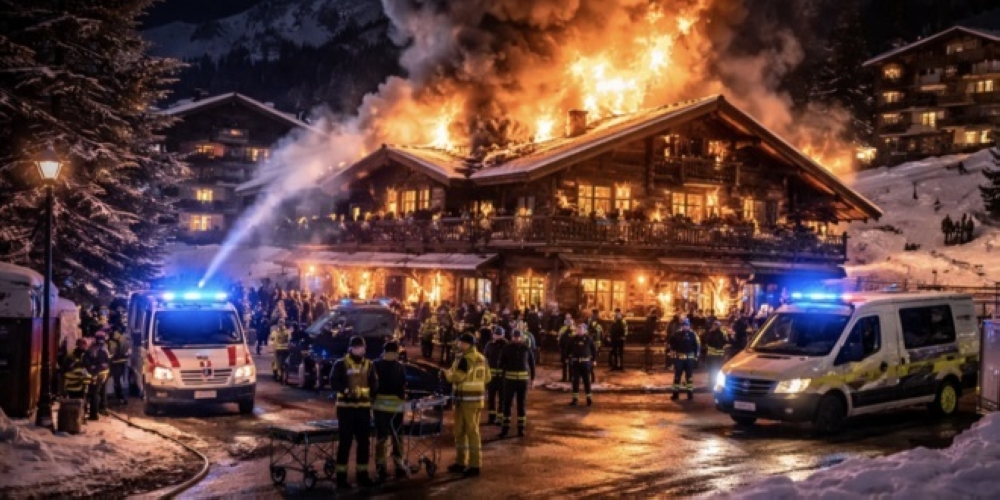
بدأت المأساة عندما أُطلقت ألعاب نارية (شموع شرارية) كجزء من العرض المسرحي للفرقة. تطاير الشرر ليصيب أحد الأعمدة المغطاة بالرغوة العازلة، مما أدى إلى اشتعالها فورًا. في غضون 22 ثانية فقط، امتدت ألسنة اللهب إلى السقف بأكمله، وتساقطت قطع محترقة من المادة المنصهرة على الجمهور المذعور. انقطعت الكهرباء، وعم الظلام والفوضى المكان، بينما تدافع المئات نحو المخرج الوحيد المتاح، مما أدى إلى سحق العديد منهم في التدافع المميت.
الأثر المدمر: خسائر بشرية وتداعيات سياسية
كانت العواقب وخيمة. توفي 27 شخصًا في موقع الحادث، لكن المأساة لم تنتهِ عند هذا الحد. نُقل أكثر من 180 مصابًا إلى المستشفيات بحروق شديدة وإصابات ناجمة عن استنشاق الدخان السام. خلال الأسابيع التالية، ارتفع عدد الوفيات بشكل مأساوي ليصل إلى 64 شخصًا، حيث توفي العديد من الجرحى متأثرين بإصاباتهم أو بسبب العدوى البكتيرية التي أصابتهم في المستشفيات التي كانت تفتقر للتجهيزات اللازمة للتعامل مع هذا الكم من حالات الحروق الخطيرة.
أثار الحريق موجة غضب شعبي عارمة في جميع أنحاء رومانيا. خرج عشرات الآلاف من المتظاهرين إلى الشوارع في بوخارست ومدن أخرى، ليس فقط حزنًا على الضحايا، بل احتجاجًا على الفساد والإهمال الحكومي. تحت شعار “الفساد يقتل” (#CorupțiaUcide)، طالب المحتجون بمحاسبة المسؤولين. وأمام الضغط الشعبي الهائل، أعلن رئيس الوزراء آنذاك، فيكتور بونتا، استقالته وحكومته في 4 نوفمبر 2015، في حدث سياسي نادر شكل نقطة تحول في الوعي العام تجاه الفساد في رومانيا. لم تكن المأساة مجرد حريق، بل كانت الشرارة التي كشفت عن مرض مزمن في جسد الدولة وأجبرت المجتمع على مواجهته.