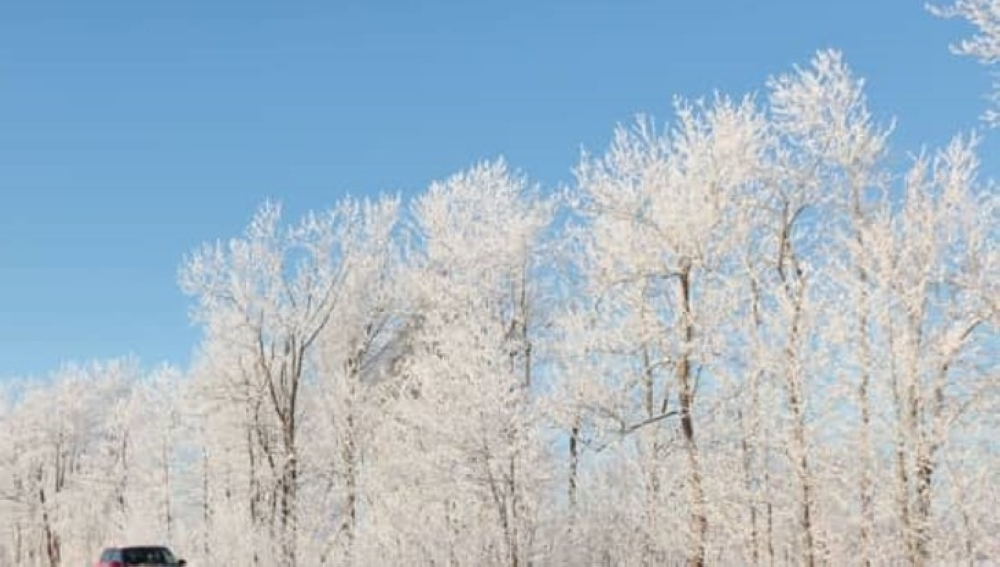
South Korea's Meteorological Administration issued an urgent official warning for a severe cold wave sweeping across much of the country, beginning Friday. The warning comes amid a sharp and sudden drop in temperatures, caused by the arrival of cold air masses and strong northwesterly winds, transforming late autumn weather into harsh winter conditions within a few hours.
Details of the temperature drop and affected areas
The agency explained that the cold alert covers the capital, Seoul, and its surrounding areas, as well as the eastern province of Gangwon, North Chungcheong Province in the central part of the country, and other scattered regions. Temperatures this morning recorded a significant drop, reaching as low as -10 degrees Celsius in some mountainous and inland areas, prompting the heightened frost warning.
As for the expected maximum temperatures during the daytime, they are likely not to exceed 4 degrees Celsius above zero at best, while in other areas they will remain around 5 degrees below zero, which means that the atmosphere will remain frozen almost all day.
Snow and rain forecast
The weather is not only cold, but forecasts also indicate rain or snow in western coastal areas, including South Chungcheong Province and North Jeolla Province. Weather maps suggest the possibility of snow accumulations of 2 to 7 centimeters across the wider Jeolla region through Saturday.
In the island regions, the situation is expected to be more severe, with snow depths expected to range between 5 and 10 centimeters on the southern tourist island of Jeju, and the eastern islands of Ulong and Dokdo, which may affect navigation and tourism in those areas.
Climate context and the effects of the cold wave
These cold waves are part of the typical winter climate of the Korean Peninsula, which is directly influenced by the Siberian continental high-pressure system. Dry, cold northwesterly winds usually bring sharp drops in temperature, a phenomenon that occurs annually, although its intensity and timing can vary.
This cold snap is expected to directly impact daily life, increasing the need for energy for heating. Authorities are also raising their preparedness levels to deal with icy roads that could cause traffic accidents. Health officials are urging citizens and tourists to wear warm clothing and take precautions, especially the elderly and children, to avoid cold-related illnesses such as influenza and hypothermia. They are also emphasizing the need to protect water pipes and crops from freezing damage.