The National Center for Meteorology in Saudi Arabia issued an important alert for residents of the Northern Borders region, warning of a strong cold wave that will cause a significant and sharp drop in temperatures. According to the center's report, the effects of this weather system will begin tomorrow, Wednesday, and continue until the end of the week, urging citizens and residents to take precautions.
Weather details and temperature forecast
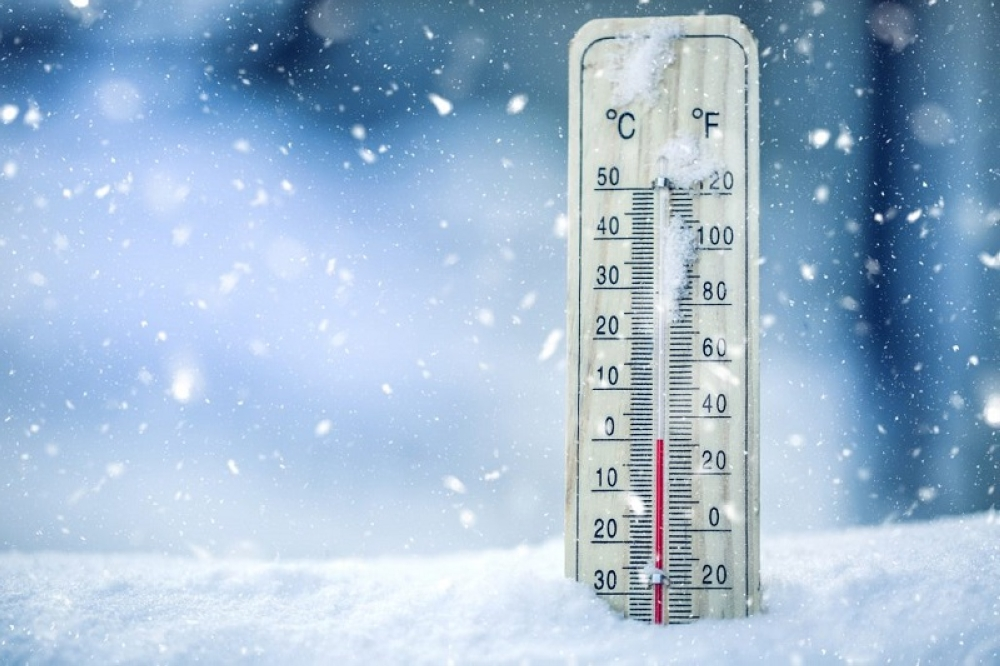
The center's forecast indicates a significant drop in minimum temperatures, ranging from 3 degrees Celsius to -1 degree Celsius, meaning frost is expected in the early morning hours and in open areas. This cold snap is part of the typical weather fluctuations for this time of year, as cold air masses begin to move northward across the Kingdom.
Geographical and climatic context of the region
The Northern Borders region, which includes major cities such as Arar, Tarif, and Rafha, is considered the northern gateway to Saudi Arabia for polar waves and cold air masses originating from the Levant, Europe, and Siberia. Historically, this region experiences the lowest temperatures in the Kingdom during winter, with Tarif having previously recorded record low temperatures for the Arabian Peninsula. This geographical nature makes the region vulnerable to severe cold waves, requiring special preparations from residents and service providers.
Expected effects and safety measures
As temperatures plummet to freezing levels, the need to adhere to public safety guidelines emphasized by the National Center of Meteorology becomes even more critical. Among the most important of these measures is the necessity of exercising caution when using traditional heating methods such as coal and firewood, or electric and gas heaters, to ensure proper ventilation of enclosed spaces and prevent incidents of suffocation or fires, which become more frequent with the onset of cold weather. Drivers are also advised to exercise caution on highways in case of fog or frost, which can affect horizontal visibility and tire grip.
The importance of continuous monitoring
Weather experts confirm that such weather systems could also affect the livestock and agricultural sectors in the region, requiring farmers and livestock breeders to secure adequate heating and protection for their property. The National Center of Meteorology plays a pivotal role in providing proactive information that helps relevant authorities and individuals plan ahead and avoid potential risks, urging everyone to follow daily reports through official platforms to stay informed of any weather updates.