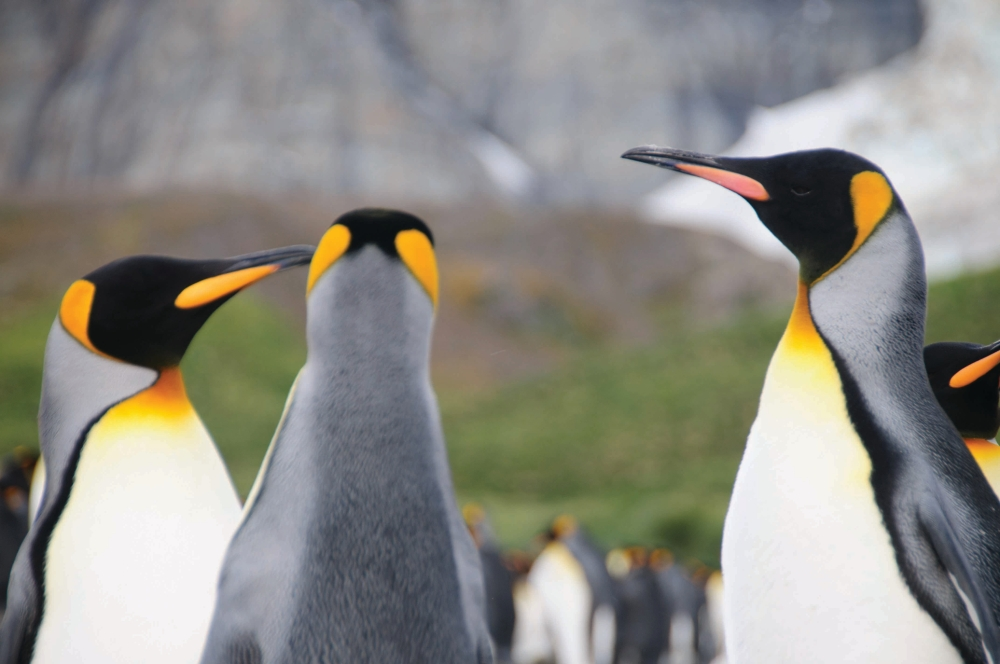
A comprehensive scientific study, spanning a decade, has revealed alarming behavioral shifts among Antarctic penguins. Scientists observed that these birds began mating up to two weeks earlier than their usual biological mating season. This drastic change is directly attributed to the effects of climate change and rising global temperatures, which have impacted the coldest continent on Earth.
Study details and monitoring methodology
The British news agency PA Media reported on research conducted by a team of specialists from Oxford and Oxford Brookes Universities. The study relied on precise monitoring techniques using dozens of time-lapse cameras installed in 37 nature reserves on the Antarctic Peninsula and surrounding islands. The monitoring period covered ten years, from 2012 to 2022, and focused specifically on three main species: the Adélie penguin, the Gentoo penguin, and the bridled penguin.
Environmental context: Why does the timing change?
To understand the magnitude of this event, one must consider the overall environmental context of Antarctica. The Antarctic Peninsula is one of the fastest-warming regions on Earth. Historically, the life cycles of polar organisms have been inextricably linked to the glacial seasons. As temperatures rise, snow melts from nesting areas earlier than usual, giving penguins a false ecological signal that the breeding season has arrived. Researchers have confirmed that the average date for egg-laying in nests located on snow-free land has advanced at what they describe as "record-breaking" and "unprecedented" rates.
Risks of asynchronization and collapse of the food chain
The danger isn't simply a change in timing; it extends to an existential threat to these creatures. Scientists warn that this earlier hatching could lead to what's known as "ecological asynchrony," where chicks hatch before marine food sources (such as krill and small fish) have reached their peak abundance. This situation forces the birds into fierce competition for survival, threatening severe food shortages and increased mortality rates among the young.
far-reaching effects
Penguins are considered a vital indicator of the health of the Antarctic marine ecosystem. Researchers have pointed out that these behavioral disturbances increase the risk of "large-scale ecosystem collapse." Changes at the top or middle of the food chain reflect a profound imbalance in the continent's natural ecosystem, making the findings of this study a global alarm bell that calls for intensified efforts to address the climate crisis before it's too late.