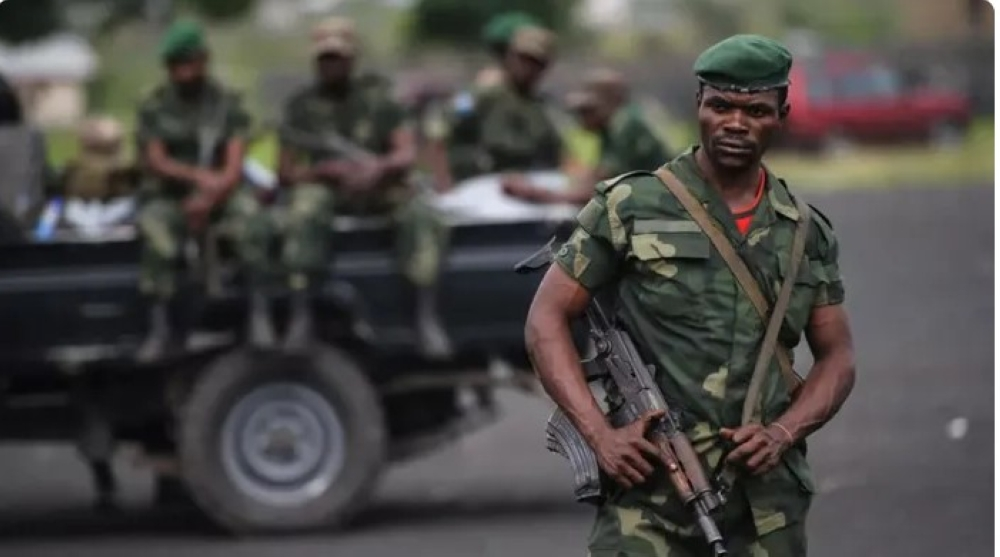
Violence has reignited in eastern Democratic Republic of Congo, with fierce clashes erupting on Monday between M23 rebels and the local Wazalindo militia, loyal to the Kinshasa government. These confrontations took place on the outskirts of the strategic city of Uvira, just days after the Rwandan-backed rebel group announced its withdrawal from the area, casting serious doubt on the commitment to de-escalation.
Local sources and eyewitnesses told AFP that the situation on the ground was extremely tense. Mafikiri Mashimango, head of one of the leading civil society organizations in Uvira, stated that gunfire could be clearly heard throughout the city, confirming direct clashes between M23 forces and the self-defense groups known as Wazalindo. This escalation has brought daily life to a standstill, with businesses closed and residents staying indoors for fear of indiscriminate shelling.
The strategic importance of the city of Oviero
The fighting in Uvira is of particular importance due to the city's strategic location on the shores of Lake Tanganyika. It is the second most important city in South Kivu province after the capital, Bukavu. Current clashes are concentrated in the hills and southern and southwestern districts, extending to the outskirts of the port of Kalondo, a vital economic artery for the region. Observers fear that control of this area could cut off supply routes and isolate large parts of eastern Congo, exacerbating the humanitarian and economic crisis in the troubled province.
Background of the conflict and international interventions
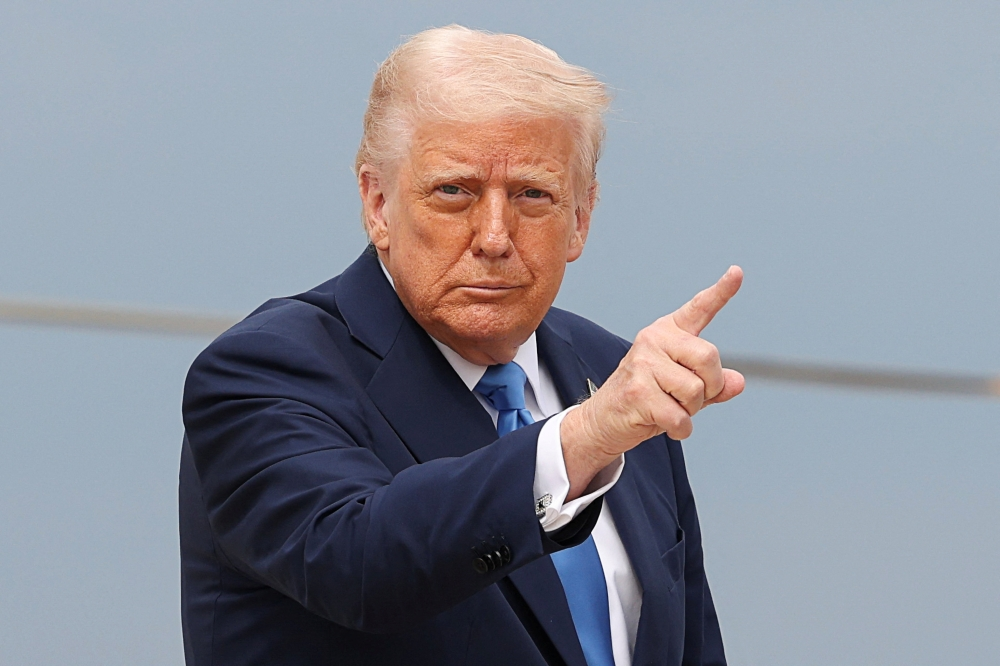
This military escalation comes at a critical time for the region. After the M23 movement seized key cities such as Goma in January and Bukavu in February, it continued its advance toward South Kivu province, which borders Burundi. This development on the ground coincides with intensive diplomatic efforts, as the Democratic Republic of Congo and Rwanda recently signed a peace agreement in Washington, D.C., brokered by U.S. President Donald Trump, aimed at ending hostilities and de-escalating tensions between the two neighbors.
Doubts surrounding the withdrawal and the humanitarian situation
Despite the movement's announcement on Wednesday that it had begun withdrawing its forces from Uvira in response to US demands, the situation on the ground tells a different story. Security and local sources confirmed that some members of the movement remain in the area, noting that some have resorted to wearing civilian clothes to disguise themselves and stay within residential neighborhoods. Amidst the exchange of accusations between the Congolese army and the rebels regarding responsibility for the shelling, civilians are paying the heaviest price. Residents of the Mulungwe area reported that shells landed near their homes, raising the specter of a new wave of displacement, adding to the decades-long tragedies of eastern Congo.