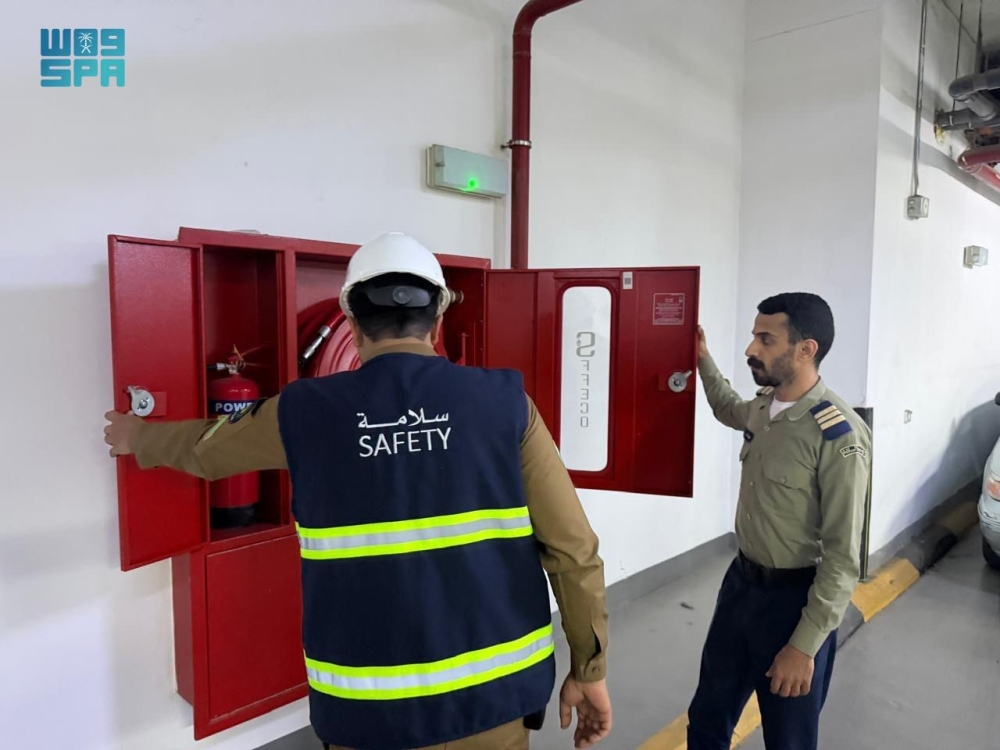
The Ministry of Interior, represented by the General Directorate of Civil Defense in Saudi Arabia, issued the rules regulating the work of the committees for considering objections to civil defense violations , in a step aimed at promoting the principles of justice and transparency, and ensuring the rights of individuals and establishments through precise institutional procedures that allow violators to formally appeal within a specified period of thirty days.
A qualitative leap in the governance of safety procedures
This decision comes within a comprehensive regulatory framework aligned with the objectives of the Kingdom's Vision 2030, which focuses on public sector governance and enhancing institutional performance. This step represents a fundamental shift from individual procedures to organized institutional action, as the new rules aim to institutionalize the process for appealing violations, thus ensuring the impartiality and accuracy of decisions. This approach reflects the state's commitment to developing the legislative and regulatory environment related to the safety of lives and property, and ensuring that penalties serve to promote compliance rather than simply being a revenue-generating tool.
Mechanism for submitting objections to civil defense violations
According to the approved regulations, individuals and establishments have the right to formally file objections within thirty days of being notified of the violation decision. The new mechanism is characterized by its speed and efficiency, as the objection is immediately registered through the available channels at the directorate, and the objector is notified accordingly. The committee secretariat verifies that the formal and substantive requirements of the application are met within five working days. If any documents are missing, the objector is granted an additional period of the same duration to complete them, reflecting the system's flexibility and its commitment to ensuring that the right to object is not lost due to minor procedural issues.
Committee formation and guarantees of independence
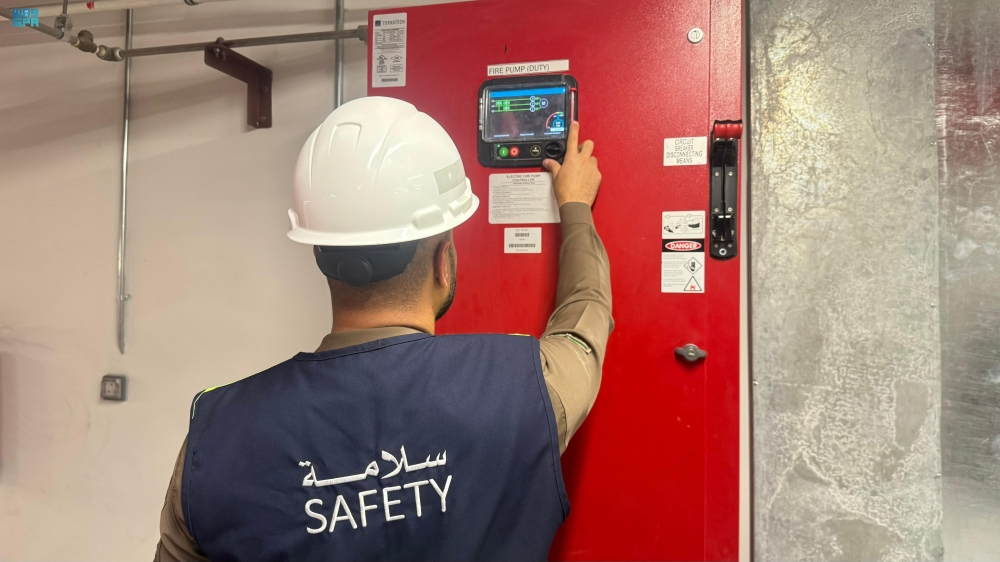
The regulations stipulate that review committees be formed by a decision of the Minister of the Interior or his designee. Each committee must consist of a minimum of five members, who are required to be completely independent of the authorities that recorded the violations. This separation between the enforcement body and the reviewing authority is a fundamental pillar for achieving swift justice. The committee is obligated to issue its decision within fifteen days of the application being complete, with the possibility of a single extension of no more than ten days, provided that the extension is justified. This prevents delays in adjudicating cases.
Economic impact and strengthening the business environment
Regulating the procedures for appealing civil defense violations has significant economic dimensions, as it contributes to enhancing investor and business owner confidence in the Kingdom's regulatory environment. The existence of clear and transparent channels for appeals protects establishments from any potential abuse and ensures business continuity. Furthermore, allowing for the temporary suspension of penalty enforcement upon the appellant's request—if it is determined that enforcement would cause them irreparable harm—provides a strong guarantee for the stability of economic entities, except in cases related to fraud or a direct threat to public health.
Transparency and the right of access to justice
To uphold the principle of transparency, the rules grant the appellant the right to access their file related to the objection and obtain copies of the documents. They also allow them to seek assistance from accredited experts to support their position. If the committee rejects the objection, or deems it implicitly rejected due to failure to issue a ruling within the prescribed timeframe, the appellant retains the right to escalate their case to the Board of Grievances, thus completing the cycle of justice and subjecting the committee's decisions to judicial review.