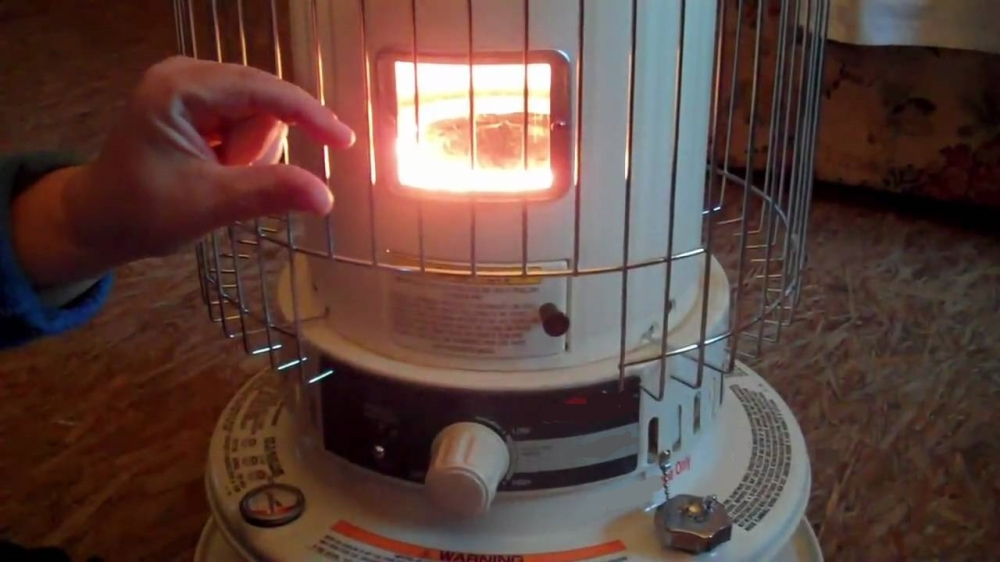
With the arrival of winter and the drop in temperatures across Saudi Arabia, citizens and residents increasingly rely on various heating methods, most notably kerosene heaters . In this context, the General Directorate of Civil Defense has reiterated its warnings and guidelines to ensure the safe use of these devices, emphasizing the importance of adhering to safety regulations to avoid unfortunate household accidents that may result from misuse.
Four safety precautions when using a kerosene heater
The General Directorate of Civil Defense emphasized the importance of following four key preventive measures when dealing with kerosene heaters, which are:
- Fueling outdoors: The heater should be fueled outdoors to avoid inhaling harmful fumes or a fire breaking out as a result of fuel spillage inside enclosed rooms.
- Protecting children: Emphasize preventing children from approaching or tampering with the heater, as burns and heater falls are among the most common accidents among young children.
- Turning off the heater when going to sleep or leaving: It is essential to turn off the heater completely when leaving the house or before going to sleep to avoid the risks of suffocation or fires while unattended.
- Safe location: Place the heater in a safe and stable location, away from narrow passageways and flammable furniture such as curtains and upholstery.
The dangers of traditional heating and the importance of ventilation
These warnings come as part of ongoing efforts by relevant authorities to raise awareness about the dangers of traditional heating methods. It is scientifically established that using kerosene or coal heaters in enclosed spaces without proper ventilation leads to oxygen depletion and the emission of carbon monoxide. This gas is known as the "silent killer" because it is colorless and odorless, and inhaling large quantities of it while sleeping can cause unconsciousness and death by asphyxiation without the victim realizing it.
Therefore, it is always advisable to leave a small part of the windows open to ensure air circulation inside the room, and not to rely entirely on continuous heating throughout the night in tightly sealed rooms.
Emergency and contact numbers
The directorate urged everyone to follow the safety guidelines that are published regularly through official media outlets and social media platforms. In case of emergency, God forbid, the unified numbers should be contacted immediately for assistance
- The number (911) is available in the following regions: Riyadh, Makkah, Madinah, and the Eastern Province.
- The number (998) in the rest of the regions of the Kingdom.