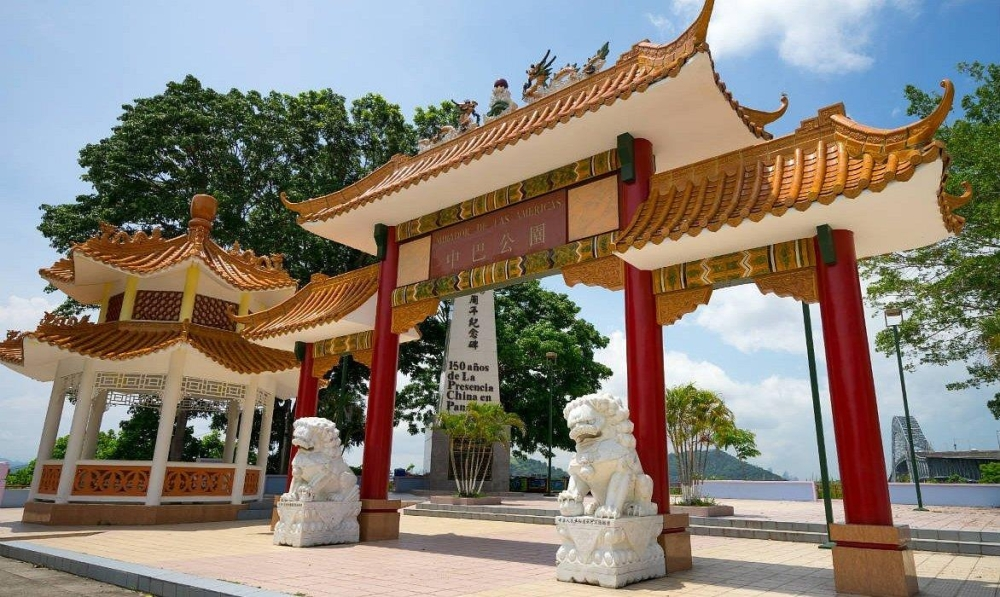
Diplomatic relations in Central America have been unexpectedly strained following the demolition by local authorities in the municipality of Araichan of a Chinese monument located at the eastern entrance to the strategic Panama Canal. The demolition, ordered by the local mayor, targeted a traditional Chinese gate erected in 2004 on the Bridge of the Americas, the massive metal structure spanning the canal and a vital artery for traffic.
The municipality justified its decision in an official statement, claiming that the monument, which symbolizes the historic friendship between the Chinese and Panamanian peoples, had suffered serious structural damage that posed a threat to public safety. However, this justification was met with staunch rejection from the highest levels of government in the country. Panamanian President José Raúl Molino described the incident as an “unjustifiable barbaric act” and an “irrational and unforgivable deed,” demanding an immediate and thorough investigation into the destruction of the monument, which also included two lion statues and an obelisk that still stood.
Chinese anger and fears of deteriorating relations
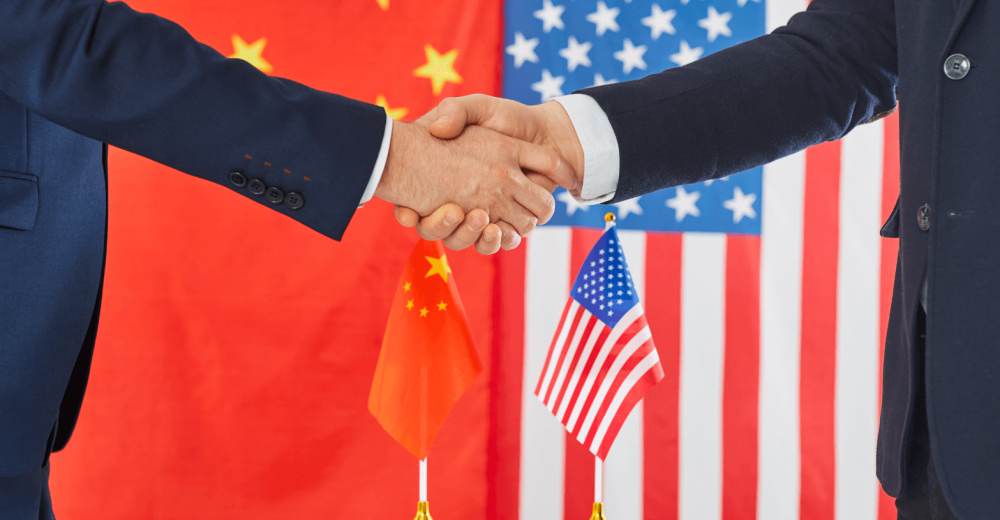
For its part, the Chinese Embassy in Panama expressed its strong displeasure. Ambassador Xu Xueyuan described the incident as a “dark day” in the history of the approximately 300,000-strong Chinese-Panamanian community, asserting that “history will remember this act,” which damages the symbolic friendship between the two countries. This incident comes at a highly sensitive time, as geopolitical competition between the United States and China intensifies in Latin America.
Geopolitical context: The struggle over the waterway
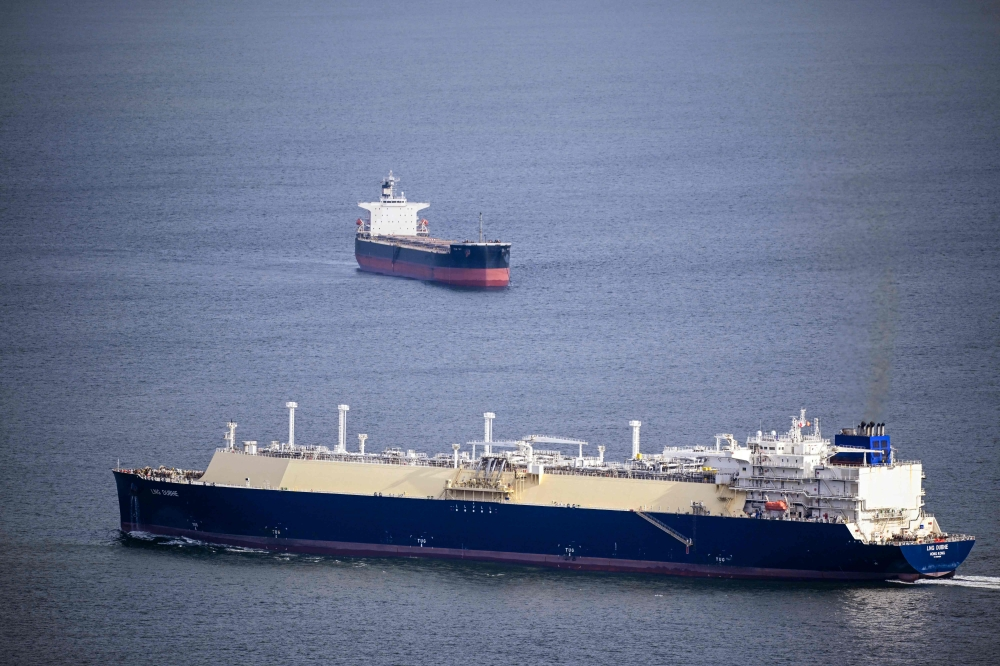
This incident cannot be separated from the tense international context surrounding the Panama Canal. The United States, which operated the canal from its opening in 1914 until its handover to Panama at the end of 1999, views with increasing concern China's growing influence in this waterway, through which 5% of global maritime trade passes. Washington and Beijing are the canal's primary users, making it a strategic flashpoint.
These concerns have recently intensified following statements by US President Donald Trump, who threatened to reassert control over the canal, claiming it is indirectly controlled by Beijing. This claim is based on the fact that Hong Kong-based Hutchison Holdings operates two strategic ports at the canal's Pacific and Atlantic ends under commercial concession agreements.
Historical and strategic importance
The 80-kilometer-long Panama Canal is one of the world’s most important waterways, shortening shipping distances by thousands of kilometers and playing a pivotal role in global supply chains. Observers fear that this seemingly “domestic” incident could have wider diplomatic repercussions, potentially affecting the delicate balance Panama is trying to maintain between its major trading partner (China) and its long-standing security ally (the United States), especially given ongoing US pressure to reduce China’s presence in critical infrastructure in the Western Hemisphere.