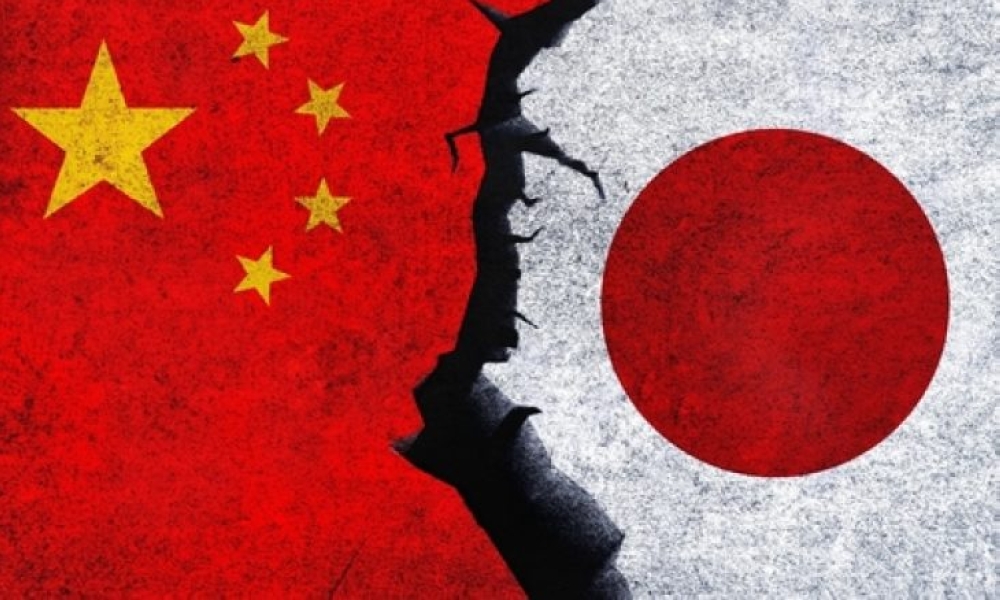
In a move reflecting the depth of political tensions between Asia's two largest economies, the Chinese Foreign Ministry issued a formal warning to its citizens, urging them to avoid non-essential travel to Japan, particularly during the Lunar New Year holiday in February. This warning comes amid what Beijing described as a "deteriorating security situation" and potential "serious threats" that Chinese nationals might face there, adding a new dimension to the existing disputes between the two countries.
Background of political tension and the Taiwan issue
The Chinese warning did not come out of thin air; it is a direct result of escalating diplomatic tensions. Relations reached a critical point following statements by Japanese officials, most notably those made by conservative politician Sanae Takaichi last November, who hinted at the possibility of Japanese military intervention to defend Taiwan in the event of a Chinese attack. These statements provoked outrage in Beijing, which considers Taiwan an integral part of its territory under the "One China" principle and views any foreign interference in its affairs as a violation of its sovereignty and a red line that cannot be crossed.
The historical and geographical context of the conflict
Current tensions are rooted in historical mistrust and unresolved territorial disputes. Sino-Japanese relations are burdened by the legacy of World War II, and issues such as the dispute over sovereignty of the Senkaku Islands (which China calls the Diaoyu Islands) in the East China Sea remain a constant source of friction. This complex backdrop makes any political statement or military action in the region highly sensitive and capable of igniting a wider diplomatic crisis.
Economic dimensions and their impact on tourism
This warning carries serious economic implications for Japan, whose tourism sector is heavily reliant on Chinese visitors. Before the coronavirus pandemic, Chinese tourists constituted the largest group of foreign visitors to Japan and were known for their high spending. Last month already saw a 45% decline in the number of Chinese visitors compared to the previous year, and the new warning is expected to exacerbate this decline, dealing a significant blow to Japan's efforts to revive its post-pandemic economy. China is increasingly using travel and tourism as an economic bargaining chip in its diplomatic disputes.
Security and environmental concerns
In addition to political tensions, the Chinese statement cited other security concerns, referring to “criminal and illegal acts targeting Chinese citizens” in Japan. The statement also mentioned the recent series of earthquakes that struck parts of Japan as an additional risk factor. While Japan is generally considered a safe destination, highlighting these points is intended to reinforce the Chinese government’s message that the safety of its citizens in Japan is no longer guaranteed, thus justifying its decision to restrict travel.