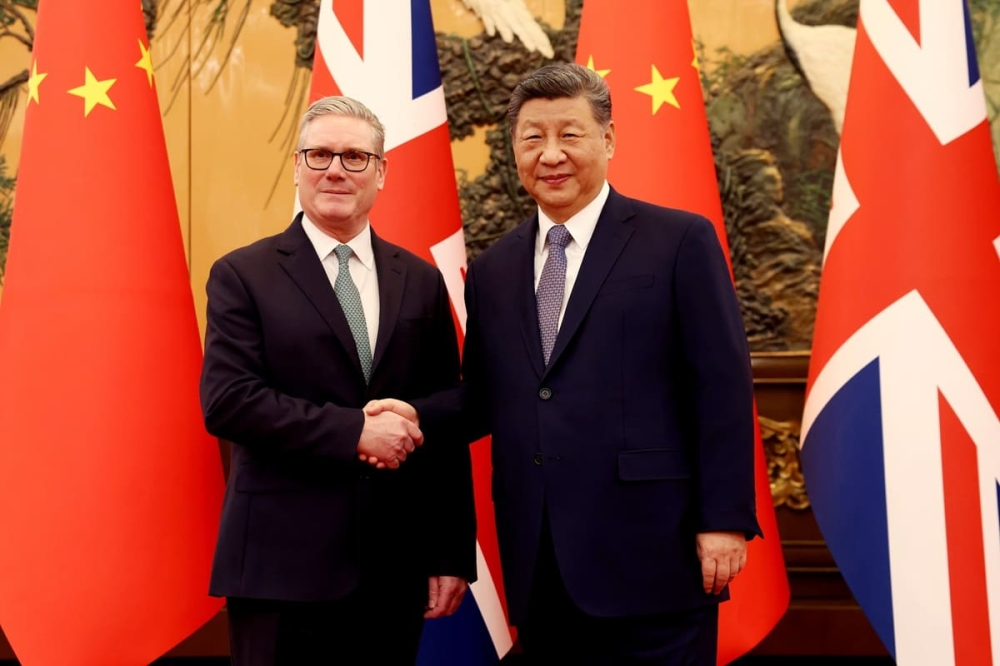
In a significant diplomatic and economic move, the Chinese government announced that citizens of the United Kingdom and Canada will be exempt from visa requirements for entry into China. According to a statement issued by the Chinese Ministry of Foreign Affairs, holders of ordinary passports from both countries will be able to enter China without a visa for various purposes, including business, tourism, visiting relatives and friends, or transit, for stays of up to 30 days. This decision is scheduled to take effect tomorrow, Tuesday, and will initially remain in place until the end of this year.
Context of the decision: China's post-pandemic strategy for opening up
This move is part of a broader strategy by Beijing to increase its openness to the world and revitalize its economy in the post-COVID-19 era. After years of strict travel restrictions that led to near-international isolation, China is striving to attract foreign tourists and investors back. Britain and Canada are not the first to benefit from this policy; China preceded them by exempting citizens of several European countries, including France, Germany, Italy, Spain, and the Netherlands, as well as Malaysia, from entry visas late last year. This series of exemptions aims to send a clear message that China welcomes visitors and is ready to facilitate people-to-people and trade exchanges.
The importance of the decision in improving bilateral relations
This decision cannot be separated from the context of diplomatic relations, which have seen significant tensions between China and both Britain and Canada in recent years. Sino-Canadian relations deteriorated sharply following the arrest of Huawei's chief financial officer, Meng Wanzhou, in Vancouver in 2018, and the subsequent detention of Canadian citizens by China. Similarly, Sino-British relations have faced challenges due to disagreements over issues such as the national security law in Hong Kong and human rights concerns.
Therefore, the visa waiver is seen as a goodwill gesture and a serious attempt by Beijing to mend these relations and overcome political differences. By encouraging direct people-to-people exchanges, China hopes to build bridges of trust that could pave the way for improved diplomatic dialogue and cooperation in areas of common interest such as trade and combating climate change.
Expected economic and geopolitical impacts
This decision is expected to have tangible positive effects. Economically, easier travel will lead to an increase in tourist and business travelers from Britain and Canada, thus supporting China's aviation, hospitality, and retail sectors. It will also make it easier for British and Canadian companies to explore investment and business opportunities in the vast Chinese market.
From a geopolitical perspective, this move represents a tool of “soft power” that China employs to improve its international image. Amid strategic competition with the United States, Beijing seeks to strengthen its bilateral relations with Washington’s key allies, potentially creating new dynamics on the global stage. Encouraging people-to-people exchanges is a long-term investment in building more resilient and sustainable relationships, moving beyond direct political rivalries.