In an unprecedented military escalation that threatens dangerous geopolitical shifts in East Asia, China launched large-scale military exercises around Taiwan on Monday, dubbed “Mission Justice 2025.” These moves come amid heightened tensions, particularly following a massive arms deal between the United States and Taiwan, prompting Beijing to warn that the Taiwan Strait could slide into a “dangerous situation of imminent war.”.
Details of the maneuvers and military blockade
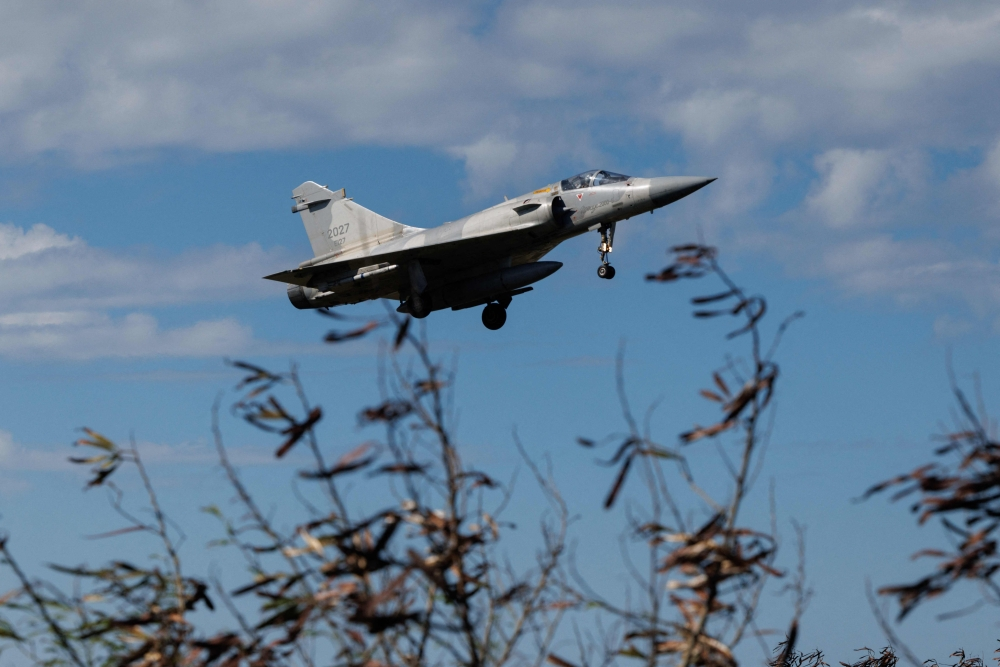
The Eastern Theater Command of the Chinese People's Liberation Army announced the deployment of a massive military arsenal, including destroyers, frigates, fighter jets, strategic bombers, and drones. According to the military statement, these forces are conducting live-fire exercises targeting sensitive maritime locations north and southwest of Taiwan, effectively creating a military encirclement of the island.
The Chinese military has designated five restricted areas surrounding the island for live-fire exercises, warning civilian ships and aircraft against entering these areas for safety, in a move resembling a temporary naval and air blockade.
Historical context and roots of the conflict
To understand the depth of this escalation, one must consider the historical background of the conflict, which dates back to 1949 when the Chinese Civil War ended with the Nationalists retreating to Taiwan and establishing a separate government, while the Communists controlled the mainland. Since then, Beijing has adhered to the "One China" principle, considering Taiwan an integral part of its territory that must be reclaimed, even by military force if necessary. In contrast, Taiwan enjoys self-governance and Western support, particularly from the United States, which is bound by the Taiwan Relations Act to provide it with the means for self-defense.
The American and Japanese role in igniting the fuse
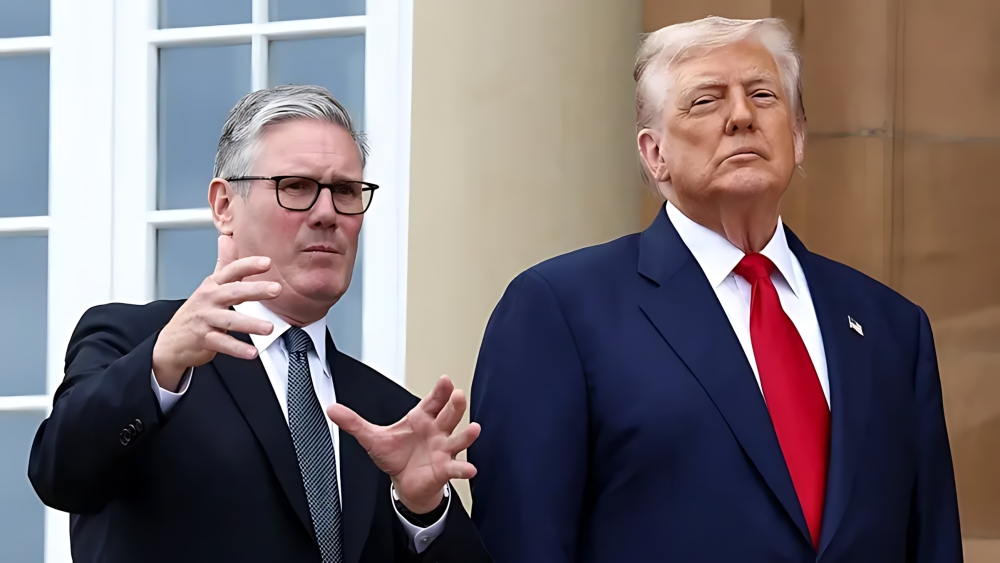
The Chinese military exercises came as a direct response to a new $11.1 billion US arms deal with Taipei, the second such deal since Donald Trump's return to the presidency. This angered Beijing, which retaliated by imposing sanctions on US defense companies. Meanwhile, Japan escalated its rhetoric, with Prime Minister Sanae Takaichi stating that the use of force against Taiwan could justify a military response from Tokyo, a statement China considered blatant interference in its internal affairs.
Taiwan's response and regional repercussions
In response to the Chinese moves, Taiwan's Ministry of Defense declared a state of maximum alert, spotting 89 Chinese military aircraft and 28 warships near the island, the highest number since October 2024. These maneuvers directly affected civilian life, with 74 domestic flights being cancelled.
Observers believe that these tensions not only threaten the security of the region, but also pose a risk to the global economy, given the importance of the Taiwan Strait as a vital artery for international trade, and Taiwan's hosting of the world's largest semiconductor factories, which means that any armed conflict could lead to paralysis in global technology supply chains.