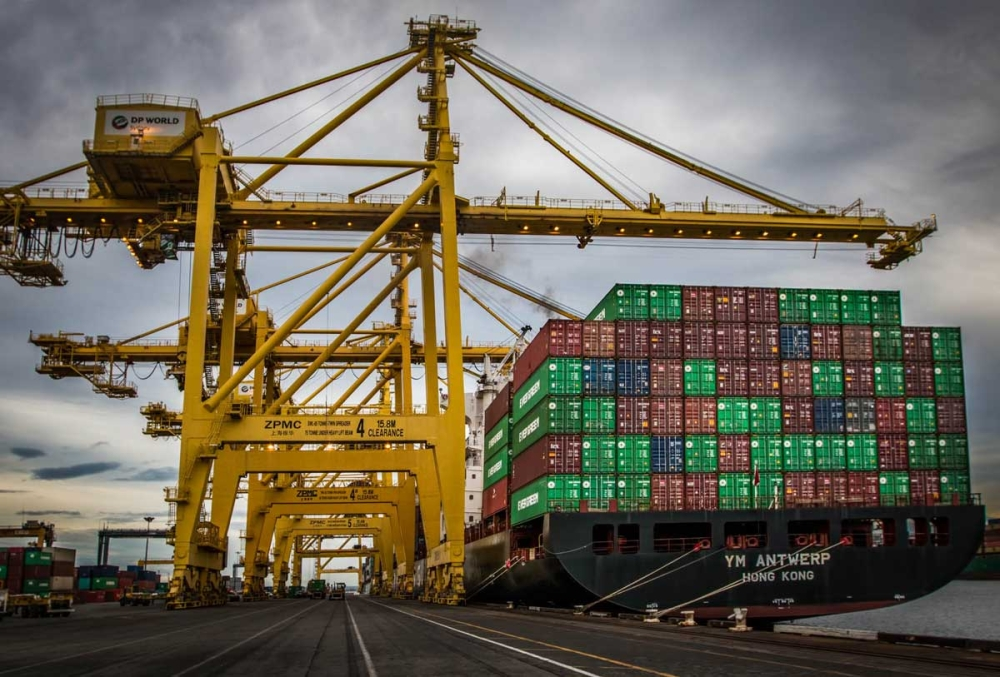
China officially announced on Monday a comprehensive plan to reduce tariffs on a wide range of imported products, to take effect starting next year, 2026. This move comes as part of Beijing's efforts to promote economic openness and facilitate trade between the two countries, at a time when the global economy is facing increasing challenges.
Details of the discounts and targeted sectors
According to a statement from the Customs Tariff Commission of China's State Council, the new tariff reductions will include lower import duties on essential resource-based goods, most notably recycled black powder used in lithium-ion battery manufacturing. This move is crucial for supporting China's leading global electric vehicle and clean energy sectors.
Beijing has also paid particular attention to the healthcare sector, with price reductions extending to advanced medical products, including artificial blood vessels and precision diagnostic equipment for certain infectious diseases. This measure aims to lower healthcare costs and make advanced medical technologies available to the domestic market, which serves more than 1.4 billion people.
Enhancing competitiveness and international commitment
The committee explained that the provisional tariffs imposed on 925 products will be reduced to below the current rate applied to World Trade Organization (WTO) member countries. This decision reflects China's continued commitment to promoting free trade and expanding access to its vast market, valued at approximately $19 trillion, sending positive signals to its international trading partners.
Strategic and legislative context
These reductions come within a dual strategic context; while China opens its doors to imports, it is simultaneously working to bolster its economic security. Earlier this week, Beijing approved significant amendments to its foreign trade law, aimed at strengthening its ability to handle international trade disputes and imposing stricter controls on exports of strategic minerals.
Economic analysts believe these simultaneous moves—reducing tariffs on the one hand and tightening trade regulations on the other—reflect a pragmatic approach aimed at balancing national interests with the demands of a globalized economy. Beijing is also currently revising its domestic laws in anticipation of potential legal challenges from private companies, whose role in the Chinese economy is growing significantly.
This decision is expected to reduce production costs for local manufacturers who rely on imported raw materials, as well as provide competitively priced consumer options for citizens, thus supporting China’s “dual circulation” strategy to stimulate domestic consumption while maintaining strong exports.