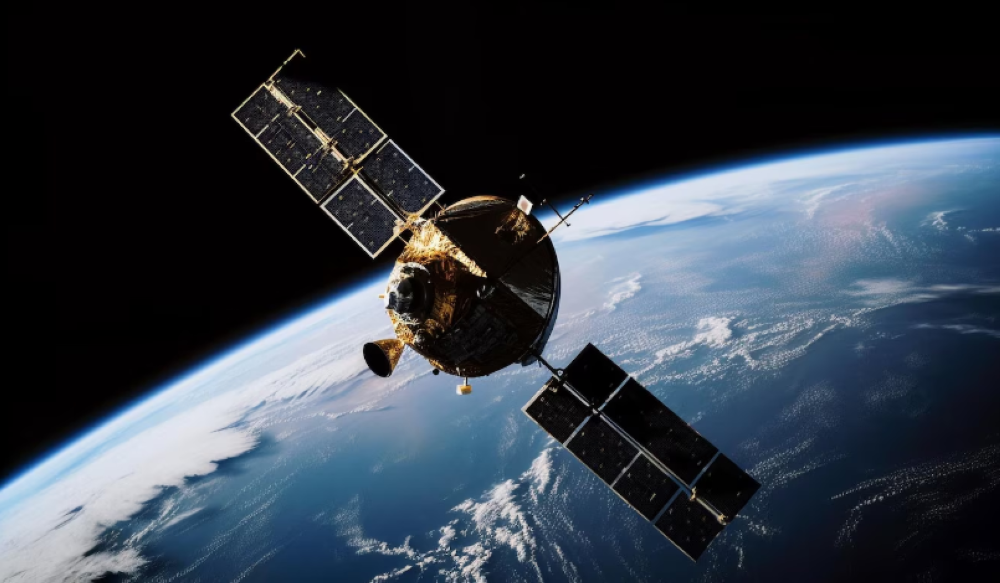
في خطوة جديدة تعكس تسارع وتيرة برنامجها الفضائي الطموح، أعلنت الصين اليوم الثلاثاء عن نجاحها في إطلاق قمر اصطناعي جديد مخصص لرسم الخرائط الجغرافية واستكشاف الموارد، وذلك من مركز “جيوتشيوان” لإطلاق الأقمار الاصطناعية الواقع في شمال غربي البلاد. وتأتي هذه العملية لتعزز منظومة الأقمار الاصطناعية الصينية المخصصة لمراقبة الأرض وجمع البيانات الدقيقة.
تفاصيل المهمة الفضائية
انطلق القمر الاصطناعي الذي يحمل اسم “تيانهوي-7” (Tianhui-7) على متن الصاروخ الحامل الموثوق “لونغ مارش-4 بي” (Long March-4B). وقد أكدت السلطات المختصة أن عملية الإطلاق تمت بسلاسة تامة، حيث انفصل القمر عن الصاروخ ودخل بنجاح إلى مداره المحدد مسبقًا، ليبدأ رحلته في تقديم خدمات حيوية للقطاعات المدنية والعلمية.
قدرات تقنية متطورة لرسم الخرائط
وفقًا لما ذكرته الأكاديمية الصينية لتكنولوجيا الفضاء (CAST)، الجهة المطورة لهذا القمر، فإن “تيانهوي-7” يمثل قفزة نوعية في تقنيات المسح الفضائي. تم تزويد القمر بمعدات متقدمة تشمل كاميرات ثلاثية الأبعاد عالية الدقة، بالإضافة إلى مستشعرات بصرية وليزرية متطورة. تتيح هذه التجهيزات للقمر إنتاج خرائط طبوغرافية دقيقة للغاية (Stereo Mapping)، مما يسهل عمليات التخطيط العمراني وتحديث قواعد البيانات الجغرافية الوطنية.
الأهداف الاستراتيجية والبيئية
لا تقتصر مهمة “تيانهوي-7” على رسم الخرائط التقليدية فحسب، بل تمتد لتشمل أهدافًا علمية وبيئية واسعة النطاق. سيلعب القمر دورًا محوريًا في:
- مسح موارد الأراضي: تحديد وتصنيف الموارد الطبيعية والزراعية بدقة عالية.
- مراقبة التغيرات البيئية: دعم الأبحاث العلمية المتعلقة بالتغير المناخي وتأثيره على الغطاء النباتي والتضاريس.
- دعم التنمية المستدامة: توفير بيانات حيوية تساعد صناع القرار في مشاريع البنية التحتية الكبرى.
سلسلة “لونغ مارش”: العمود الفقري للفضاء الصيني
تكتسب هذه المهمة أهمية خاصة كونها تمثل الرحلة رقم 622 لسلسلة الصواريخ الحاملة من طراز “لونغ مارش” (المسيرة الكبرى). تعد هذه السلسلة العمود الفقري لبرنامج الفضاء الصيني، حيث تتميز بمعدلات موثوقية عالية جدًا. ويعكس الوصول إلى هذا الرقم الضخم من الإطلاقات مدى التطور المتسارع الذي حققته بكين في العقود الأخيرة، حيث تحولت من لاعب ثانوي إلى قوة عظمى في مجال الفضاء، منافسة بذلك الولايات المتحدة وروسيا.
التأثير المستقبلي لبيانات مراقبة الأرض
يعد إطلاق أقمار مثل “تيانهوي-7” جزءًا من استراتيجية عالمية أوسع تعتمد على “بيانات الفضاء” كمحرك للاقتصاد الرقمي. فالمعلومات الجغرافية الدقيقة لم تعد مجرد صور، بل أصبحت أدوات أساسية في إدارة الكوارث الطبيعية، وتحسين الإنتاج الزراعي، وحتى في تطوير تقنيات الملاحة والقيادة الذاتية، مما يجعل هذا الإطلاق حدثًا ذا أبعاد اقتصادية وتكنولوجية هامة تتجاوز مجرد البحث العلمي.