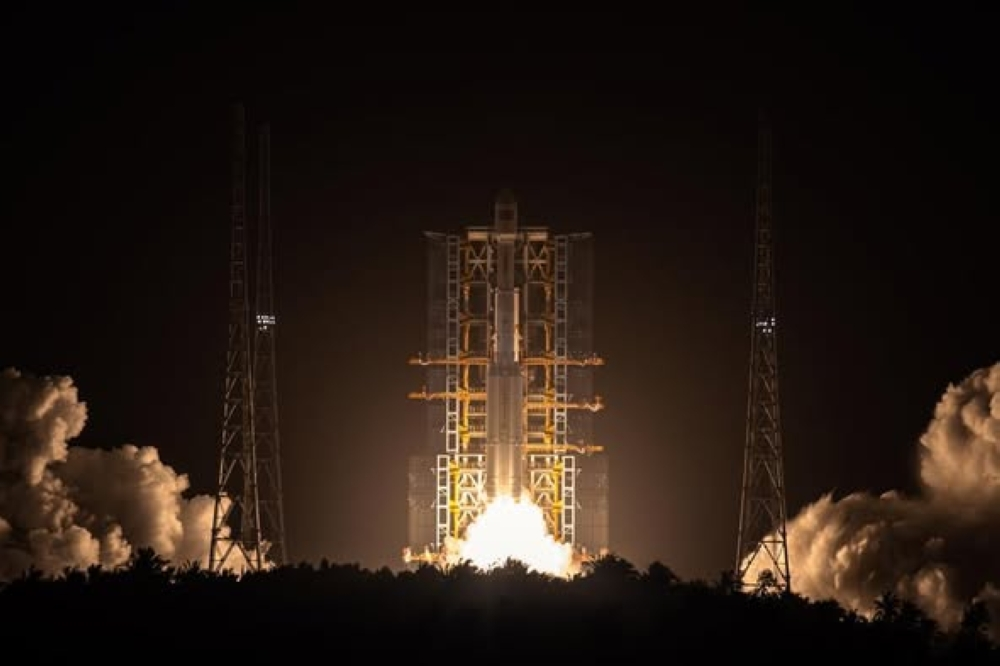
في خطوة جديدة تعكس التطور المتسارع لبرنامجها الفضائي الطموح، أعلنت الصين عن نجاحها في إطلاق قمر صناعي جديد يحمل اسم “شيجيان-28” (Shijian-28). انطلق القمر الصناعي من موقع ونتشانغ لإطلاق المركبات الفضائية، الواقع في مقاطعة هاينان الساحلية جنوبي البلاد، والذي يعد أحد أحدث وأهم مراكز الإطلاق الفضائي في الصين.
تمت عملية الإطلاق بنجاح باستخدام صاروخ حامل مُعدّل من طراز “لونغ مارش-7” (Long March-7)، وهو جزء من عائلة صواريخ “المسيرة الطويلة” التي تشكل العمود الفقري لبرنامج الفضاء الصيني. وقد أكدت السلطات الفضائية الصينية أن القمر الصناعي “شيجيان-28” قد دخل مداره المحدد مسبقًا بدقة، مما يمثل نجاحًا كاملًا للمهمة التي تحمل الرقم 611 ضمن سلسلة إطلاقات صواريخ “لونغ مارش”.
سياق تاريخي وطموحات متنامية
يأتي هذا الإطلاق في سياق جهود صينية حثيثة ومستمرة منذ عقود لترسيخ مكانتها كقوة فضائية عظمى. بدأ برنامج الفضاء الصيني في الخمسينيات من القرن الماضي، وشهد قفزات نوعية في الألفية الجديدة، بدءًا من إرسال أول رائد فضاء صيني، يانغ ليوي، عام 2003، وصولًا إلى إنجازات معقدة مثل إكمال بناء محطة الفضاء “تيانقونغ”، وإرسال مركبات استكشاف إلى القمر والمريخ. وتعتبر سلسلة أقمار “شيجيان” الصناعية، التي يعني اسمها “التجربة” أو “الممارسة”، منصة حيوية لاختبار التقنيات الفضائية الجديدة والتحقق من فعاليتها في بيئة الفضاء الحقيقية قبل تطبيقها في مهام مستقبلية أكثر تعقيدًا.
الأهمية الاستراتيجية والتأثير المتوقع
يحمل إطلاق القمر “شيجيان-28” أهمية استراتيجية متعددة الأبعاد. على المستوى المحلي، يعزز هذا النجاح قدرات الصين التكنولوجية ويدعم هدفها المتمثل في تحقيق الاكتفاء الذاتي في قطاع الفضاء، وتقليل الاعتماد على التقنيات الأجنبية. أما على المستوى الإقليمي والدولي، فإن كل عملية إطلاق ناجحة تعزز من مكانة الصين كشريك ولاعب رئيسي في الساحة الفضائية العالمية. تُستخدم هذه الأقمار الصناعية التجريبية في تطوير خدمات الاتصالات المتقدمة، والبث التلفزيوني عالي الدقة، ونقل البيانات بسرعة وأمان، وهي خدمات أساسية لمشاريع استراتيجية كبرى مثل مبادرة “الحزام والطريق”. كما أن التطور في هذا المجال يفتح آفاقًا جديدة للمنافسة والتعاون مع القوى الفضائية الأخرى، وعلى رأسها الولايات المتحدة وروسيا، في سباق فضائي جديد يتجاوز الاستكشاف ليشمل الهيمنة التكنولوجية والاقتصادية.