A strategic step in the modern space race
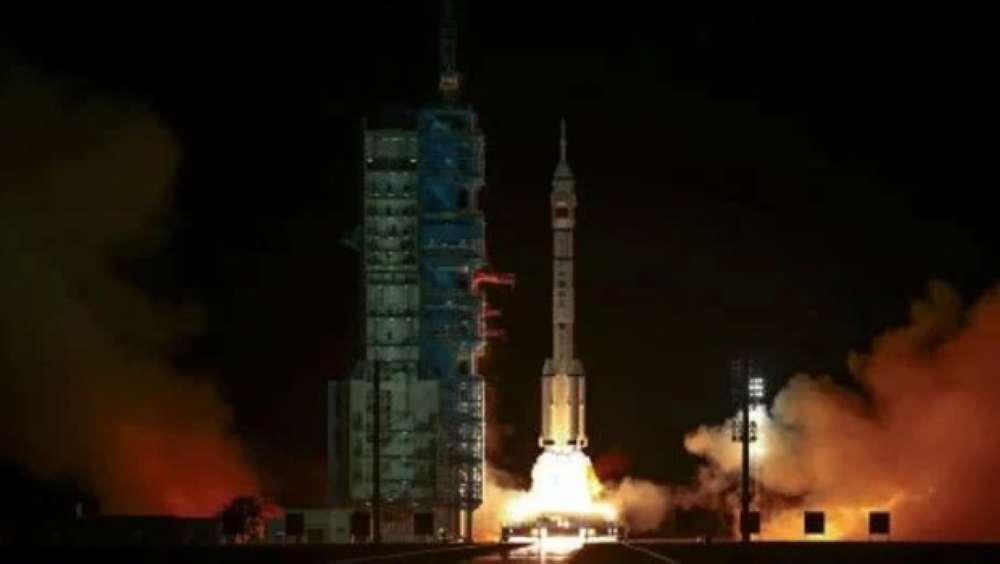
In a move underscoring its growing space ambitions, China announced the successful launch of an advanced reusable experimental spacecraft. The spacecraft was launched aboard a Long March-2F carrier rocket from the Jiuquan Satellite Launch Center in the country's northwest. This mission marks a significant milestone in China's space program, aiming to test vital technologies that will support a more sustainable and cost-effective future of space exploration.
Historical context and Chinese ambition
This achievement is not a coincidence, but rather the culmination of decades of investment and meticulous planning in the space sector. Since launching its first satellite, Dongfanghong-1, in 1970, China has made tremendous strides, becoming the third country in the world to independently send a human into space in 2003. Successes continued with the completion of the Tiangong-1 manned space station and the successful deployment of probes to the Moon and Mars. The launch of this reusable spacecraft is part of China's long-term vision to establish itself as a space superpower, capable of competing and innovating in all fields, from satellite communications to deep scientific exploration.
The importance of reuse technology and its global impact
The great significance of this mission lies in its focus on "reusable" technology, a revolutionizing technology in the global space industry spearheaded by companies like SpaceX. This technology allows for a radical reduction in the costs of launching rockets and spacecraft, paving the way for an increased frequency of space missions and making space access more accessible. By developing its own capabilities in this field, China is not only striving for technological self-sufficiency but also aiming to capture a share of the global commercial satellite launch market. Internationally, this development adds a new dimension to the modern space race, which is no longer limited to the United States and Russia but now includes China as a major and influential player. This success is expected to accelerate the pace of innovation and global competition, potentially benefiting all of humanity by developing new technologies and expanding the horizons of space exploration.