A new step in the space race: China launches 7 satellites from the sea
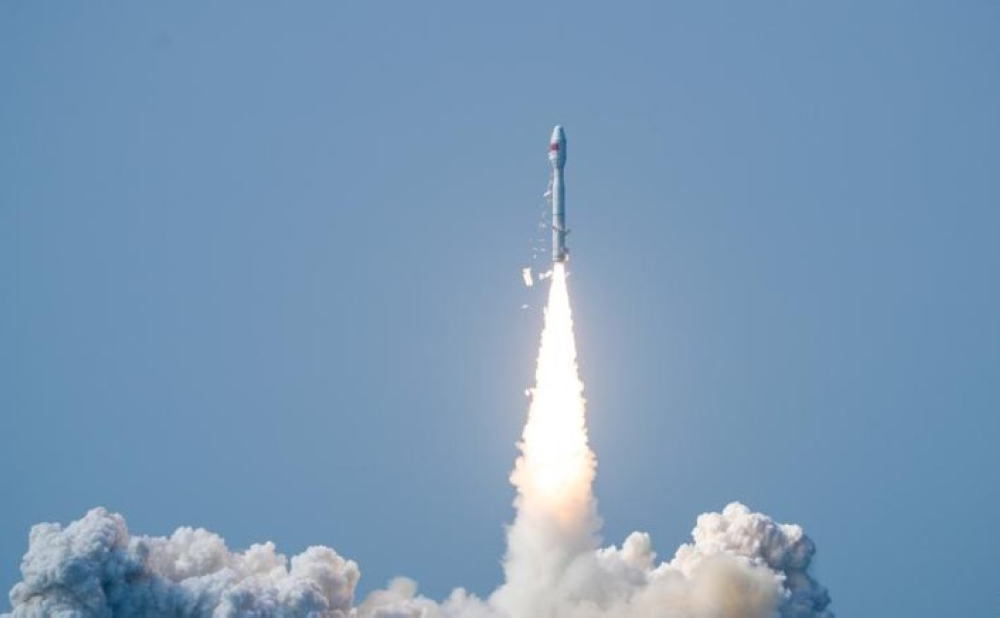
In a new demonstration of its growing technological capabilities, China successfully launched seven new satellites into their predetermined orbits using a Smart Dragon-3 carrier rocket. What makes this mission unique is that it was launched from a mobile sea-based launch platform in the waters off the coast of Yangjiang City in Guangdong Province, southern China, underscoring Beijing's advanced capabilities in flexible and rapid space launches.
Historical context and importance of the naval launch
This launch is not China's first; it is part of a broader strategy to bolster its space program. China began sea-launch trials in 2019, a technology that offers significant strategic advantages. Chief among these is the flexibility in launch location, allowing for more efficient placement of satellites into different orbits, particularly those requiring launch near the equator. Furthermore, sea-launching reduces the risk of rocket debris falling on populated areas, a problem that has plagued land-based launches in the past.
The “Smart Dragon-3” missile: China’s tool for trade competition
The “Smart Dragon-3” carrier rocket used in this mission is part of a new generation of Chinese solid-fuel rockets specifically designed to meet the demands of the growing commercial market. Its rapid response capabilities, low cost, and ability to carry multiple satellites on a single mission make it an attractive option for companies and organizations seeking to deploy constellations of small satellites into space.
Expected effects and dimensions of international competition
The success of this mission is not merely a technological achievement; it also carries significant strategic and economic dimensions. These satellites, serving diverse purposes such as remote sensing, environmental monitoring, and communication services, will contribute to strengthening China's space infrastructure. Internationally, this launch reinforces China's position as a leading space power and a major player in the commercial launch market, intensifying competition with the United States (represented by companies like SpaceX) and other traditional space powers. Furthermore, possessing the capability to launch satellites rapidly from multiple locations grants China strategic independence and enhances its national security in space, an arena of geopolitical competition no less important than others.