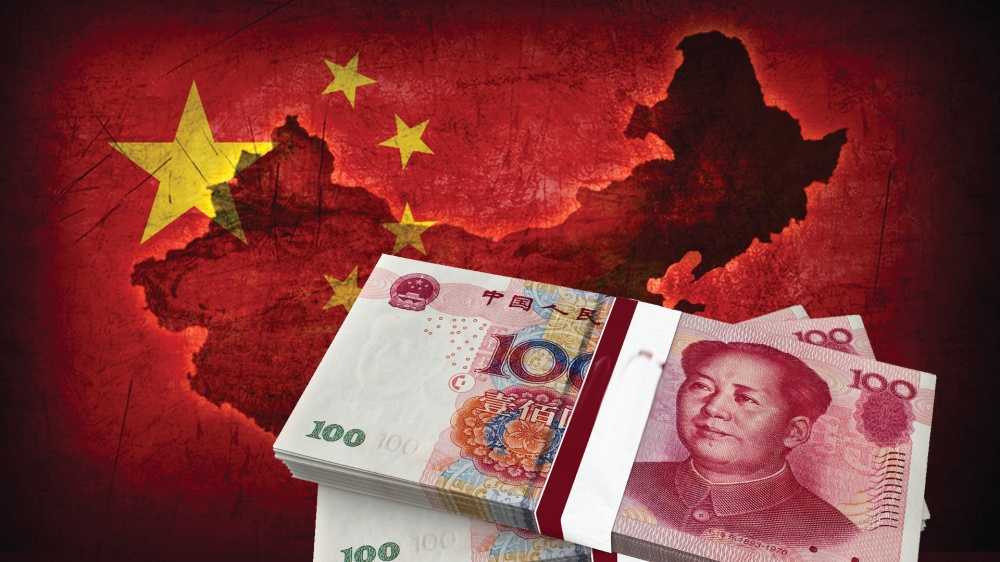
China's State Administration of Foreign Exchange announced a significant increase in its foreign exchange reserves, which reached US$3.3991 trillion at the end of January 2024. This figure represents an increase of US$41.2 billion, or 1.23%, compared to the level recorded at the end of December of the previous year. This rise further solidifies China's position as the world's largest holder of foreign exchange reserves and underscores the strength and resilience of its external financial position in the face of global economic fluctuations.
General context and historical background
The accumulation of such a massive reserve base was not a sudden occurrence, but rather the product of decades of rapid, export-led economic growth and the attraction of foreign direct investment. Since joining the World Trade Organization in 2001, China has experienced a surge in exports, resulting in huge trade surpluses and a steady influx of hard currency. The People's Bank of China (the central bank) has effectively managed these inflows, converting them into reserves that serve as a key instrument for managing monetary policy and stabilizing the yuan's exchange rate.
Factors affecting recent growth
According to the agency's statement, the increase recorded in January was attributed to two main factors. First, the decline in the US dollar index against a basket of other major currencies led to an increase in the dollar value of assets held in other currencies, such as the euro and the yen. Second, global financial asset prices, including bonds and stocks, generally rose during the month, influenced by market expectations regarding the policies of major central banks. These combined effects of exchange rate fluctuations and asset values directly contributed to the increase in the size of reserves.
Importance and expected impact
Domestically, these massive reserves provide a protective shield for the Chinese economy against external shocks and give policymakers greater flexibility to intervene in foreign exchange markets to prevent sharp fluctuations in the yuan's value, which is vital for maintaining stable trade and capital flows. They also bolster the confidence of domestic and international investors in China's ability to meet its external obligations and support its financial system.
At both the regional and international levels, the size of China’s reserves gives it considerable influence in global financial markets. As one of the largest holders of US Treasury bonds, any change in its investment strategy can impact global interest rates. Furthermore, the stability of the Chinese economy, underpinned by these reserves, is a cornerstone of economic stability in the Asia-Pacific region and for many of its trading partners worldwide. This sustained growth demonstrates China’s ability to adapt to the complex global economic environment and maintain its position as a leading economic power.