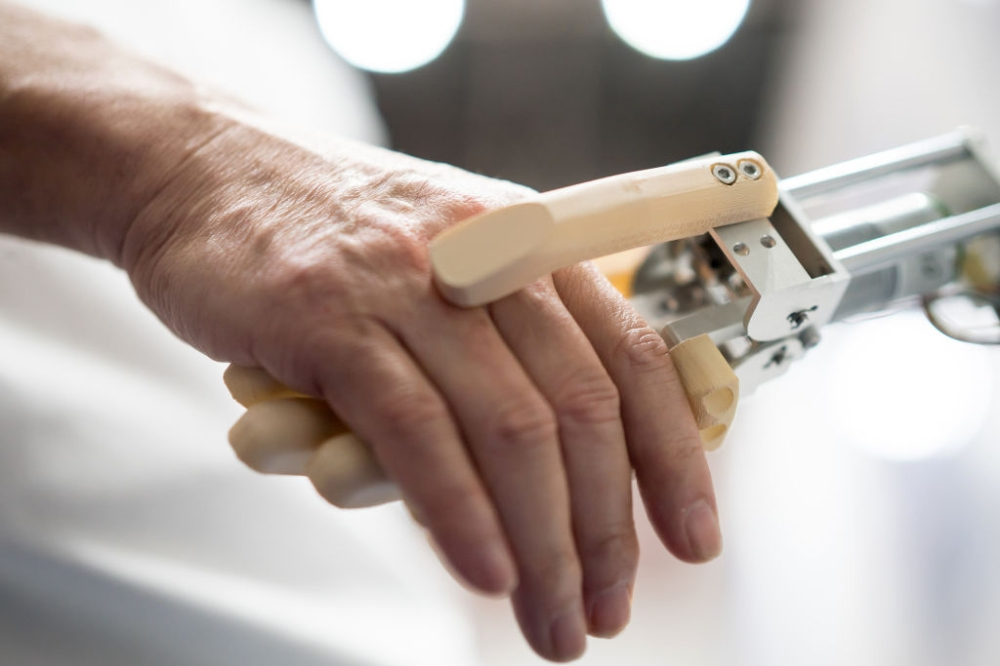
في خطوة تعد نقلة نوعية في عالم الذكاء الاصطناعي والروبوتات، أعلن فريق بحثي صيني عن نجاحه في تطوير تقنية متقدمة تتمثل في "جلد إلكتروني عصبي الشكل" (Neuromorphic Robotic E-skin). هذا الابتكار الجديد يمنح الروبوتات الشبيهة بالبشر قدرات حسية غير مسبوقة، تمكنها من استشعار الألم والتفاعل معه بذكاء يحاكي ردود الفعل البيولوجية للكائنات الحية.
محاكاة النظام العصبي البشري
أوضح الباحثون أن التصميم الجديد لا يقتصر على مجرد استشعار اللمس، بل يحاكي بدقة آلية عمل الجلد البشري والنظام العصبي المرتبط به. تتيح هذه التقنية للروبوتات الاستجابة الفورية للملامسات الضارة أو المؤلمة عبر حركات انعكاسية سريعة وتلقائية، تماماً مثل "منعكس الانسحاب" الذي يحدث للإنسان عند لمس سطح ساخن أو جسم حاد، مما يحمي الهيكل الآلي من التلف.
ويتألف هذا الجلد المتطور من أربع طبقات متكاملة تعمل بتناغم دقيق: طبقة واقية خارجية، وشبكة معقدة من المستشعرات العصبية، ونظام مراقبة ذاتية مستمر، وآلية استجابة انعكاسية ترسل أوامر مباشرة للمحركات عند تجاوز الضغط حدود الأمان المسموح بها. كما يتميز الابتكار بميزة عملية هامة تتمثل في "الإصلاح السريع"، حيث يعتمد على وحدات مغناطيسية قابلة للاستبدال بسهولة في حال تعرض جزء من الجلد للتلف.
سياق التطور في مجال الروبوتات
لفهم أهمية هذا الحدث، يجب النظر إلى التاريخ الطويل لتطوير الروبوتات. لعقود طويلة، ركز العلماء على تطوير القدرات الحركية والبصرية للروبوتات، بينما ظلت حاسة اللمس هي الحلقة الأضعف. كانت الروبوتات التقليدية تفتقر إلى القدرة على التمييز بين اللمسة اللطيفة والضربة القوية، مما جعل وجودها بالقرب من البشر محفوفاً بالمخاطر. ويأتي هذا الابتكار الصيني كجزء من موجة عالمية تعرف بـ "الروبوتات اللينة" (Soft Robotics)، التي تهدف لردم الفجوة بين الآلة والنسيج الحيوي.
آفاق المستقبل وتأثير الابتكار
يحمل هذا التطور تأثيرات واسعة النطاق تتجاوز مجرد حماية الروبوت لنفسه. فعلى الصعيد الصناعي، يمهد هذا الجلد الطريق لجيل جديد من "الروبوتات التعاونية" التي يمكنها العمل جنباً إلى جنب مع البشر في المصانع دون الحاجة لأقفاص حماية، حيث ستتوقف الآلة أو تبتعد فور استشعارها لأي تصادم غير مقصود.
وفي المجال الطبي، يفتح هذا الابتكار أبواباً للأمل في تطوير أطراف صناعية ذكية تمنح مبتوري الأطراف ليس فقط القدرة على الحركة، بل استعادة حاسة اللمس والشعور بالألم، وهو عنصر حيوي لتجنب إصابة الطرف الصناعي أو المستخدم. ويواصل الفريق البحثي حالياً تطوير النظام لتعزيز حساسيته وقدرته على التعامل مع اللمسات المتعددة والمتزامنة، مما يقربنا خطوة أخرى نحو مستقبل تتعايش فيه الروبوتات والبشر بأمان وتناغم تام.