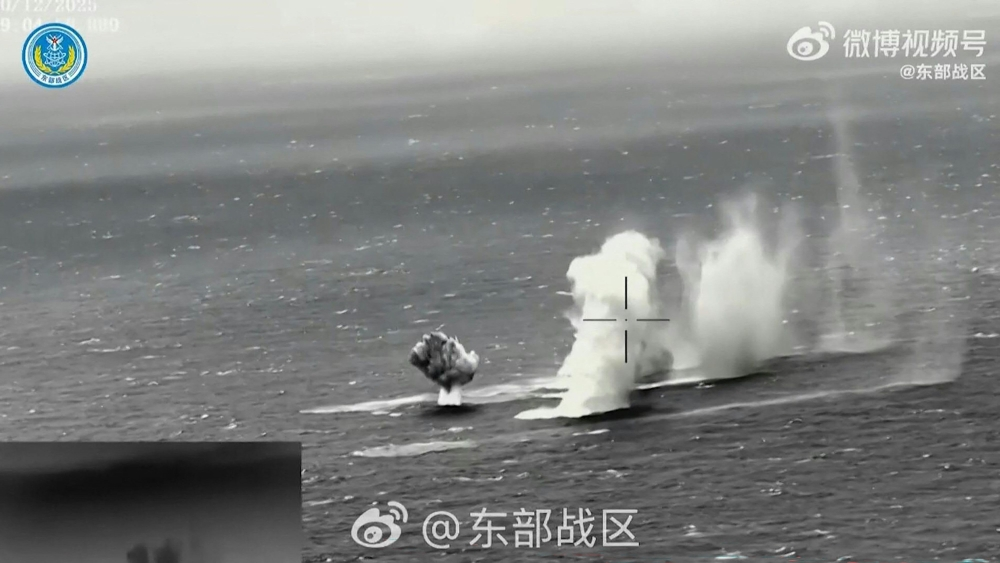
China escalated its military and diplomatic rhetoric on the second day of intensive military exercises around Taiwan, with Chinese Foreign Minister Wang Yi asserting that Beijing would "resolutely oppose" US arms sales to Taiwan. These statements coincided with live-fire drills conducted by the Chinese military in the waters surrounding the island, a move intended to project power and establish new red lines in the region.
Details of the maneuvers and the Taiwanese response
In contrast, Taiwan downplayed the effectiveness of the Chinese military maneuvers, describing them as "failed." The Taiwanese Ministry of National Defense announced that the simulated blockade Beijing attempted to impose by deploying dozens of fighter jets and warships did not achieve its objectives on the ground. Hsieh Jie-shing, a senior Taiwanese intelligence official, stated, "Regarding their intention to impose a blockade, I believe our coast guard has already clarified that this blockade did not actually occur," adding that Taiwanese forces remained in control of the situation.
Background to the tension and the multi-billion dollar deal
The immediate cause of this latest escalation is Taiwan's announcement in mid-December of a massive $11.1 billion arms deal with the United States. This move angered Beijing, which considers Taiwan an integral part of its territory under the "One China" principle and views US military support for the island as blatant interference in its internal affairs and an encouragement of separatist forces.
Strategic importance and international context
These developments are of paramount importance beyond the local level, as the Taiwan Strait is one of the most vital waterways for global trade, through which a significant percentage of international shipping containers pass. Any ill-considered military escalation in this region could have disastrous consequences for the global economy, particularly in the semiconductor and technology sectors. The United States and its allies in the region view these maneuvers with concern, considering them a threat to regional stability in the Indo-Pacific.
Trade war and US-China relations
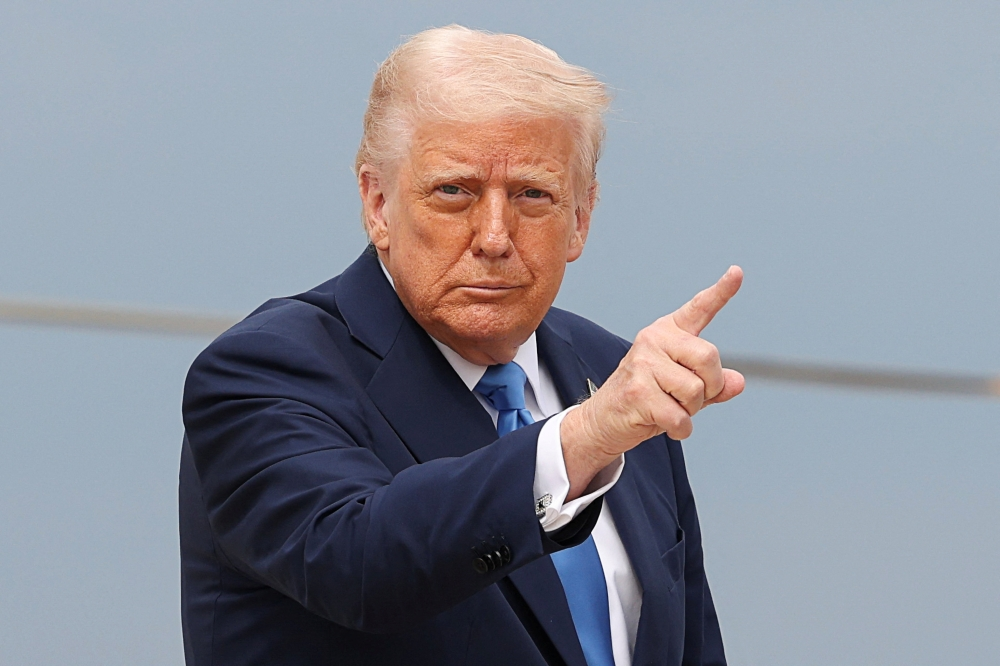
In a related development concerning the strained relations between the two superpowers, Wang Yi, in his speech in Beijing, stated that "economic globalization has been severely tested," criticizing the trade wars that have disrupted the international order. US President Donald Trump had imposed tariffs of up to 100% on Chinese goods, prompting a similar response from Beijing. Despite a temporary truce reached during the meeting between Presidents Trump and Xi Jinping in South Korea last October, the Taiwan issue remains the biggest obstacle threatening to derail any diplomatic rapprochement. Wang Yi explicitly warned Washington against interfering in China's national interests, emphasizing that cooperation benefits both countries while confrontation harms everyone.