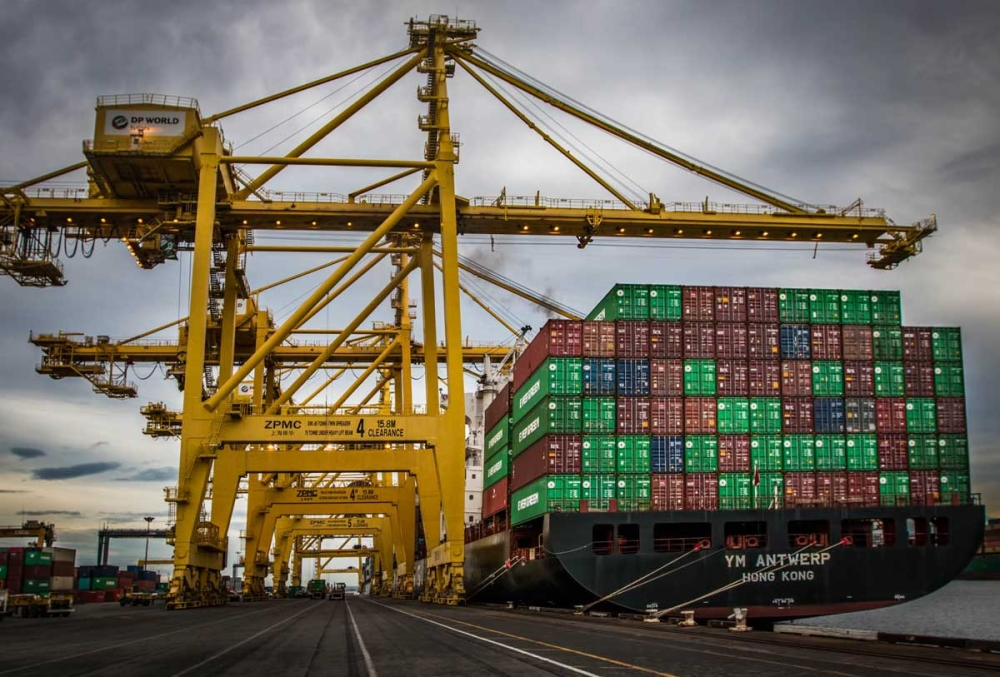
In a strategic move aimed at deepening economic ties with the African continent, Chinese President Xi Jinping announced his country's decision to eliminate tariffs on 98% of goods imported from most African countries that have diplomatic relations with Beijing. This decision, effective May 1st, marks a significant milestone in the growing Sino-African cooperation.
Historical background and economic context
This initiative culminates decades of escalating partnership between China and Africa, which began to take on an institutional character with the launch of the Forum on China-Africa Cooperation (FOCAC) in 2000. Relations have evolved from mere political support to a comprehensive economic partnership, with China becoming Africa’s largest trading partner since 2009. This move is in line with previous commitments made by Beijing at FOCAC summits, aimed at supporting industrialization and sustainable development on the continent. Prior to this decision, China already applied a tariff-free policy to imports from 33 of Africa’s least developed countries, but the new announcement extends this preferential treatment to 53 African countries with which it maintains diplomatic relations.
Economic importance and expected impact
This decision is expected to have a significant positive impact on African economies. At the local level, the tariff exemption will give African products, particularly agricultural goods and manufactured raw materials, a considerable competitive advantage in the vast Chinese market, potentially boosting exports and improving these countries' trade balances. The decision also encourages the diversification of African economies away from sole reliance on raw material exports and supports the growth of small and medium-sized manufacturing enterprises. At the regional level, the decision could strengthen economic integration within the continent, especially within the framework of the African Continental Free Trade Area (AfCFTA), by opening new markets for African-manufactured products.
Geopolitical dimensions and the Belt and Road Initiative
This move cannot be separated from its broader geopolitical dimensions, as it reinforces China’s influence as a global economic power and a key partner for developing countries. It also comes within the context of China’s ambitious Belt and Road Initiative, through which it aims to build a global network of infrastructure and trade. The elimination of tariffs is an effective tool for boosting trade flows along these new routes. The only exception to this decision is the Kingdom of Eswatini, the only African country that still maintains formal diplomatic relations with Taiwan. This exception underscores Beijing’s strict adherence to the “One China” principle and its use of economic tools to bolster its political standing on the international stage.
Thus, the decision to grant customs exemptions is not merely a trade policy, but a strong political and economic message reflecting China’s long-term vision of its relations with Africa as a strategic partner in a changing global system.