In a strategic move reflecting the escalating global geopolitical and economic competition, China has approved substantial amendments to its foreign trade law, aiming to strengthen its legal arsenal for counter-trade wars, limit outbound shipments of strategic minerals, and reduce its $19 trillion economy’s dependence on Western markets and technologies.
Legal amendments with strategic prospects
The official Xinhua news agency reported that the latest amendment, approved by Beijing's top legislature, will officially take effect on March 1, 2026. This move comes as China reshapes its trade legal frameworks to reduce its exposure to US pressure and create effective deterrents.
The revised law, originally adopted in 1994 and amended three times since China joined the World Trade Organization in 2001, grants policymakers in Beijing broad and unprecedented powers. These include the authority to confront trading partners who impose restrictions on Chinese exports and to employ mechanisms such as "negative lists" to control access to restricted sectors for foreign companies.
The context of the trade conflict: from tariffs to legal warfare
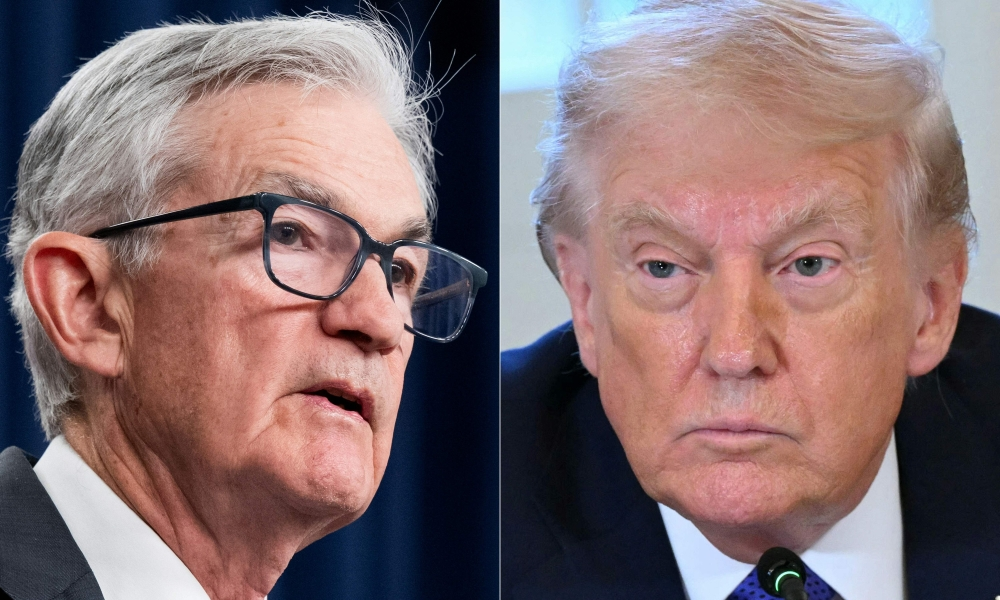
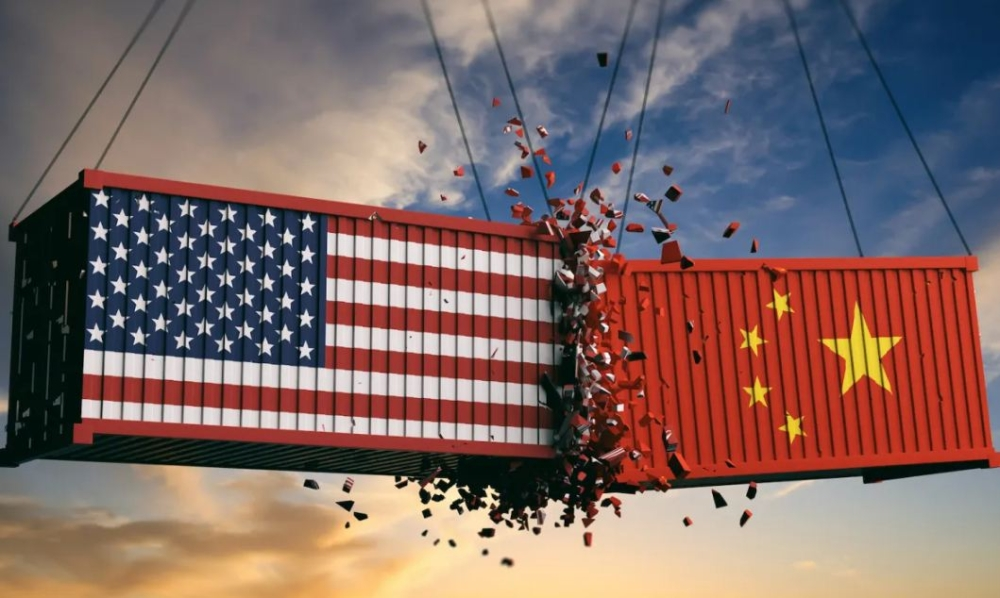
To understand the implications of this move, one must consider the historical context that effectively began in 2018 with the outbreak of the trade war under the administration of US President Donald Trump, which at the time focused on tariffs. Today, the confrontation is escalating to a more complex level involving advanced technology and supply chains.
Through these amendments, Beijing seeks to build a "legal firewall" to legitimize its retaliatory measures internationally, especially after Washington and its allies intensified restrictions on China's access to semiconductors and microelectronic technologies. Observers believe this law represents a shift from traditional trade defense to a preemptive offensive using institutional legal tools.
Control over strategic resources and minerals
The amendment added a clause explicitly stating that foreign trade must "serve national economic and social development." This clause opens the door for Beijing to restrict exports of vital raw materials, such as rare earth elements, which China dominates globally in processing and which are crucial to modern industries ranging from electric vehicles to military equipment.
It is predicted that the impact of these policies will not only be local, but will also lead to a reshaping of global supply chains, forcing international companies to seek costly alternatives or submit to Chinese standards to ensure the continued flow of resources.
Focus on the digital and green economy
Unlike the 2020 amendments, the new amendment places a strong emphasis on digital trade and the green economy, along with strengthening intellectual property provisions. These improvements are crucial for enabling China to meet the standards of major international agreements, such as the Comprehensive and Progressive Agreement for Trans-Pacific Partnership (CPTPP), thereby enhancing its influence in shaping future global trade rules.
Challenges of implementation and the private sector
Despite the power the law grants the government, it presents internal challenges. Beijing is refining its legal language in anticipation of legal challenges from increasingly influential private companies. Trade diplomats suggest the Chinese government may face friction with the private sector when implementing a blanket ban, as ministries would need to provide legally sound justifications for halting shipments to maintain China's image as a country governed by the rule of law and strong institutions in the eyes of foreign investors.