China reaffirmed its support for Cuba in the face of what it described as "continued US threats and pressure," pledging to provide all possible support and assistance to Havana. This statement reflects the depth of the strategic relationship between the two countries and highlights a new chapter in the global geopolitical rivalry between Beijing and Washington.
Historical background of tension and siege
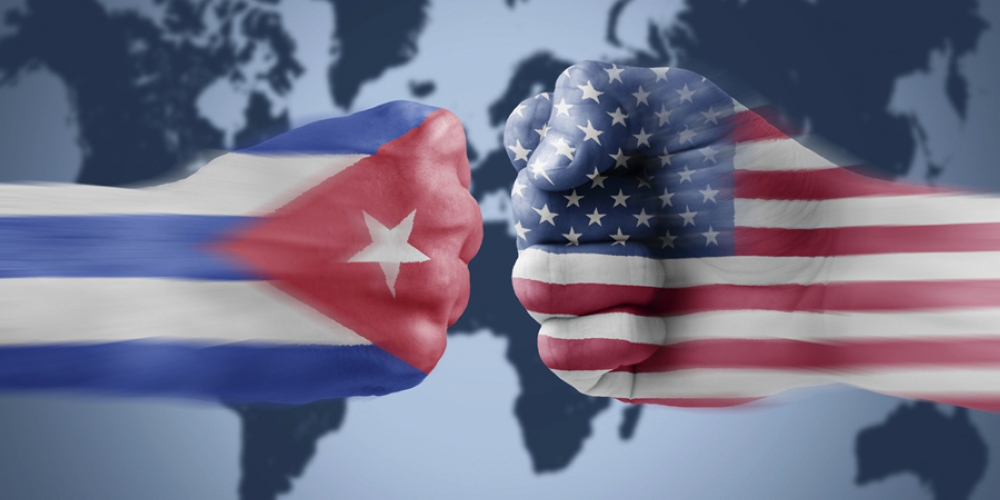
The roots of tension between Cuba and the United States stretch back decades, specifically to the Cuban Revolution of 1959. Washington imposed a comprehensive economic, trade, and financial embargo on Cuba in the early 1960s, an embargo that remains in place today and is the longest-running economic blockade in modern history. According to successive US administrations, these sanctions were intended to pressure the Cuban government to change its political system, but they have severely impacted the Cuban economy and the daily lives of its citizens.
The importance of Chinese support for Cuba
Under this crippling embargo, China has emerged as a strategic partner and vital economic ally for Cuba. Relations between Beijing and Havana are based on shared ideological foundations, as well as mutual economic interests. Today, China is one of Cuba's largest trading partners and a major source of investment and financing in vital sectors such as energy, infrastructure, and telecommunications. Chinese support is a lifeline for the Cuban economy, helping to mitigate the impact of US sanctions and providing an alternative to Western markets.
Geopolitical dimensions of the conflict
China’s position cannot be separated from the broader context of its strategic competition with the United States. By supporting Cuba, Beijing is sending a clear message to Washington that it will not stand idly by in the face of what it considers “unilateral hegemonic policies.” This stance also strengthens China’s influence in Latin America, a region the United States has traditionally considered its “backyard.” Strengthening alliances in this region gives China additional leverage in its global confrontation with Washington.
Expected effects on the international scene
Internationally, this Chinese stance reinforces the idea of a multipolar world, where rising powers like China challenge traditional American hegemony. This support is expected to lead to increased coordination between China and other countries that oppose US policies, such as Russia and Iran, potentially creating a united front against Western sanctions and pressure. For Cuba, Chinese support strengthens its resilience against pressure and diminishes the effectiveness of the US embargo as a tool for achieving political objectives.
A spokesperson for the Chinese Foreign Ministry stated, “China expresses its grave concern and opposition to the actions of the United States” toward Cuba, calling on Washington to “immediately lift the embargo and sanctions against Cuba and cease undermining regional peace and stability.” The spokesperson affirmed that “China will continue to provide Cuba with all possible support and assistance,” reflecting a long-standing commitment to its Caribbean ally.