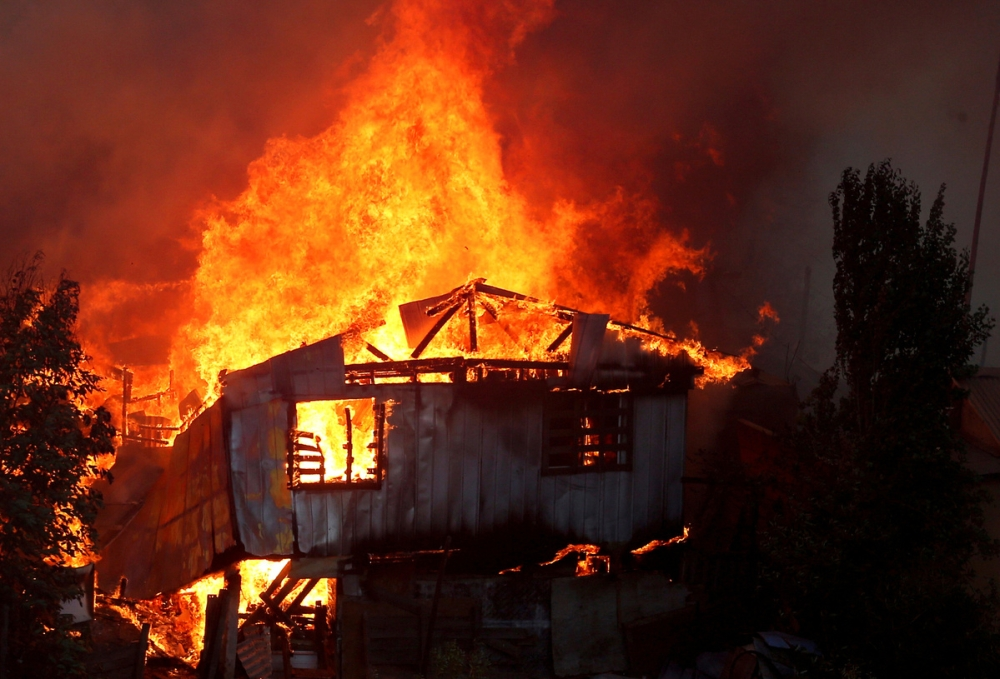
Chilean President Gabriel Burrique declared a state of natural disaster in two regions in the south of the country in response to violent forest fires that swept across large areas and caused the evacuation of nearly 20,000 people from their homes, in an escalating environmental and humanitarian crisis hitting the heart of Chile.
Fire and rescue teams mobilized
Emergency teams are racing against time to contain the fires, with forest rangers and firefighters currently working to extinguish 19 active blazes across Chile. The most dangerous of these fires, specifically 12 of them, are concentrated in the departments of Nuevo and Biobío, located approximately 500 kilometers south of the capital, Santiago. Field teams are facing significant challenges due to high winds and temperatures, which are complicating both aerial and ground firefighting efforts.
Widespread damage and a threat to residential areas
Although authorities have not yet released a final, official count of potential victims or the total number of damaged housing units, the scenes on the ground indicate significant material losses. Flames have reached populated areas, with local television broadcasting harrowing footage of the fire approaching the towns of Bonko and Lerkien in Biobío County, areas with a combined population of approximately 60,000. Images also showed charred vehicles in the streets, reflecting the rapid spread of the fire and the surprise with which it caught residents by surprise.
What does declaring a state of disaster mean?
President Burik's declaration of a state of natural disaster grants authorities additional powers to address the crisis. This constitutional measure allows the government to deploy military forces to assist in evacuations and maintain security, as well as expedite the allocation of financial and logistical resources necessary for firefighting and providing relief to those affected. This step is deemed essential given the widespread nature of the fires and their overwhelming impact on the capacity of local authorities in the affected areas.
climatic and environmental context
These fires are not isolated incidents, but rather part of a challenging climate situation in Chile. In recent years, forest fires have intensified across the country, particularly in the central and southern regions. Experts attribute the frequency and intensity of these disasters to the prolonged droughts plaguing the region, known as the "Great Drought," which has persisted for over a decade, as well as the effects of climate change, which have led to rising temperatures and decreasing humidity, making forests highly flammable at the slightest spark.
Economic and social impacts
The affected areas in southern Chile are important centers for agriculture and forestry, meaning these fires have direct economic repercussions on the livelihoods of local residents and the national economy. The destruction of forests and crops, along with infrastructure and homes, presents the government with significant post-fire challenges, requiring comprehensive reconstruction plans and support for those affected to ensure the swift recovery of the devastated communities.