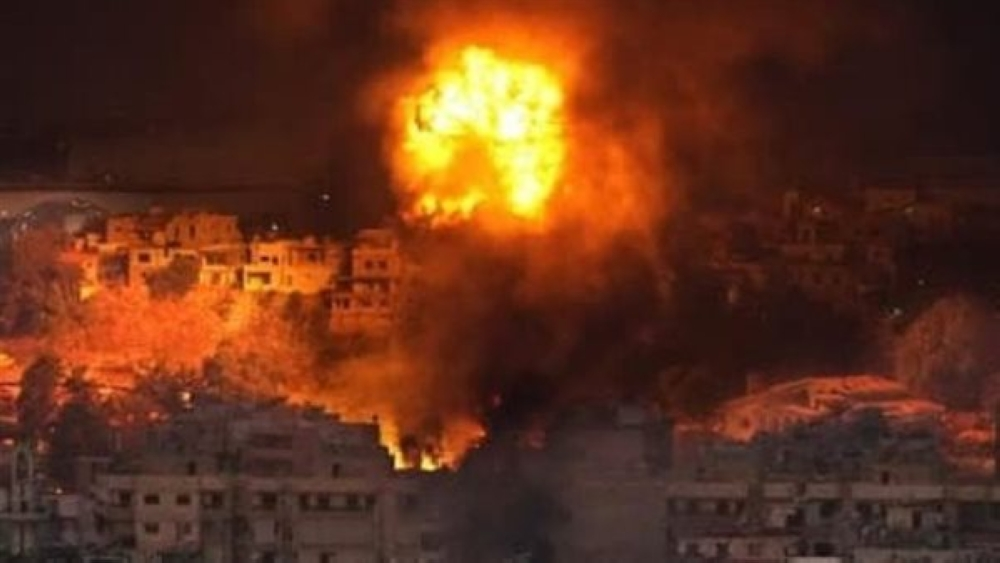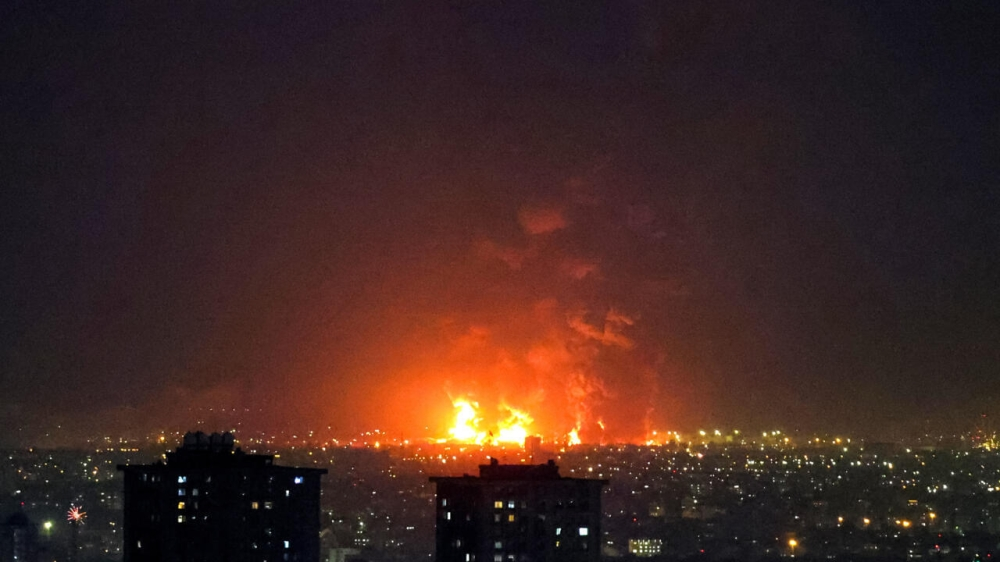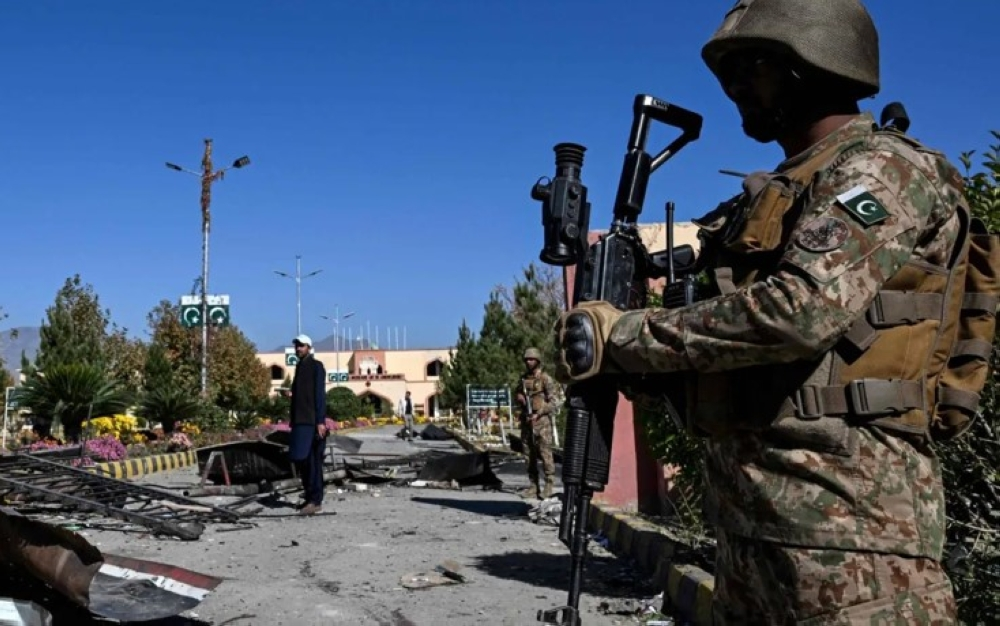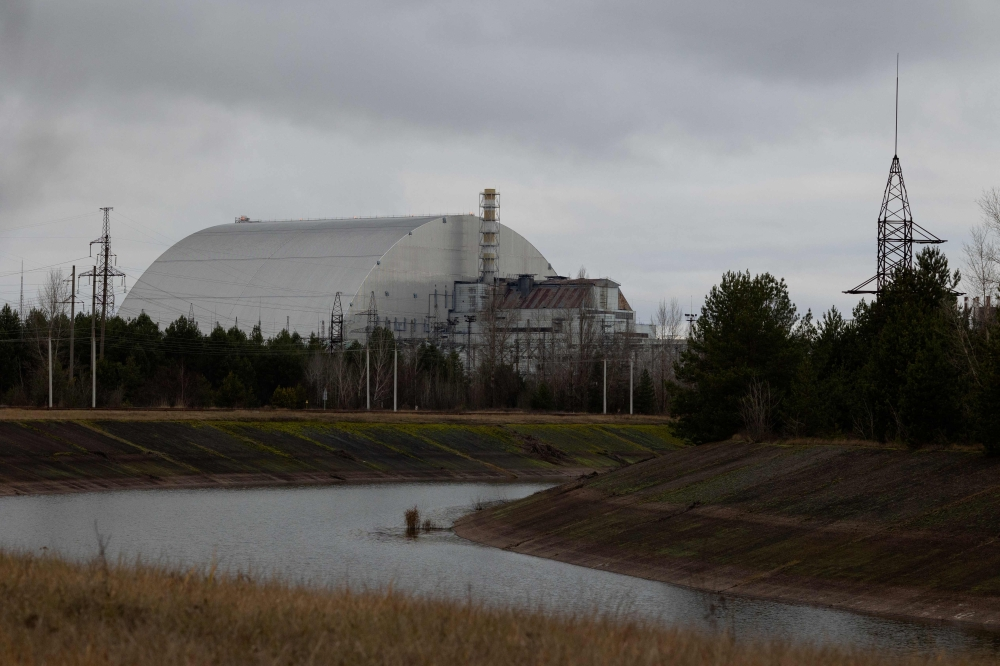
The International Atomic Energy Agency (IAEA) announced in an urgent statement via its X platform that all external power supplies to the Chernobyl nuclear power plant in Ukraine were cut off on Tuesday morning. The agency attributed this serious outage to the intensified military operations in the region, raising renewed international concerns about nuclear safety amid the ongoing conflict.
Details of the outage and Grossi's warnings
The Director General of the International Atomic Energy Agency (IAEA), Rafael Grossi, explained that the plant had lost all power supply from the national grid, noting that power lines leading to other nuclear power plants had also been affected by the escalation. Grossi confirmed that the IAEA was closely monitoring the situation to assess the direct impact on nuclear safety and security protocols at the site.
Electricity is considered the lifeblood of nuclear facilities, even those that are shut down, as the cooling systems for spent nuclear fuel pools rely on electricity to ensure that temperatures do not rise, which could lead to radioactive emissions if cooling is stopped for long periods.
Strategic importance and potential risks
The danger of this event lies in the sensitive nature of the Chernobyl plant, which houses decommissioned reactors and vast quantities of nuclear waste requiring constant monitoring and cooling. In the event of an external power outage, the plant typically relies on backup diesel generators to power critical systems. However, relying on generators is a temporary and risky solution under wartime conditions, as it requires a continuous fuel supply and regular maintenance that can be disrupted by military operations.
Historical background: The legacy of the 1986 disaster
This event brings back memories of the worst nuclear disaster in history at the plant in 1986, when reactor number 4 exploded, releasing a radioactive cloud that blanketed large parts of Europe. Since then, the area surrounding the plant, known as the "exclusion zone," has been subject to strict containment measures. A massive concrete and steel enclosure (the new coffin) was erected over the damaged reactor in 2016 to prevent further radiation leaks, but the site still requires careful and complex management.
The impact of the Russian-Ukrainian conflict on nuclear security
Since the start of Russian military operations in Ukraine in February 2022, Ukrainian nuclear facilities have become flashpoints. Ukraine’s energy infrastructure has been repeatedly attacked, frequently destabilizing the power grid that supplies nuclear power plants. This situation is of concern to the international community, as any serious failure of safety systems at Chernobyl or other plants like Zaporizhzhia could have transboundary environmental and health consequences, not only for Ukraine and Russia but also for neighboring European countries.